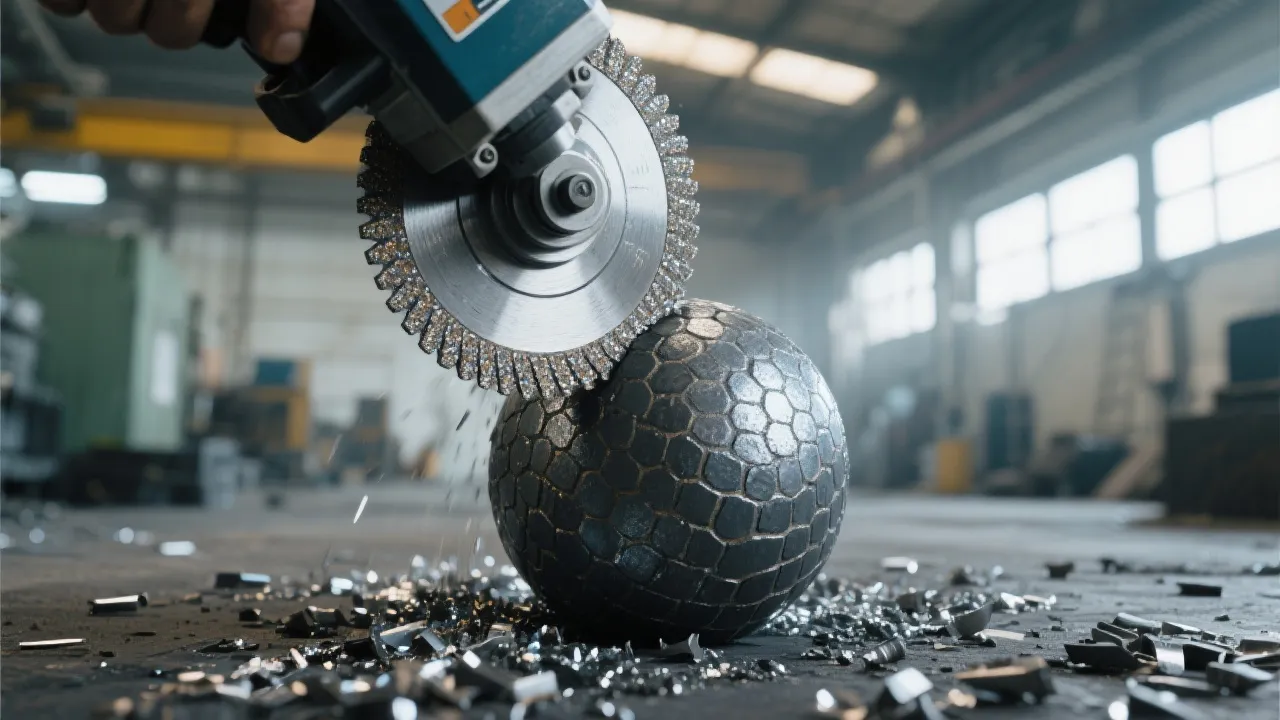
The manufacturing of high-end ceramic parts with complex curved surfaces often confronts significant challenges, notably limited tooling lifespans and suboptimal machining efficiency. UHD’s breakthrough in vacuum brazed diamond grinding plates offers a technologically advanced solution tailored to these complex demands, addressing longstanding pain points in the ceramic grinding industry. This article explores the technical underpinnings and practical applications of UHD’s brazed diamond grinding plates, emphasizing their integration with multi-axis CNC systems to optimize grinding performance.
Traditional grinding methods for ceramic materials, especially those involving complex 3D geometries, suffer from rapid tool degradation and restricted adaptability. Typically, abrasive tools experience premature wear due to ceramic’s intrinsic hardness and brittleness, resulting in increased downtime and higher production costs. Moreover, traditional grinding wheels often lack the capacity for precise curvature matching, limiting attainable surface quality and dimensional accuracy.
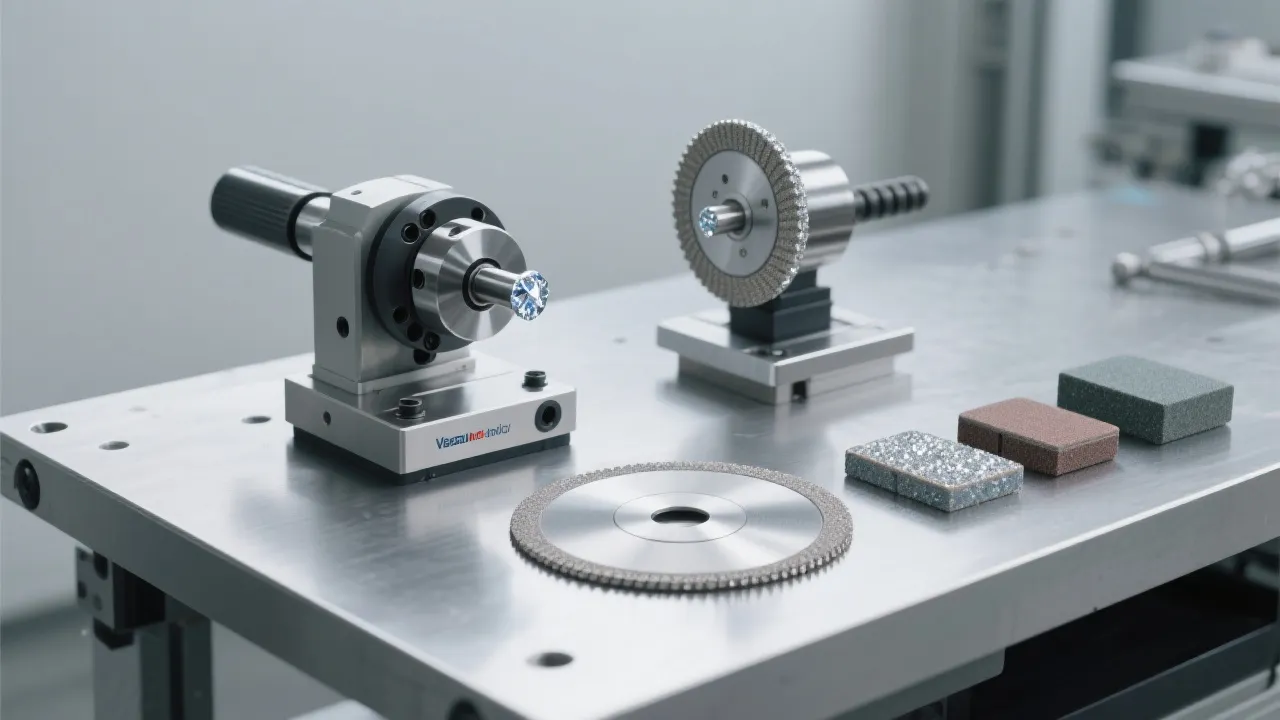
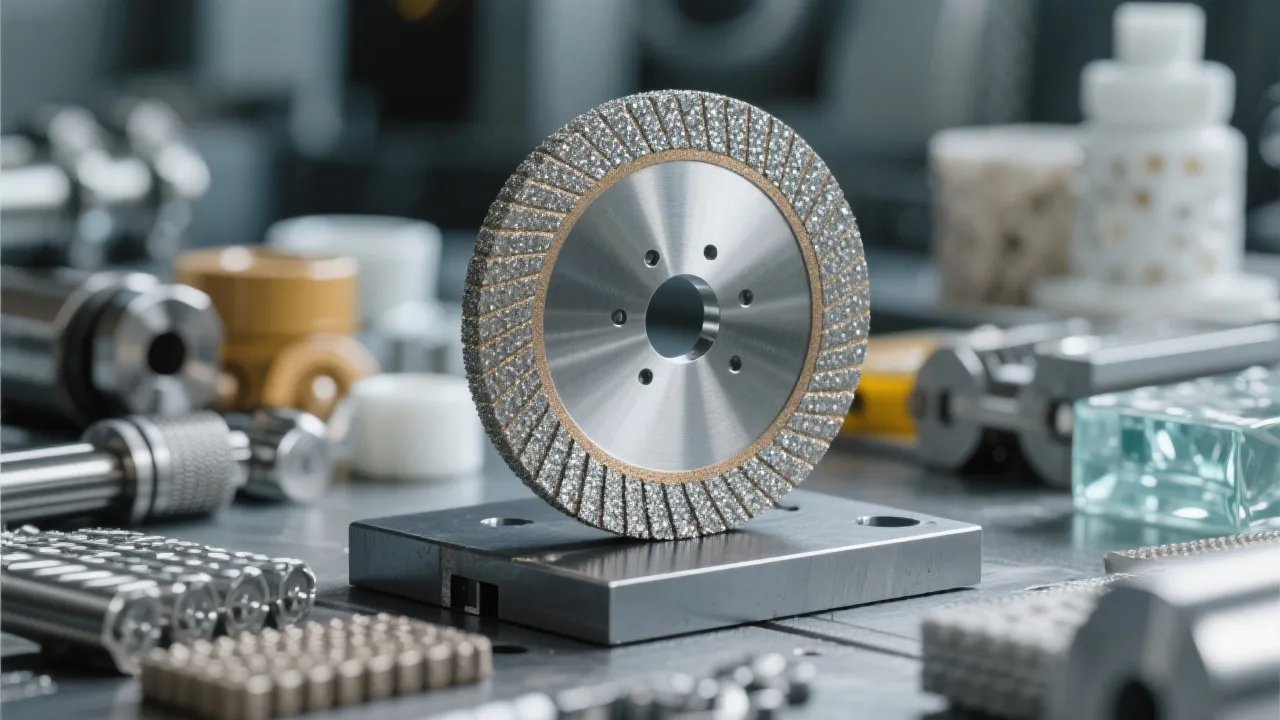
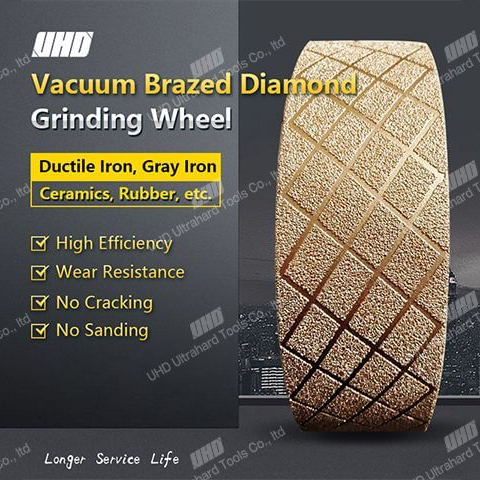
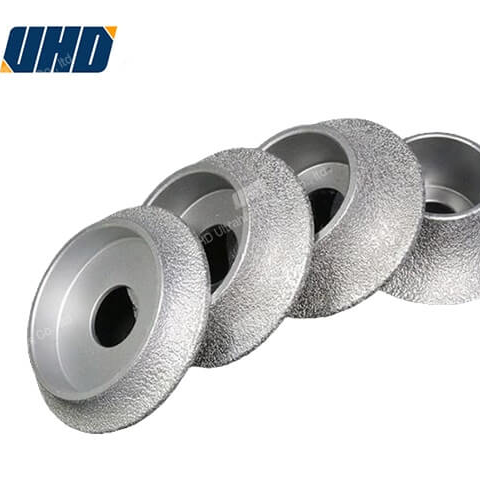
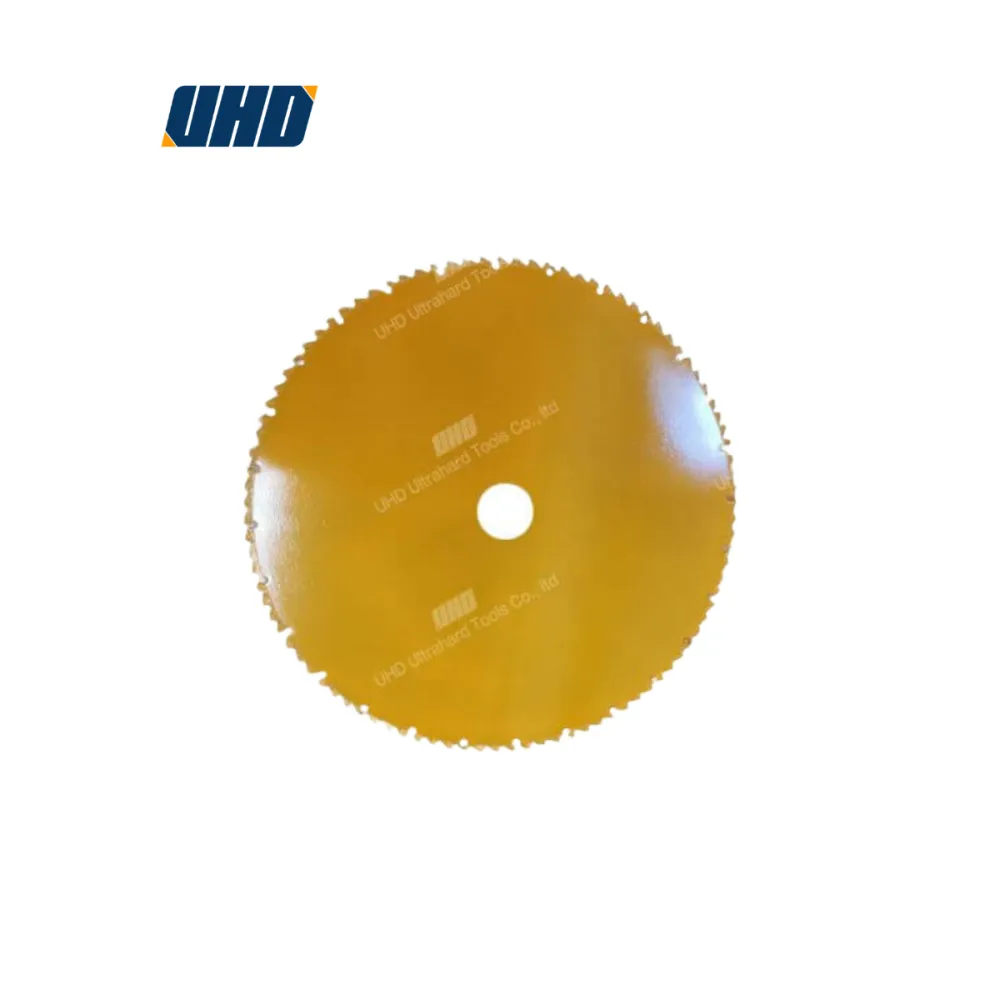
UHD's brazed diamond grinding plates utilize an advanced vacuum brazing process to achieve an ultra-strong metallurgical bond between industrial-grade diamond abrasives and a robust substrate. This ensures exceptional tool longevity and reliable performance under the demanding conditions of ceramic grinding. Unlike electroplated or resin-bonded abrasive tools, vacuum brazing guarantees superior diamond retention through an optimized microstructure and full surface contact.
Key technical benefits include:
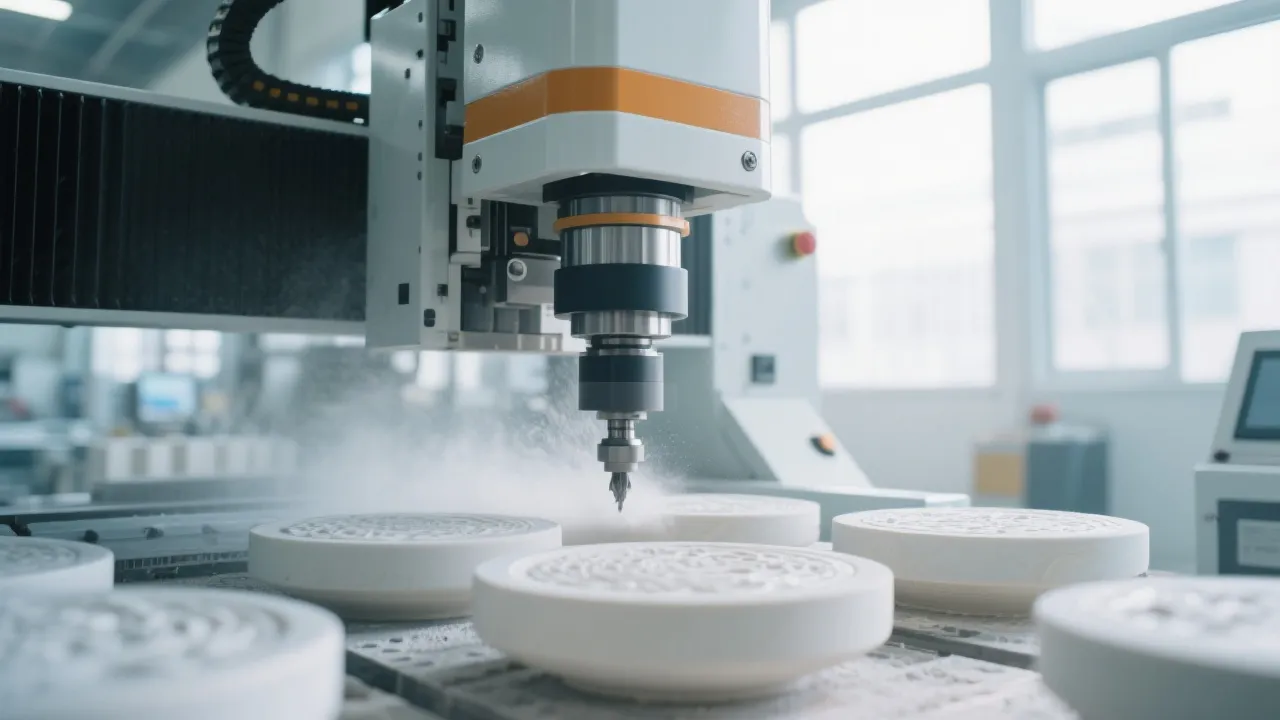
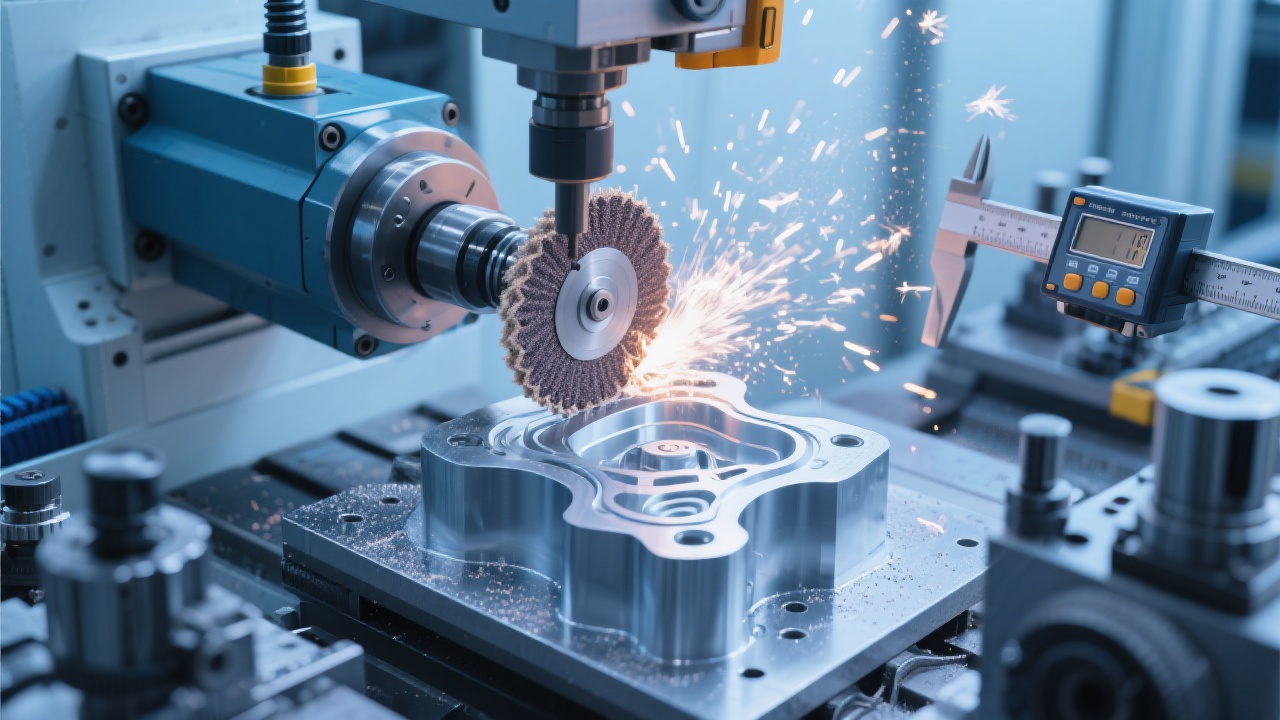
The increasing use of multi-axis CNC systems has revolutionized ceramic component manufacturing by enabling intricate toolpaths and enhanced precision. UHD’s grinding plates are meticulously engineered with tailored arc radii and surface topographies to complement complex CNC trajectories. Incorporating such customization enhances contact consistency and balances cutting forces, leading to better surface finishes and dimensional stability.
Through experimental trials, UHD identified optimal machining parameters for diverse ceramic grades:
| Ceramic Type | Recommended Spindle Speed (RPM) | Feed Pressure (N) | Dressing Frequency (hours) |
|---|---|---|---|
| Alumina (Al₂O₃) | 6,500 - 7,500 | 120 - 150 | 4 |
| Zirconia (ZrO₂) | 7,000 - 8,000 | 140 - 170 | 3.5 |
| Silicon Carbide (SiC) | 5,500 - 6,000 | 160 - 190 | 5 |
In a recent project involving the fabrication of precision-shaped zirconia components, UHD’s brazed diamond grinding plates delivered a 35% increase in tool life compared to traditional electroplated wheels. The multi-axis CNC setup executed complex contoured paths with superior surface finishes measured at Ra ≤ 0.2 μm, exceeding industry benchmarks. This translated into substantial cost savings through reduced tool changeovers and improved throughput.
To fully leverage UHD’s brazed diamond grinding technology:
These practices enable manufacturers to secure high-precision finishes while minimizing operational downtime and tooling expenses.
UHD’s commitment to innovation in complex curved surface ceramic grinding addresses a critical juncture in modern industry requirements — delivering tools that offer unmatched durability and precision. The synergy of vacuum brazing technology with customizable designs aligns perfectly with the continuous evolution of ceramic materials and increasingly sophisticated CNC machinery.
.png?x-oss-process=image/resize,h_1000,m_lfit/format,webp)