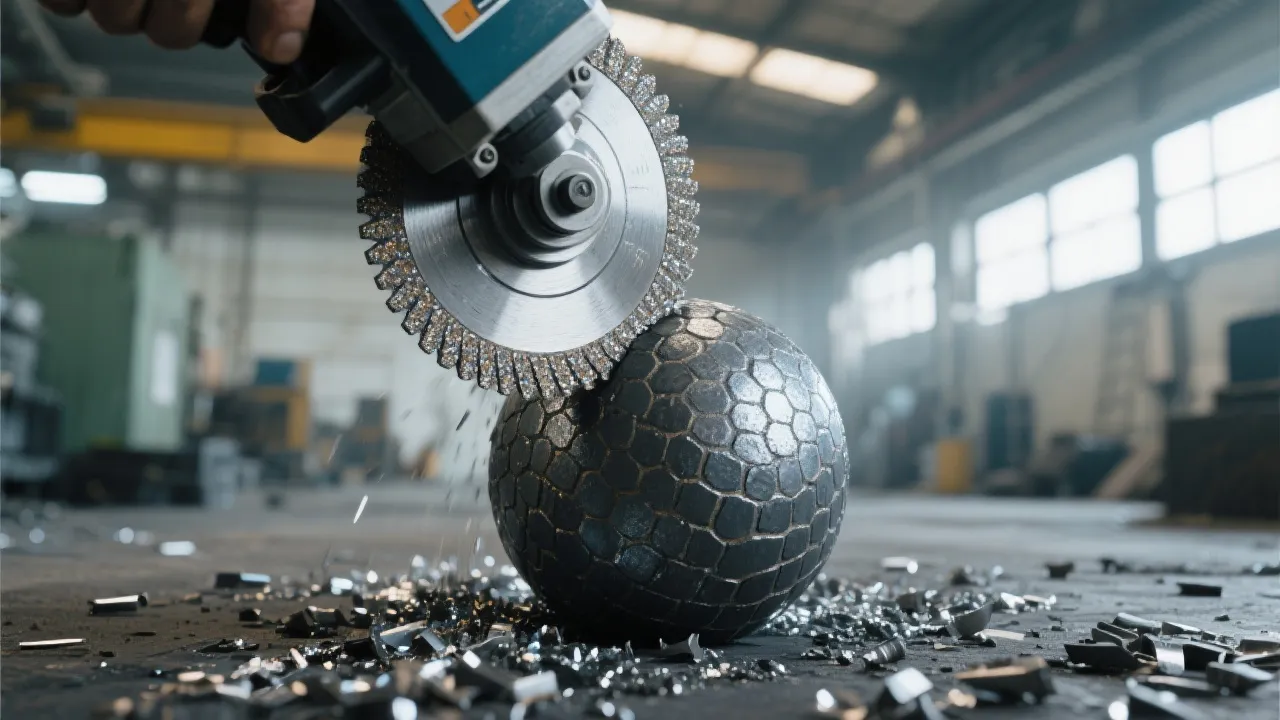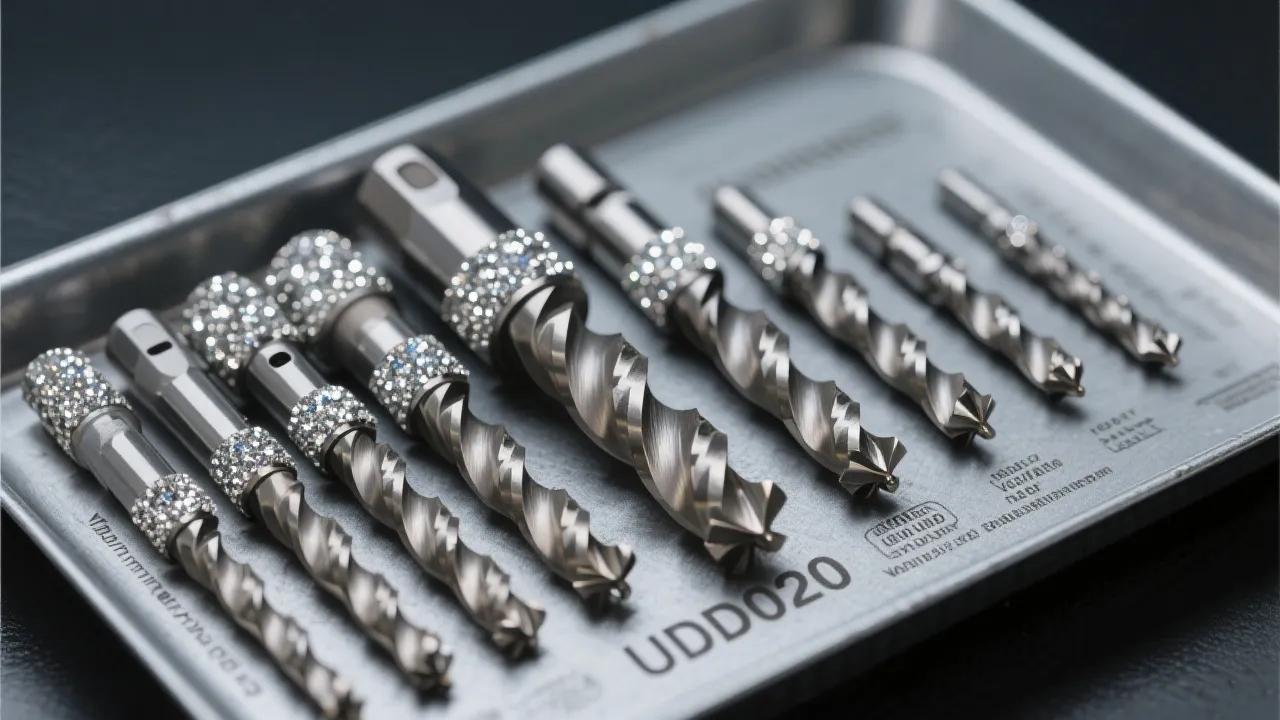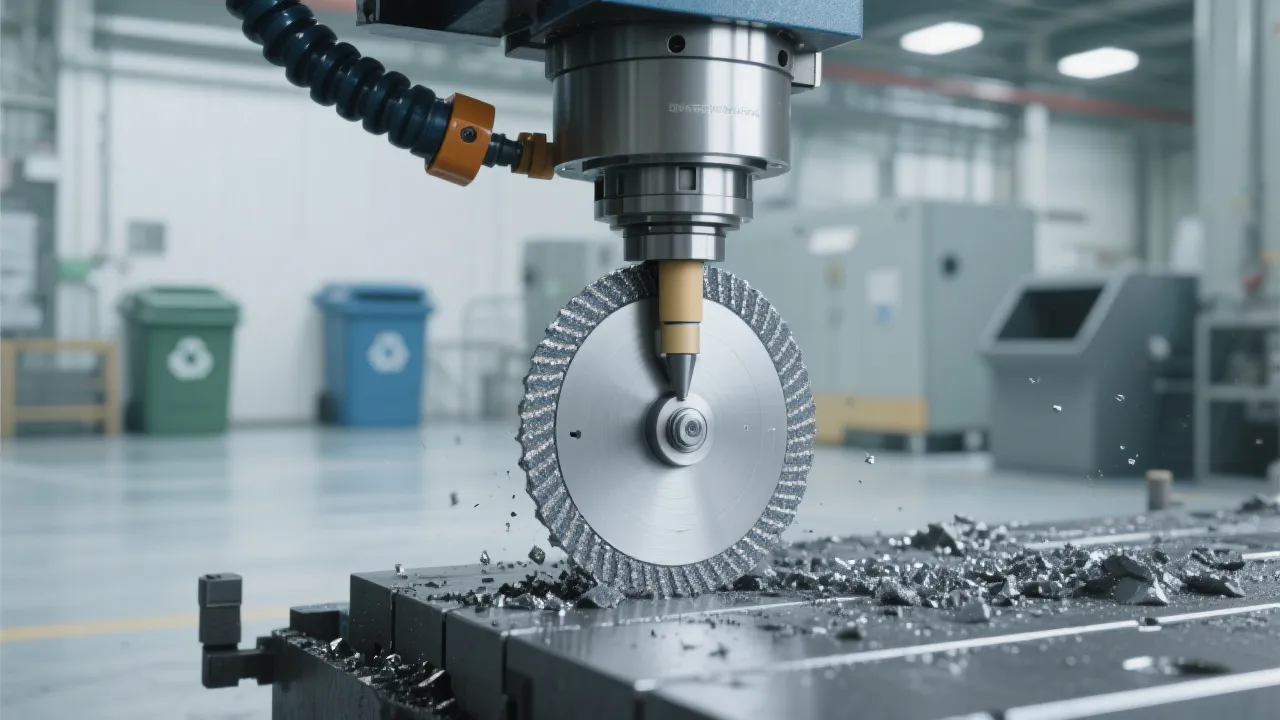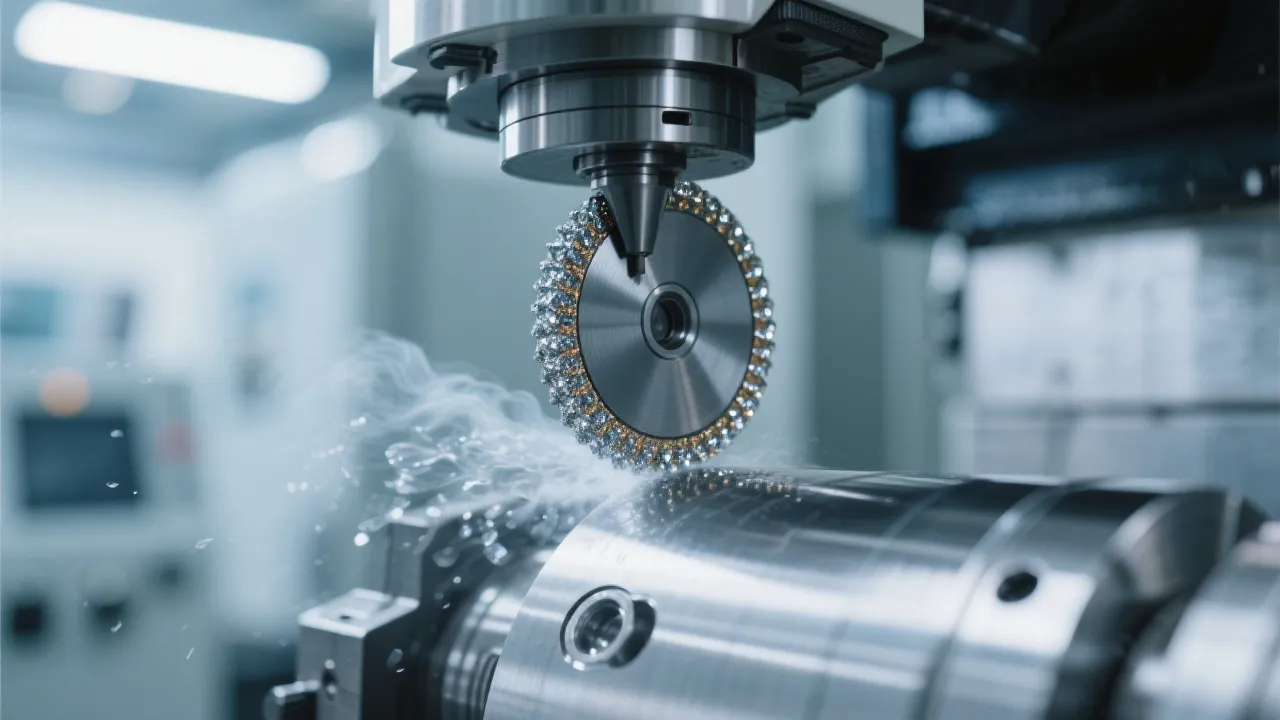
In the demanding world of metal processing, cutting tool durability and precision are paramount. Traditional diamond cutting blades often face premature failure modes such as edge chipping, overheating, and short service life. UHD brazing, a cutting-edge ultra-high density joining method, emerges as a game-changing technology that redefines these performance limits by leveraging advanced material science principles.
Conventional diamond blades, typically assembled using silver or copper brazing, encounter several inherent limitations. These include suboptimal bond strength between diamond grit and substrate, poor heat dissipation leading to thermal degradation, and rapid wear affecting accuracy and operational costs. For example, in processing hard-to-machine materials like stainless steel and aluminum alloys, these traditional methods often result in an average tool life reduction exceeding 25% compared to optimized alternatives.
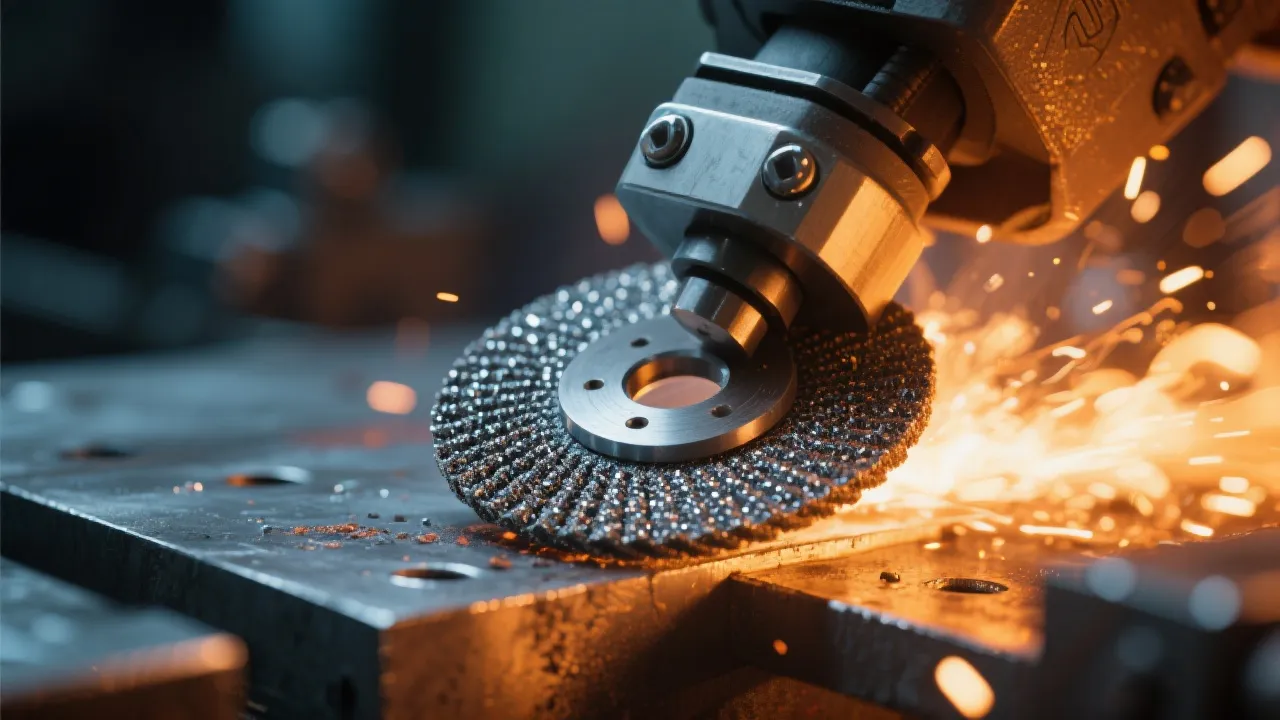
UHD brazing improves the interface bonding by enhancing atomic diffusion and wettability at the joint boundary. This process operates at ultra-high density, creating a metallurgical bond that integrates diamond particles with the blade substrate more effectively. The improved interface microstructure minimizes voids and reinforces mechanical interlocking, ultimately increasing bond strength by an estimated 35% compared to silver brazing.
This enhanced wetting behavior also provides superior thermal conductivity pathways, which significantly boost heat dispersion during high-speed cutting. Consequently, the thermal stability of UHD brazed blades is improved, reducing the incidence of blade overheating and related failures by up to 40%.
| Performance Metric | Silver Brazing | UHD Brazing | Improvement |
|---|---|---|---|
| Bond Strength (MPa) | 35 | 47 | +34% |
| Thermal Stability (Heat Resistance °C) | 550 | 770 | +40% |
| Wear Resistance (Cutting Distance before replacement) | 1500 m | 2250 m | +50% |
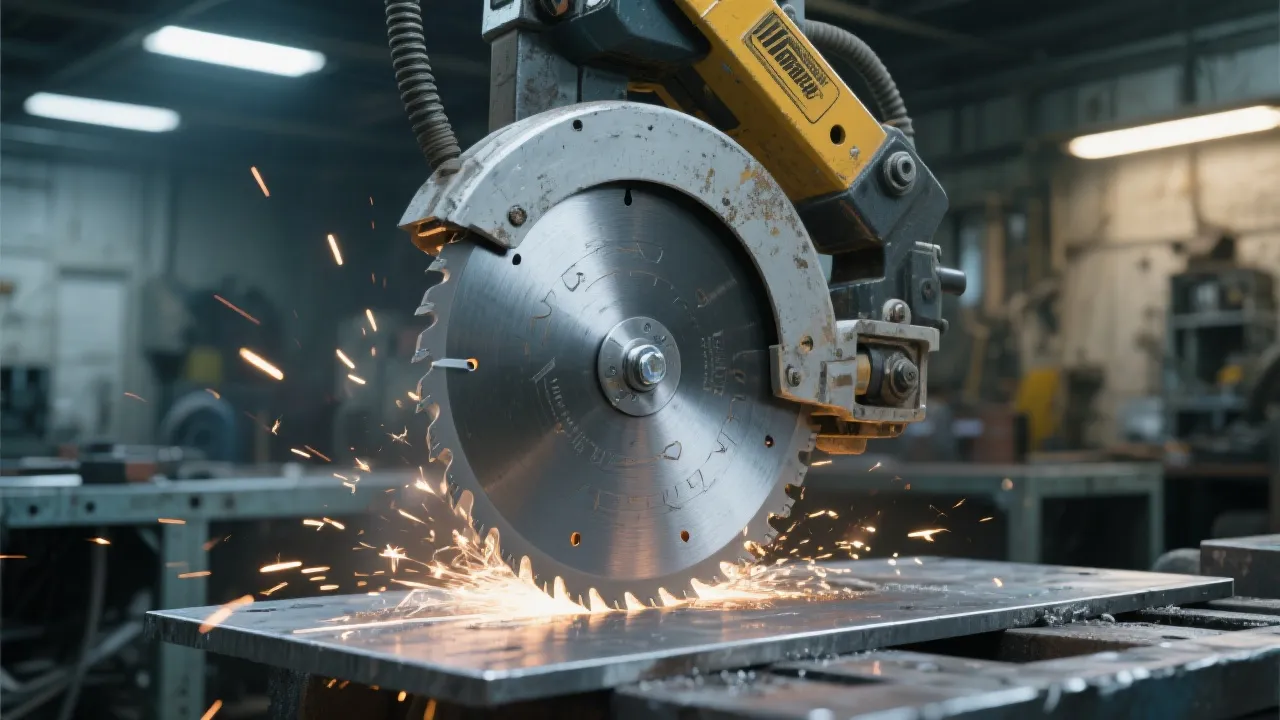
In real-world scenarios, UHD brazed diamond blades demonstrate remarkable improvements. For stainless steel cutting, operators reported a 30% increase in blade lifespan alongside reduced thermal damage and edge chipping. Meanwhile, aluminum alloy processing—traditionally challenging due to high ductility and heat sensitivity—showcased enhanced cutting precision and reduced burr formation with UHD brazing.
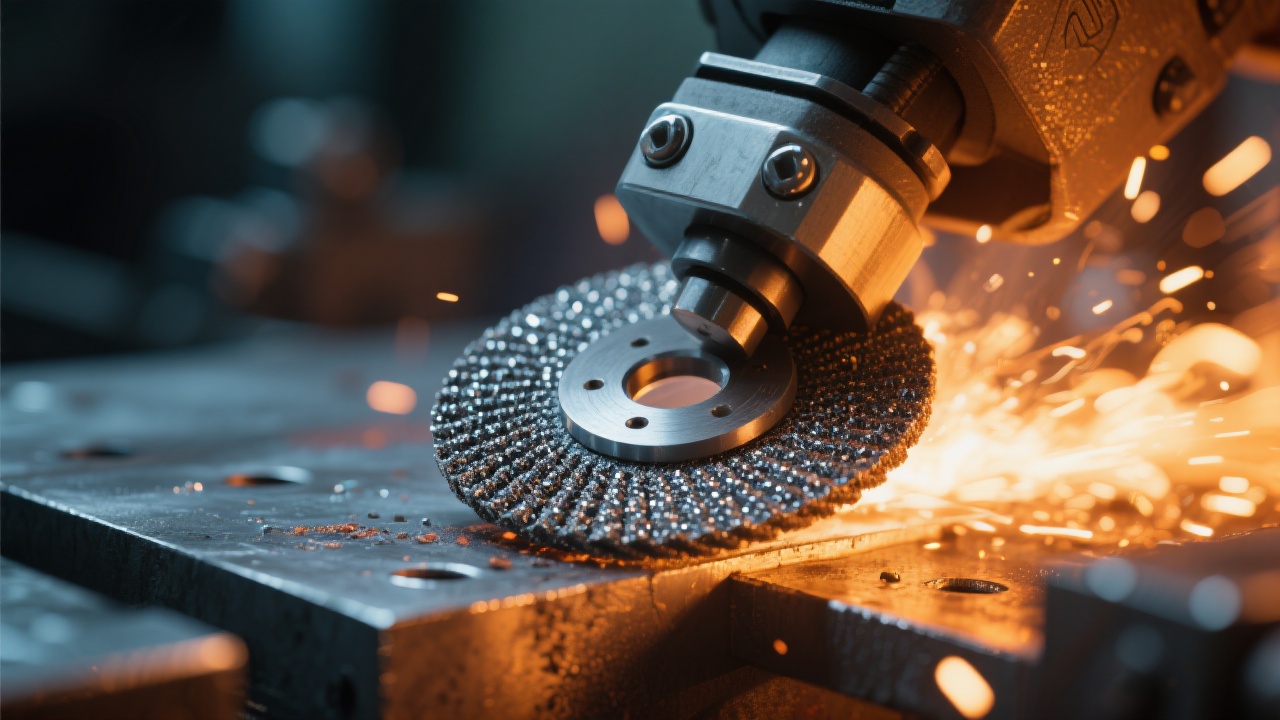
To unlock UHD brazing’s full potential, precise control of equipment and process parameters is essential. Experts recommend:
Adjustments based on the target metal’s properties, especially for high-strength stainless steels and aluminum alloys, allow manufacturers to tailor blade performance for specific application needs.
Beyond technical superiority, UHD brazing contributes to significant operational benefits. Manufacturers adopting this technology report up to 25% reduction in tooling costs via extended blade life and 15% increase in production yield due to consistent cutting precision. These gains cumulatively enhance competitiveness and sustainability by minimizing downtime and material waste.
“Implementing UHD brazing transformed our cutting operations—blade durability improved drastically, and we now achieve consistent high-quality finishes even on challenging stainless steel components.”
- Lead Process Engineer, Industrial Manufacturing Firm
Master UHD Brazing Technology & Boost Your Tool Life by Over 30%
UHD brazing creates a denser metallurgical bond that enhances mechanical interlocking and heat dissipation, significantly reducing abrasive wear and thermal damage during cutting.
While UHD brazing is broadly applicable, it is particularly beneficial for high-performance blades cutting difficult materials such as stainless steel and aluminum alloys where standard brazing limits tool life.
Key adjustments include precise temperature control (950–1050°C), inert atmosphere maintenance, and optimized cooling rates to preserve diamond integrity and ensure strong bonding.


.png?x-oss-process=image/resize,h_1000,m_lfit/format,webp)