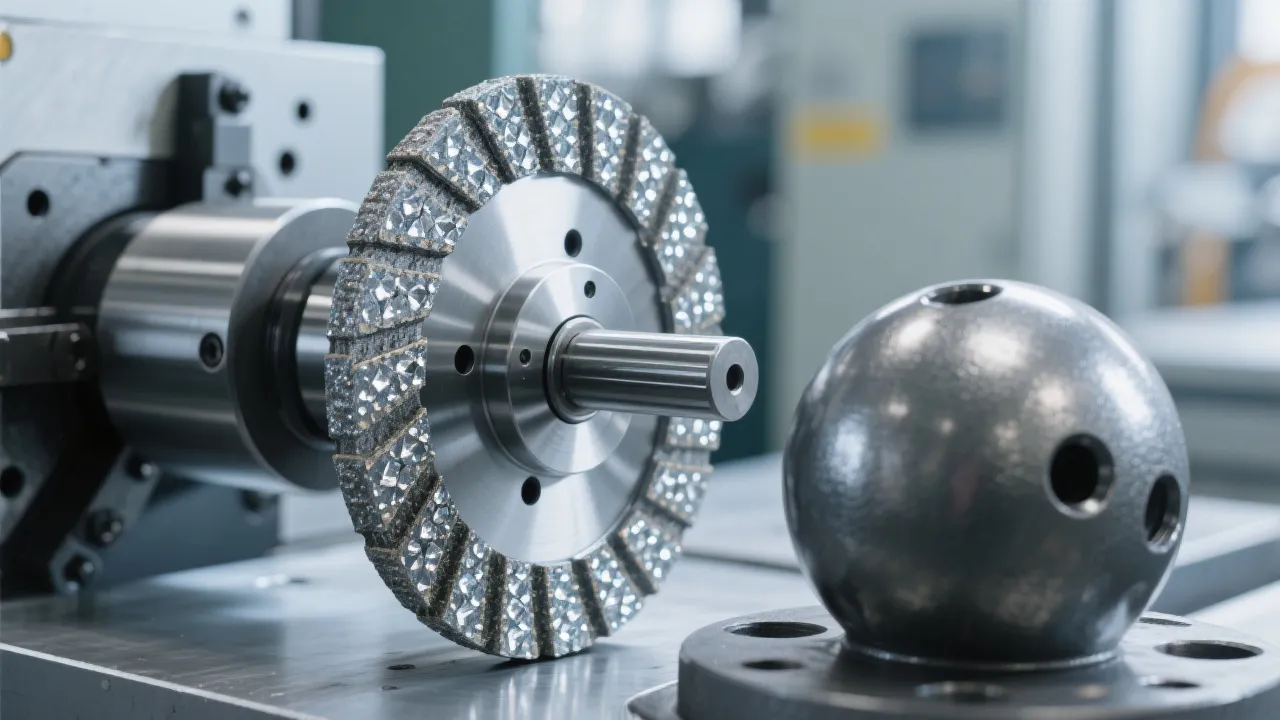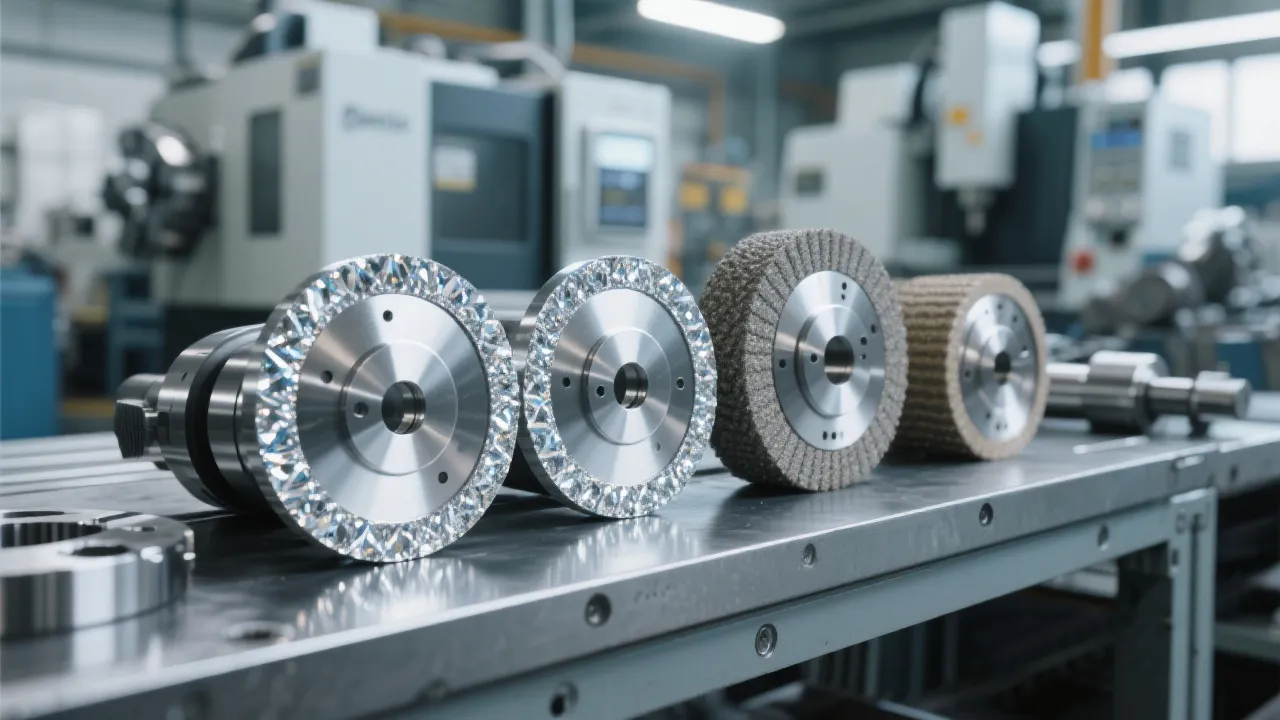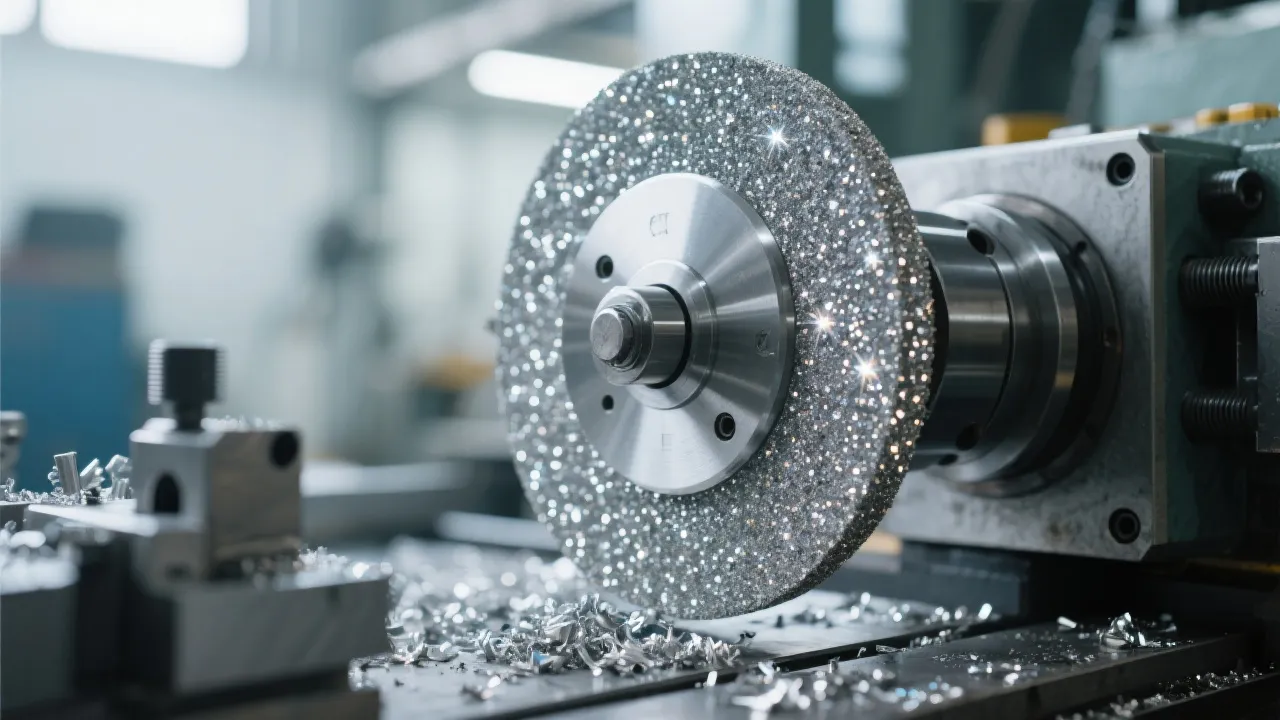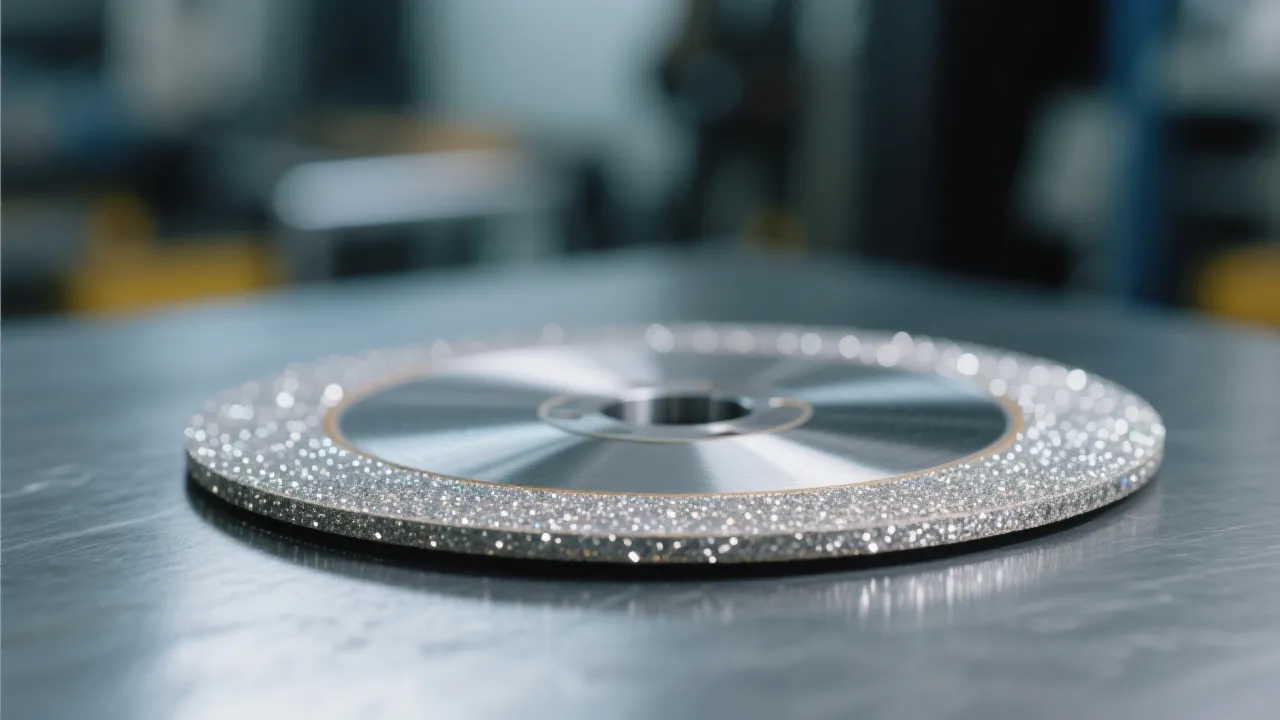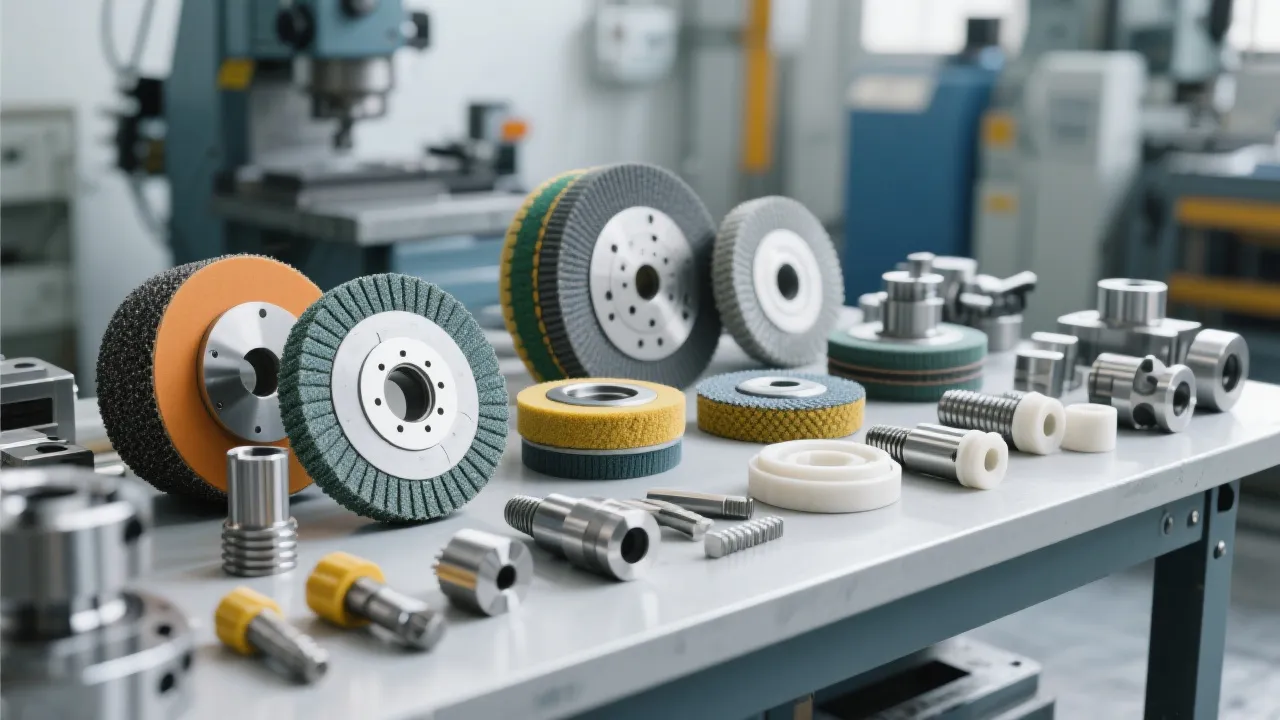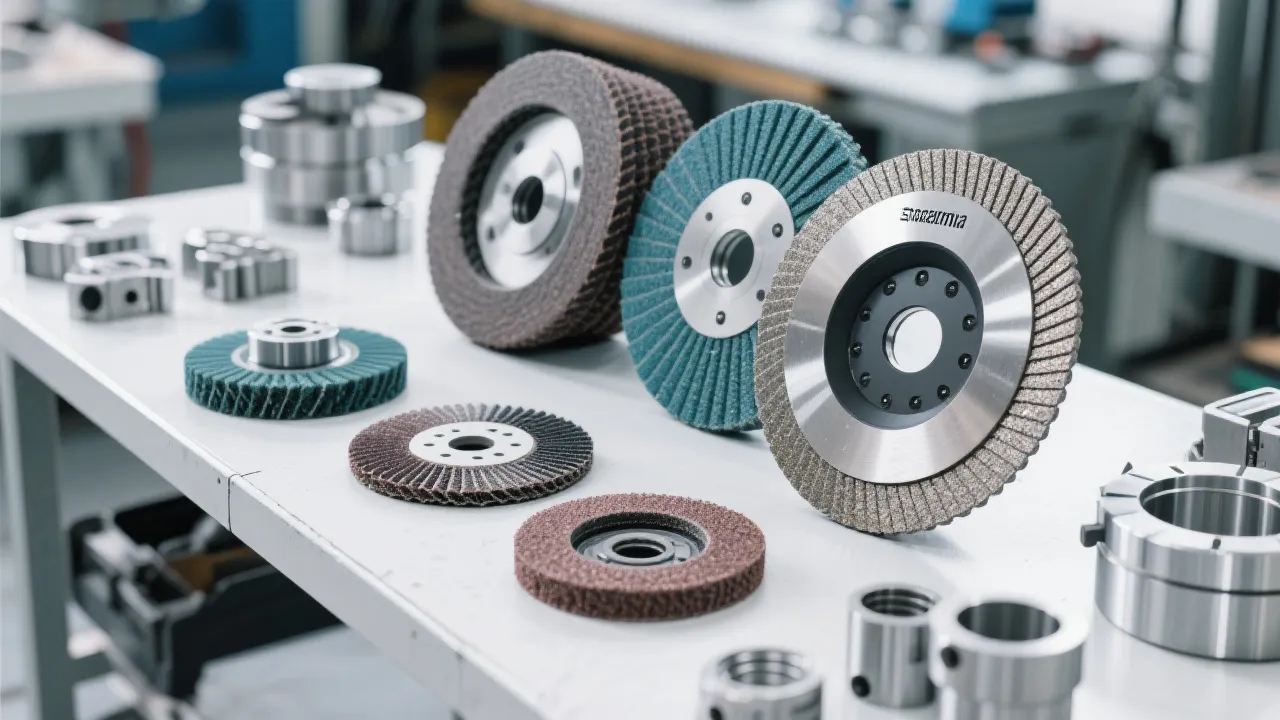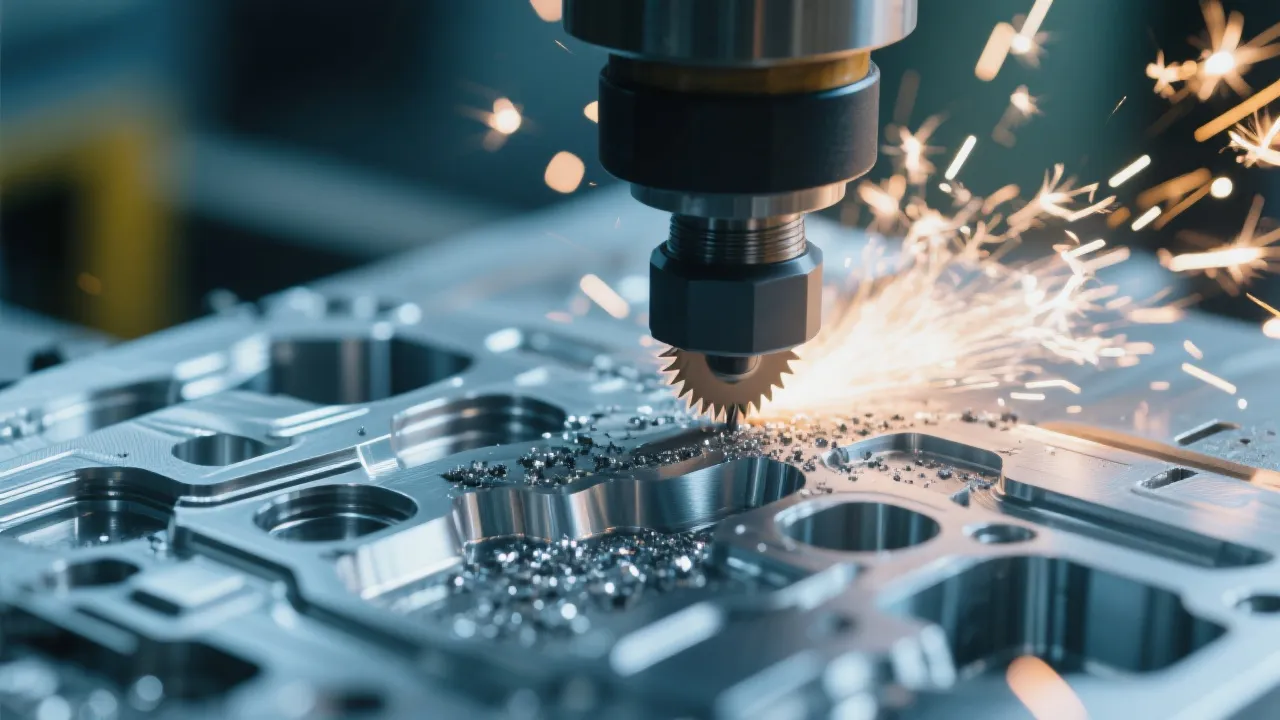
In the realm of stainless steel precision grinding, achieving optimal surface quality and extending tool life remain critical challenges for manufacturers working with difficult-to-machine materials. The use of brazed diamond grinding wheels is widespread due to their superior hardness and grinding ability. However, these tools undergo complex wear phenomena under the extreme conditions of high temperature and pressure, often resulting in premature failure if not properly managed. UHD’s exploration into the diamond tool wear mechanisms reveals key insights to identify early failure signals and implement strategies to significantly prolong tool life.
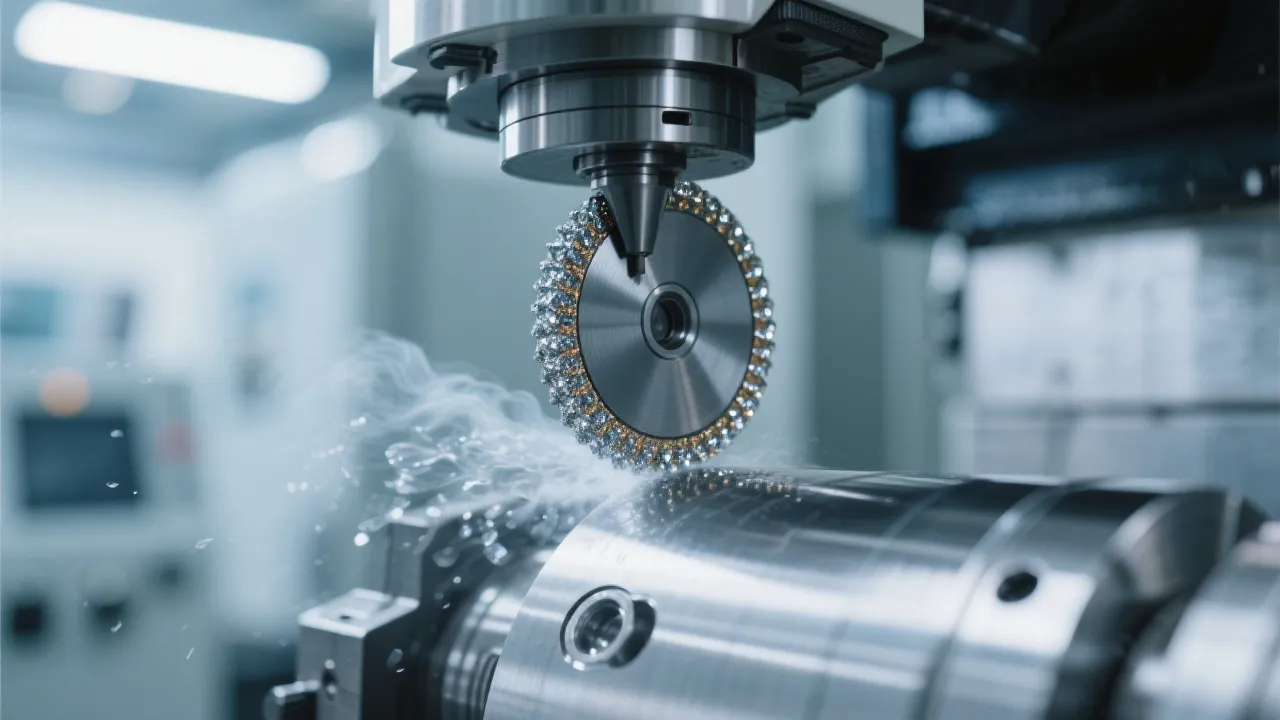
During precision grinding of stainless steel, diamond abrasive grains on the wheel surface experience intense mechanical and thermal stresses. Predominant wear modes include:
These wear patterns can be identified early by monitoring surface roughness variations, grinding force fluctuations, and acoustic emission signals. For example, a 15% increase in grinding force over successive cycles often correlates with imminent grain pull-out.
Extensive case studies conducted across multiple stainless steel fabrication lines indicate that fine-tuning grinding parameters can dramatically improve wheel lifespan. Optimal ranges include:
| Parameter | Recommended Range | Impact on Tool Life |
|---|---|---|
| Feed Speed | 0.005 - 0.015 mm/rev | Reduces mechanical stress |
| Depth of Cut | 0.01 - 0.03 mm | Minimizes heat buildup |
| Cooling Method | High-pressure flood coolant with oil-based lubricant | Effectively dissipates heat and reduces thermal cracks |
Selecting advanced cooling liquids with high thermal conductivity and lubricity minimizes thermal gradients on the tool surface, reducing microcrack formation. Additionally, controlled feed speeds and conservative depth of cut prevent excessive mechanical stress that accelerates diamond grain detachment.
The success of extending tool utilization heavily depends on timely detection of subtle wear signs. UHD’s integrated monitoring approach combines vibration sensors, grinding force transducers, and periodic surface inspections to pinpoint:
Once detected, corrective steps such as wheel dressing, parameter adjustment, or temporary downtime for cooling cycles can be implemented, thereby preventing catastrophic failure and production interruptions.

An automotive parts manufacturer reported a 35% increase in brazed diamond wheel life after adopting UHD’s recommended grinding parameter adjustments and switching to an advanced oil-based coolant system. Additionally, the surface quality variance decreased by 20%, directly impacting component reliability and reducing secondary finishing processes.
Another precision tooling workshop incorporated real-time monitoring systems that flagged the onset of bonding layer delamination, enabling maintenance teams to perform on-time wheel dressing, preventing abrupt downtime and reducing abrasive tooling costs by 18% annually.
UHD’s specialized knowledge in stainless steel precision grinding and brazed diamond grinding wheel wear mechanisms empowers engineers and maintenance professionals to: