Diamond Tool Wear Mechanisms and Life Extension Techniques in Stainless Steel Precision Grinding
29 03,2026
Application Tips
In stainless steel precision grinding, the short lifespan and poor surface quality of diamond tools are common challenges. This article provides an in-depth analysis of the microscopic wear mechanisms of brazed diamond grinding wheels under high temperature and pressure, including diamond particle detachment, bonding layer failure, and thermal stress crack formation. Practical cases illustrate how optimizing feed rate, cutting depth, and cooling methods can extend tool life by over 30%. Additionally, early wear signal identification methods such as abnormal vibration and abrupt roughness changes are introduced to assist engineers in proactive maintenance, enhancing process stability and production efficiency from principle to practice.
Understanding Diamond Tool Wear Mechanisms in Stainless Steel Precision Grinding
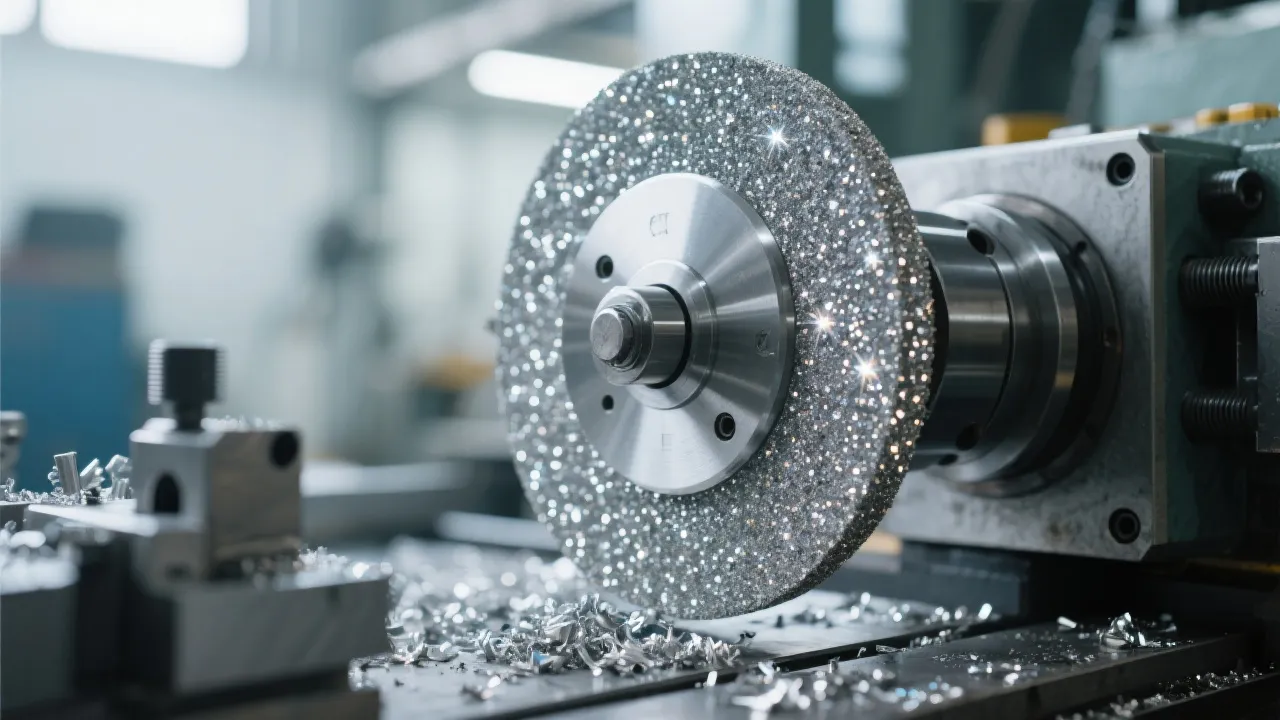
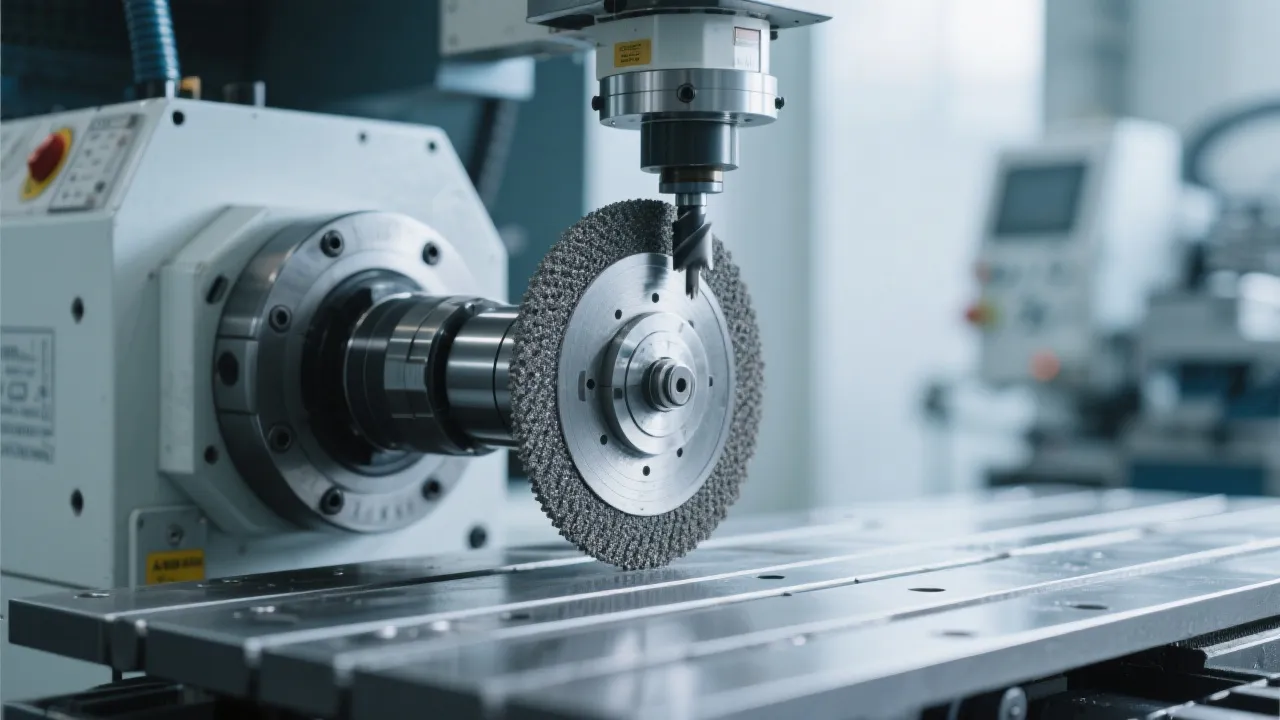
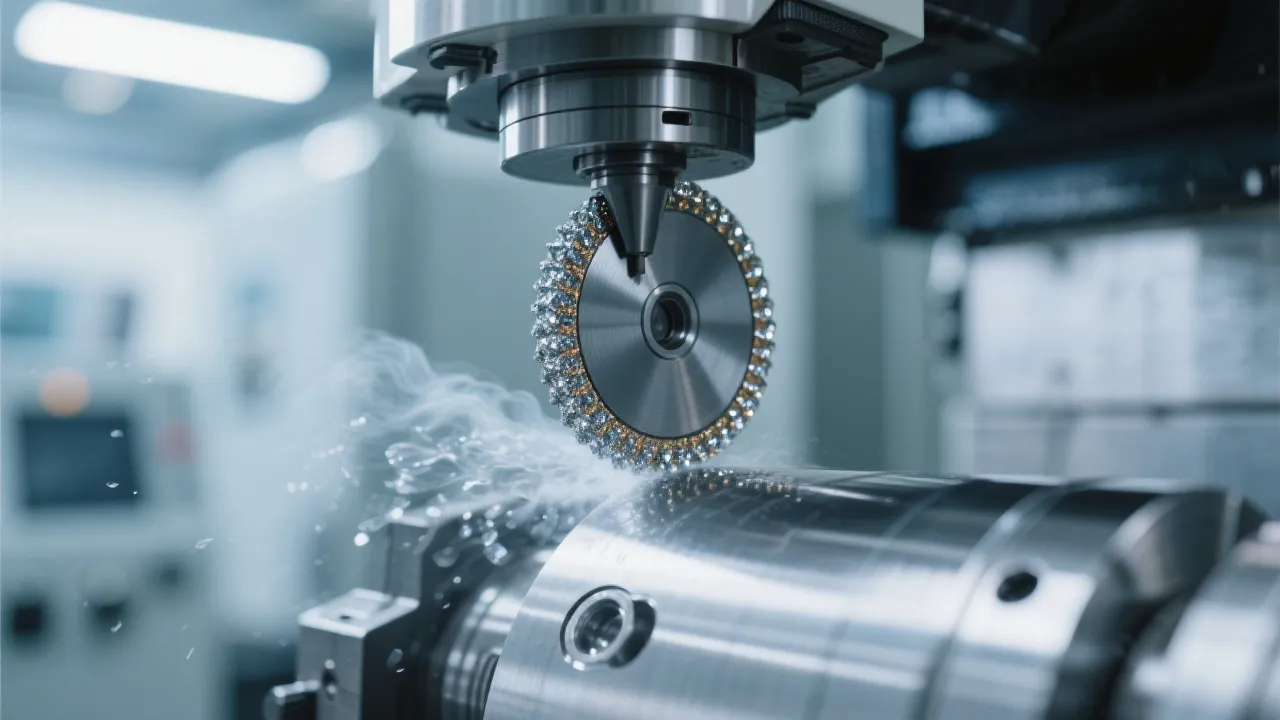
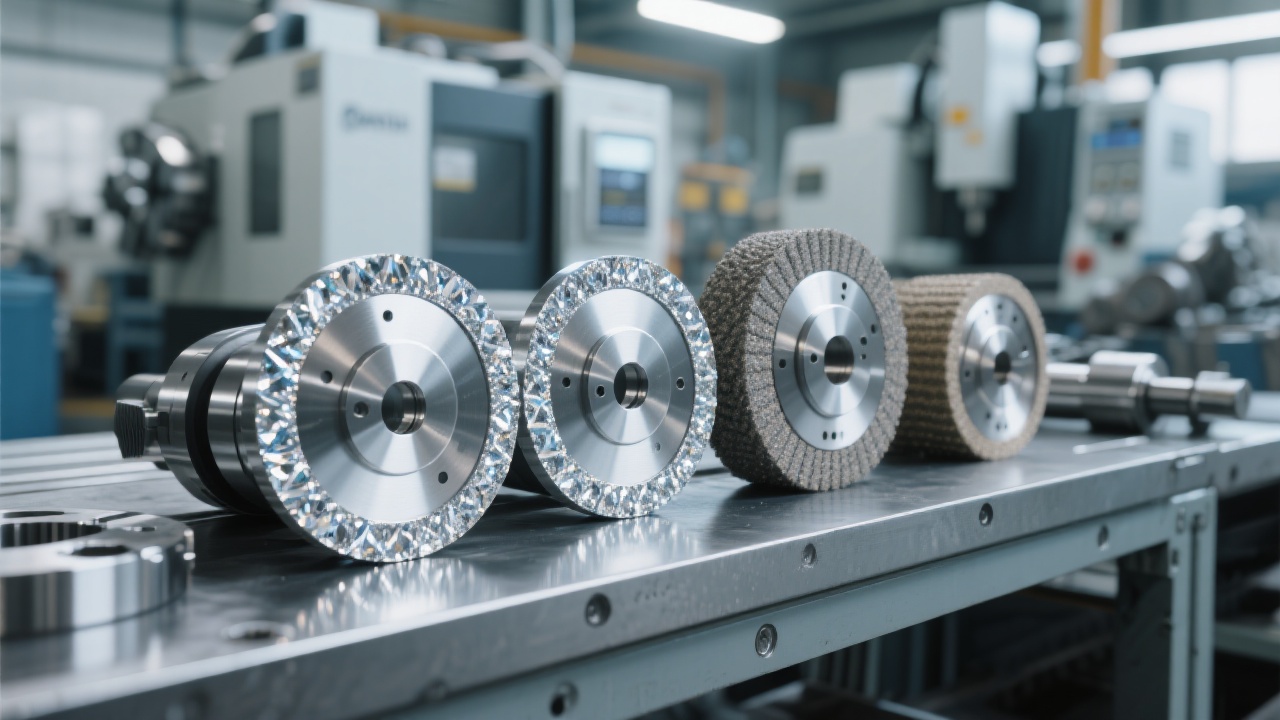
In the demanding field of stainless steel precision grinding, the durability and performance of diamond tools directly impact product quality and operational efficiency. UHD’s advanced analysis sheds light on the critical challenges faced by engineers: premature diamond tool failure and suboptimal surface finish. By dissecting the micro-wear mechanisms of brazed diamond grinding cups under severe thermal and mechanical conditions, this article provides practical insights for significantly extending tool life and refining process stability.
Key Wear Mechanisms: Particle Detachment, Bond Layer Degradation, and Thermal Stress Cracks
Diamond abrasive grains, while exceptionally hard, undergo complex wear phenomena during stainless steel grinding, primarily due to:
- Particle Detachment: Microfractures and impact fatigue cause diamond grains to detach from the bond matrix prematurely.
- Bond Layer Failure: The brazing layer that secures the diamonds deteriorates under cyclic mechanical load and corrosive exposure.
- Thermal Stress Cracks: Rapid temperature fluctuations induce micro-cracks that propagate under grinding stresses, compromising structural integrity.
These phenomena often occur concurrently, accelerated by inappropriate grinding parameters and insufficient cooling strategies.
Why Do Diamond Tools Fail Prematurely? A Frontline Engineer’s Perspective
Engineers often ask why, despite using top-grade diamond grinding tools, their tool life falls short of expectations. The answer lies in the interplay of intrinsic material properties and extrinsic process controls:
- Material Hardness and Ductility: Stainless steel’s work-hardening characteristics raise abrasive heat generation and mechanical load.
- Cutting Parameters: Excessive feed rates and aggressive depths of cut increase localized stress and thermal buildup.
- Cooling Inefficiency: Inadequate coolant flow or inappropriate coolant type fails to dissipate heat, promoting thermal cracking and accelerated bond failure.
Optimizing Grinding Parameters to Extend Tool Life by 30%+
Based on controlled trials with UHD’s brazed diamond cups, carefully tuning grinding parameters has proven highly effective:
- Feed Speed: Maintaining feed speeds between 30-45 mm/min strikes the ideal balance between productivity and wear rate.
- Cutting Depth: Limiting infeed depth to 0.02-0.05 mm reduces stress concentrations on diamond grains.
- Coolant Selection and Delivery: Using high-performance synthetic coolants with flow rates ≥8 liters/min under consistent pressure ensures adequate thermal control.
Implementation of these parameters in a recent customer case delivered a remarkable 32% increase in tool operational life, verified by both surface roughness stability and reduced tool replacement frequency.
Early Warning Signals: Vibration and Surface Roughness Monitoring
Forewarned is forearmed. UHD emphasizes the importance of preemptive maintenance by detecting early wear indicators:
- Vibration Anomalies: Sudden shifts in vibration amplitude and frequency spectra often presage diamond grain chipping or bond degradation.
- Surface Roughness Variations: Abrupt increases in Ra values by over 15% within the same production batch signal imminent tool performance decline.
Advanced online monitoring systems integrated with vibration sensors and surface profilometers can automate alerts, minimizing unplanned downtime.
“Understanding the wear mechanisms at the micro-level is crucial for process engineers aiming to push both the productivity and reliability boundaries.” – UHD Technical Team
Practical Recommendations for Engineers and Operations Managers
UHD advises adopting a holistic approach combining parameter optimization and proactive maintenance. Key points include:
- Run regular vibration analysis during grinding cycles to identify early-stage wear.
- Select diamond tools with brazing characteristics matched to stainless steel’s thermal load profile.
- Adjust feed speed and depth incrementally based on product finish targets and tool wear feedback.
- Prioritize coolant systems that provide stable flow and temperature, ideally synthetic or semi-synthetic types.



.png?x-oss-process=image/resize,h_1000,m_lfit/format,webp)