Diamond Tool Wear Mechanisms and Longevity Enhancement in Precision Stainless Steel Grinding
22 03,2026
Technical knowledge
In precision grinding of stainless steel, challenges such as short diamond tool lifespan and compromised surface quality persist. This article delves into the microscopic wear mechanisms of brazed diamond grinding cups under high temperature and pressure conditions—covering diamond grain detachment, bonding layer degradation, and thermal stress crack formation. Through real-world examples, it demonstrates how optimizing feed rate, depth of cut, and cooling strategies can extend tool life by over 30%. Additionally, it guides you in identifying early wear signals like abnormal vibrations and surface roughness changes, enabling proactive maintenance that boosts machining efficiency and stability.

Understanding the Wear Mechanisms of Diamond Tools in Stainless Steel Precision Grinding
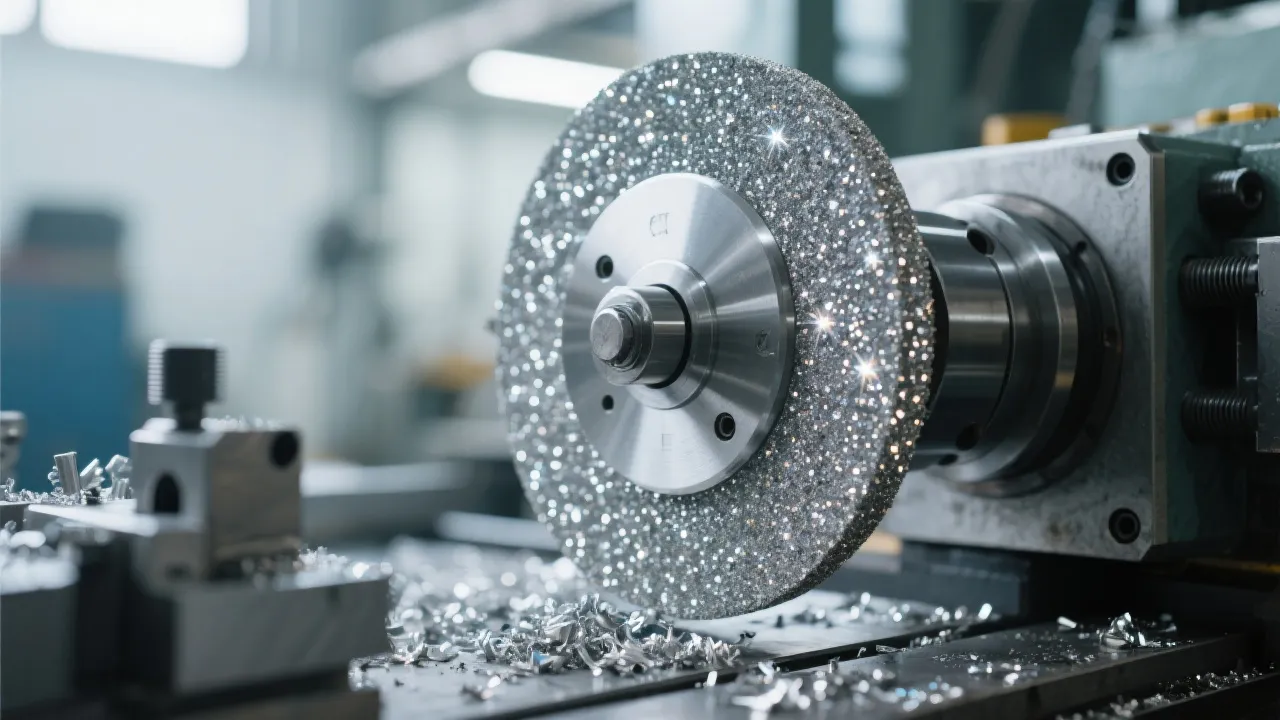
When precision grinding stainless steel, engineers frequently face the challenge of short diamond tool life and poor surface finish. These issues not only increase operational costs but also affect product quality and manufacturing efficiency. At UHD, we delve deep into the micro-wear mechanisms affecting vacuum brazed diamond grinding wheels to empower you with actionable knowledge that enhances tool life by over 30%.
Microscopic Wear Phenomena: Causes & Effects
Diamond tools in stainless steel grinding are subjected to strenuous conditions—high temperature, mechanical stresses, and chemical interactions. The primary wear modes observed at the micro level include:
- Diamond grain detachment: Mechanical forces and thermal shocks cause individual diamond grains to debond from the bonding matrix, leading to material removal inefficiency.
- Bonding layer degradation: The vacuum brazed layer can fail due to cyclic thermal expansion mismatches and oxidation, reducing the structural integrity of the tool.
- Thermal stress-induced cracking: Repeated heating and cooling cycles induce microcracks in both the diamond grit and the bonding matrix, accelerating tool breakdown.
Have you observed early signs of tool wear such as increased vibration or sudden rises in surface roughness during your operations? Identifying these indicators early can be critical to implementing preventive measures.
Optimizing Grinding Parameters for Extended Tool Longevity
Our research highlights that careful tuning of grinding parameters can significantly mitigate wear. Practical guidelines include:
- Feed speed adjustment: Operating within a feed rate of 30–50 mm/min balances material removal with minimized mechanical shock.
- Cutting depth control: Maintaining cut depths under 0.01 mm reduces excessive thermal loads and stress concentrations.
- Cooling fluid selection: Employing high-performance synthetic coolants with superior thermal conductivity improves heat dissipation, directly reducing thermal cracks.
Implementing these optimizations has proven to extend vacuum brazed diamond grinding wheel life by more than 30%, verified through multiple field case studies.
Real-World Case Study: Achieving Sustainable Tool Performance
In an aerospace component manufacturing line, implementing the above parameter controls combined with UHD’s advanced vacuum brazed diamond wheels featuring high-purity diamond crystals demonstrated:
- An increase of average tool life from 25 to 35 operating hours (a 40% improvement).
- A consistent surface finish enhancement with Ra values dropping below 0.2 µm.
- Reduced unplanned downtime by 25% due to fewer tool failures.
Such evidence makes it clear that technological understanding paired with precise processing control drives substantial productivity benefits.
Early Wear Signal Detection & Preventive Maintenance
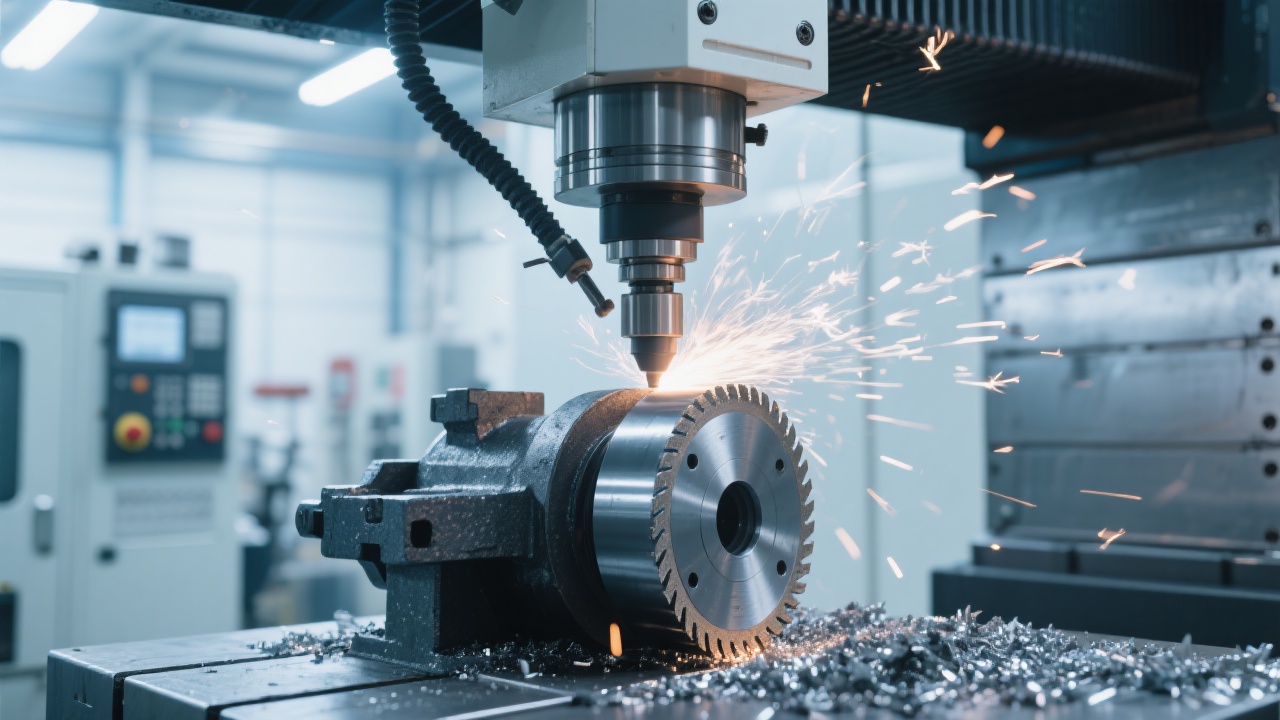
Monitoring vibration patterns and surface roughness in real time enables early detection of tool degradation. Key indicators include:
- Sudden vibration amplitude spikes beyond baseline levels.
- Surface finish deterioration evidenced by abrupt Ra value increases.
- Noise changes indicating bond layer cracking.
Instituting a rigorous preventive maintenance protocol based on these signs not only protects your investment but also stabilizes manufacturing outcomes.
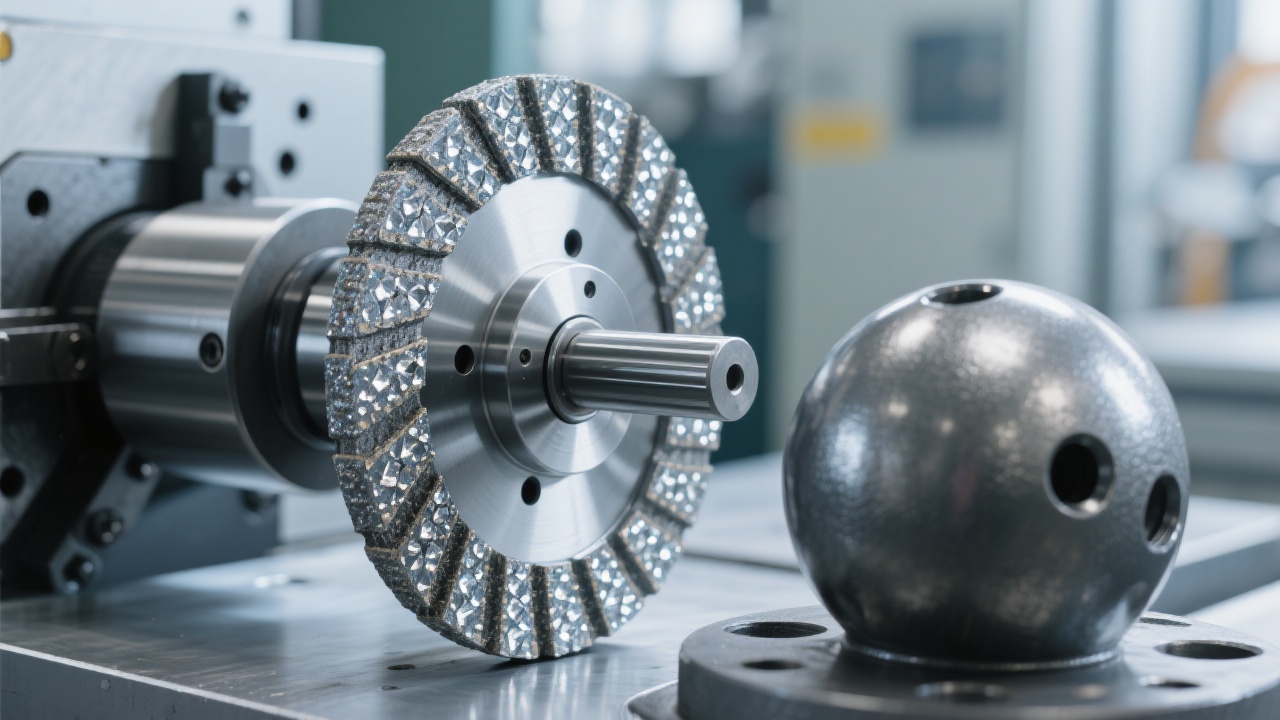
Leveraging UHD’s UHD Advantages in Tool Manufacturing
UHD’s diamond tools stand out by integrating:
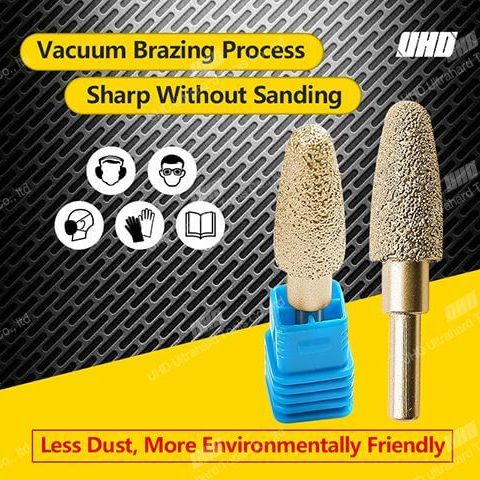
- Vacuum brazing technology: Ensures robust bonding and uniform diamond grain distribution.
- High-purity diamond crystals: Offering superior hardness and thermal stability.
- Customizable design capabilities: Tailoring grit size and bonding materials to your specific stainless steel grinding needs.
These innovations complement your process optimizations, delivering unparalleled tungsten carbide and stainless steel machining results.