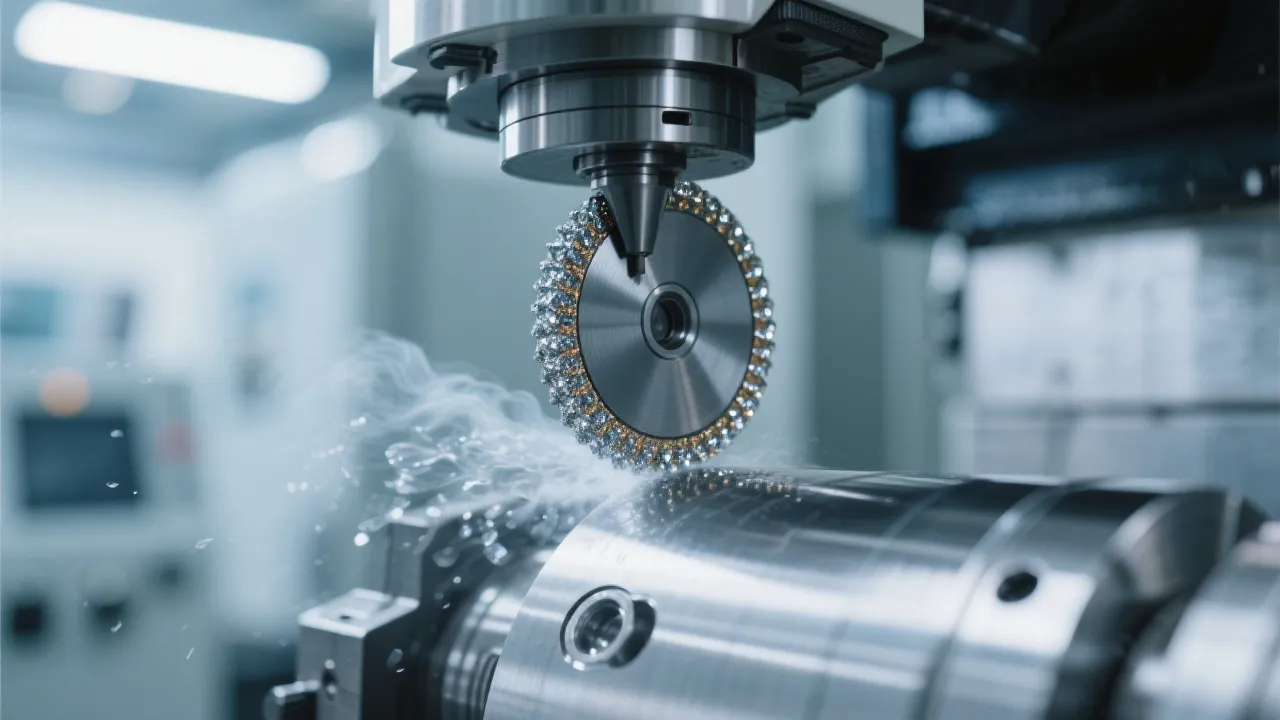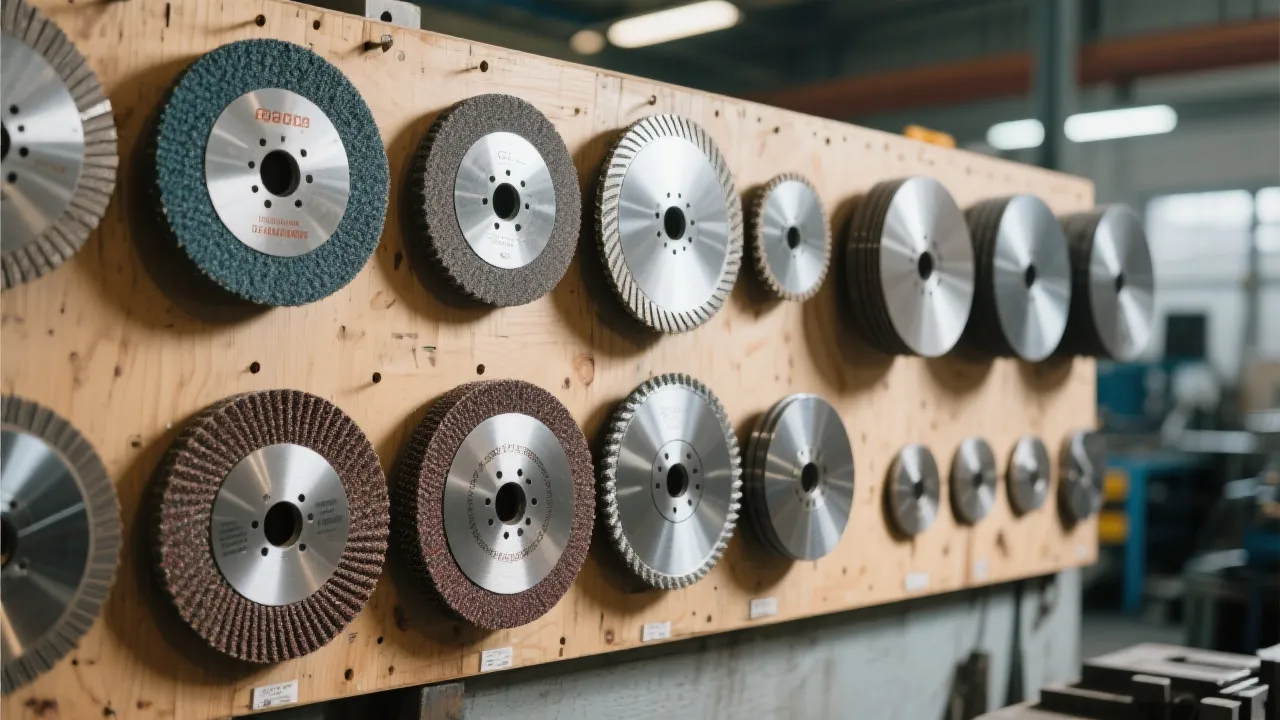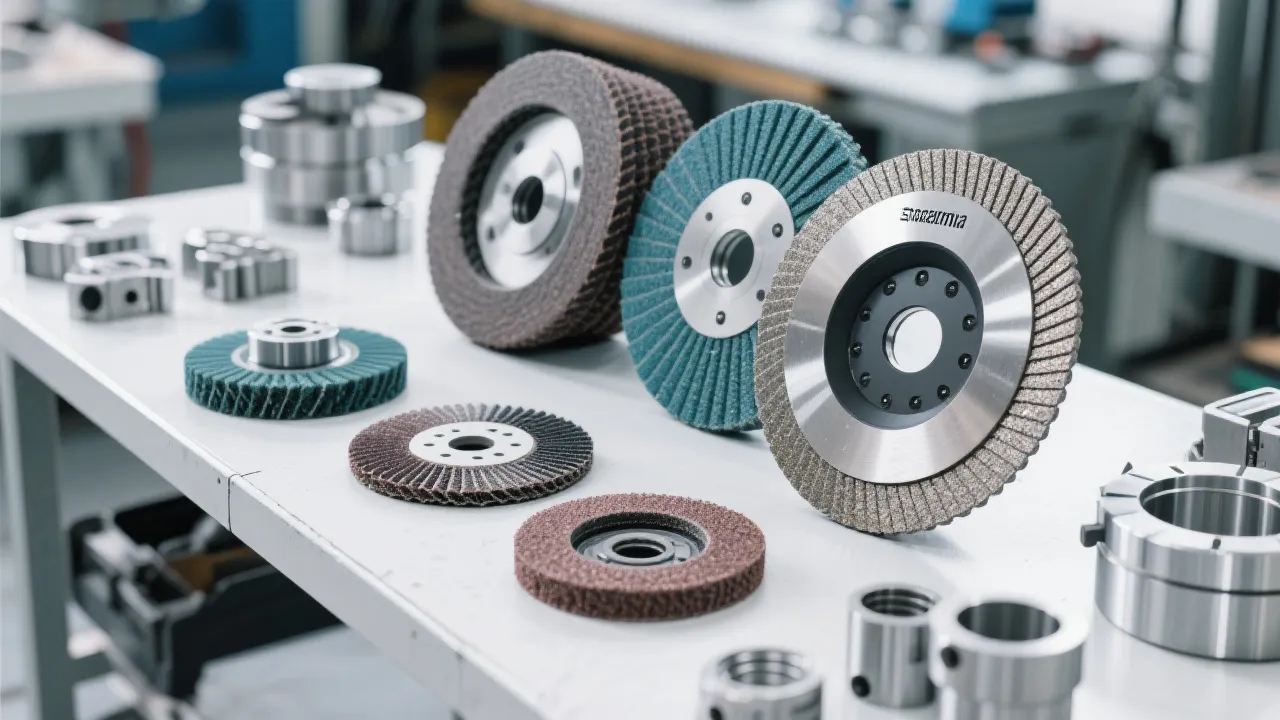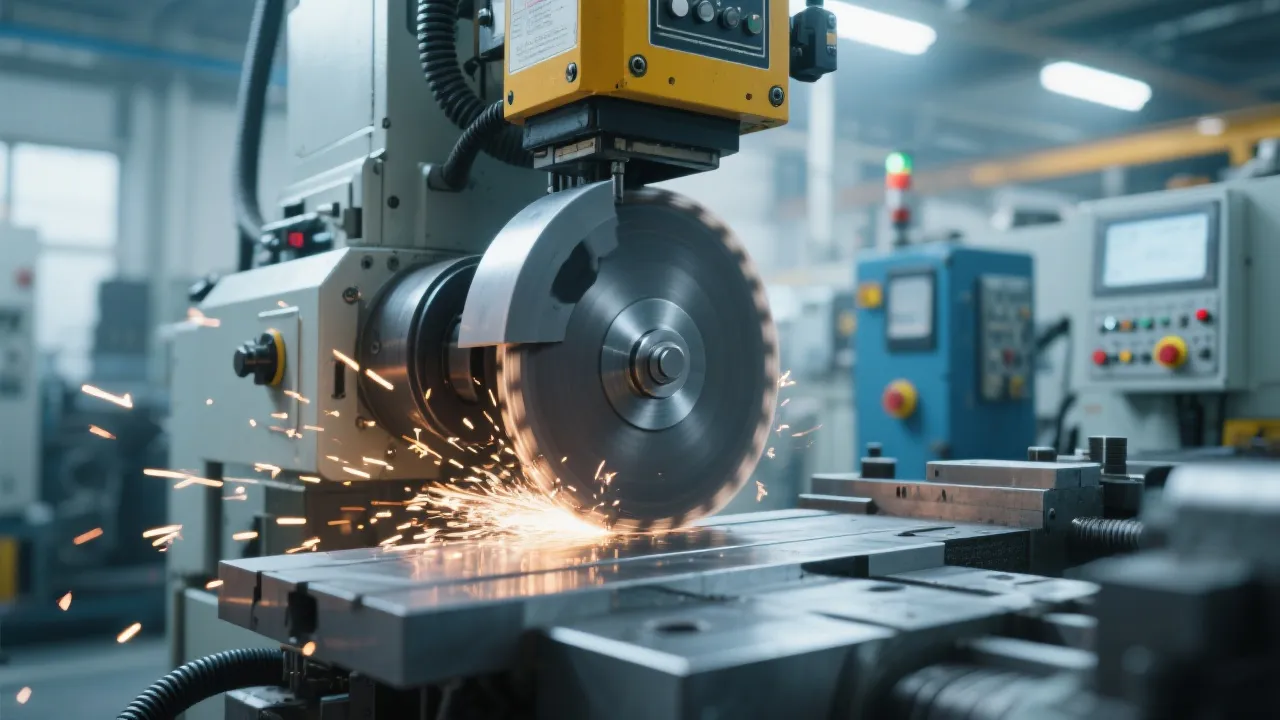
Grinding composite materials composed of grey cast iron and stainless steel presents unique challenges due to the differing physical properties of these metals. Maximizing grinding efficiency while achieving superior surface quality requires a precise understanding of how diamond abrasive grit size, concentration, and brazing processes interact with the substrates. This technical guide from UHD delivers an in-depth analysis and practical methodology for selecting and configuring diamond grinding tools precisely tailored to multi-material machining needs in the mechanical manufacturing industry.
Grey cast iron, characterized by its graphite microstructure and relatively brittle nature, requires abrasives capable of efficient material removal without excessive tool wear. Its high thermal conductivity demands grinding parameters that avoid overheating and surface cracks. Conversely, stainless steel exhibits toughness with significant ductility and work hardening tendencies, necessitating fine abrasives and controlled grinding conditions to prevent surface smearing and thermal damage.
These contrasting physical properties mean that a one-size-fits-all grinding wheel cannot optimally process composites combining these metals. Effective multi-material grinding calls for a tailored abrasive approach that factors in the mechanical properties and thermal behavior of each component.
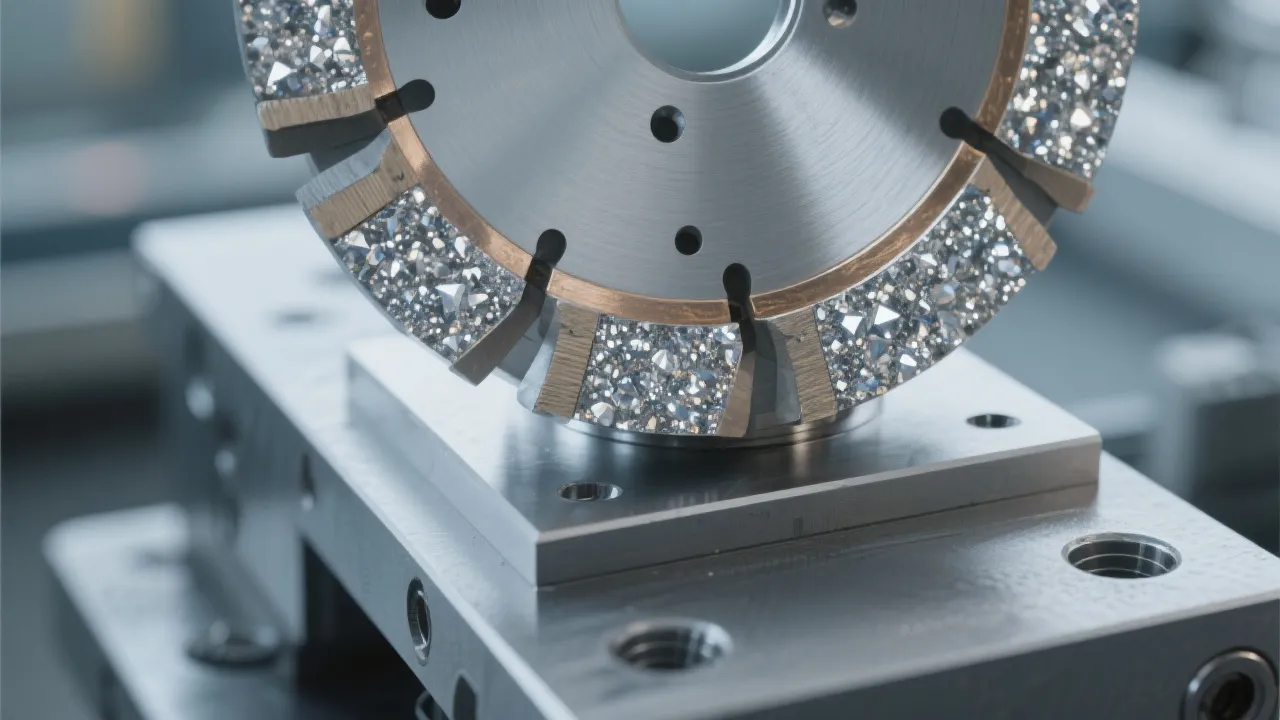
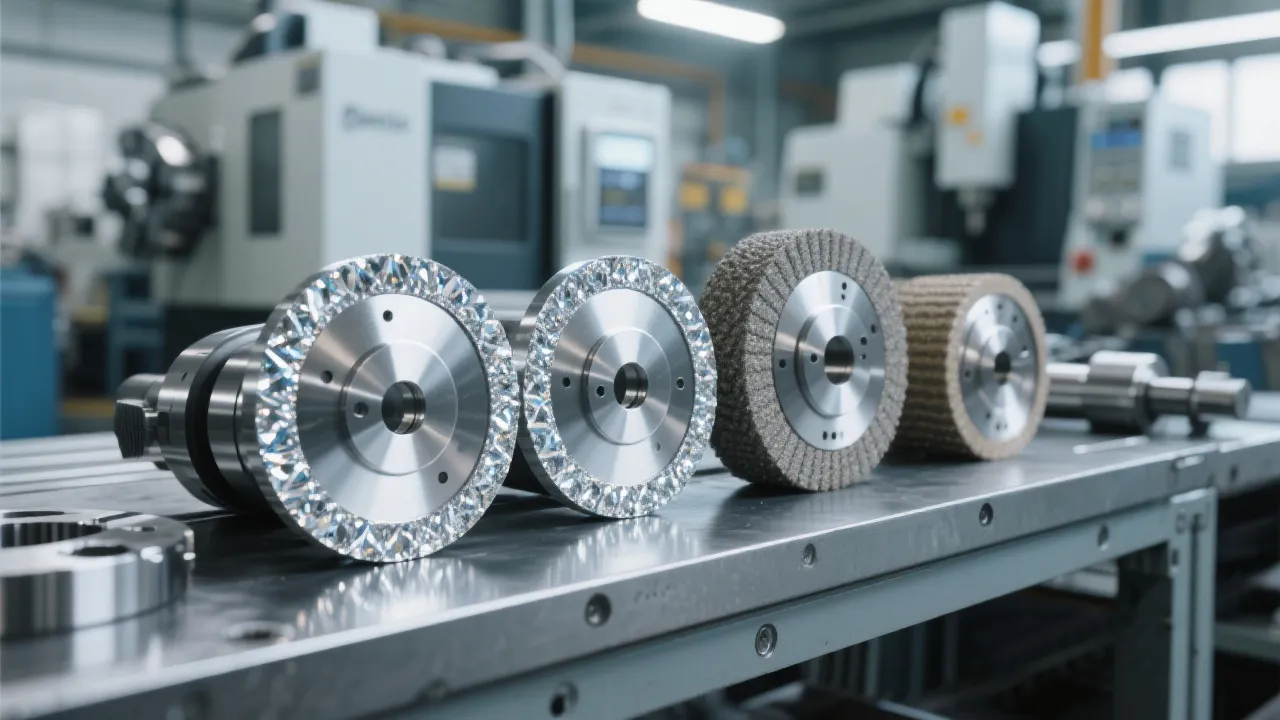
The diamond grit size directly influences grinding precision and efficiency. For stainless steel sections, UHD recommends ultra-fine diamond grits sized between 30 to 60 microns coupled with high diamond concentrations—ranging from 120 to 180 carats per cubic inch—to accommodate low feed rates, maintain surface integrity, and reduce heat generation. Such configuration combats stainless steel's tendency to harden during grinding.
In contrast, grey cast iron benefits from coarser diamond grits around 90 to 120 microns, with moderate concentrations (80 to 120 carats per cubic inch) to optimize abrasive cutting action and chip clearance, thereby enhancing material removal rates.
The brazing technology employed to affix diamonds to the substrate must ensure stable bonding that withstands mechanical stresses and thermal fluctuations experienced during grinding. UHD's advanced brazing processes reinforce this stability, preventing abrasive detachment and wheel degradation.
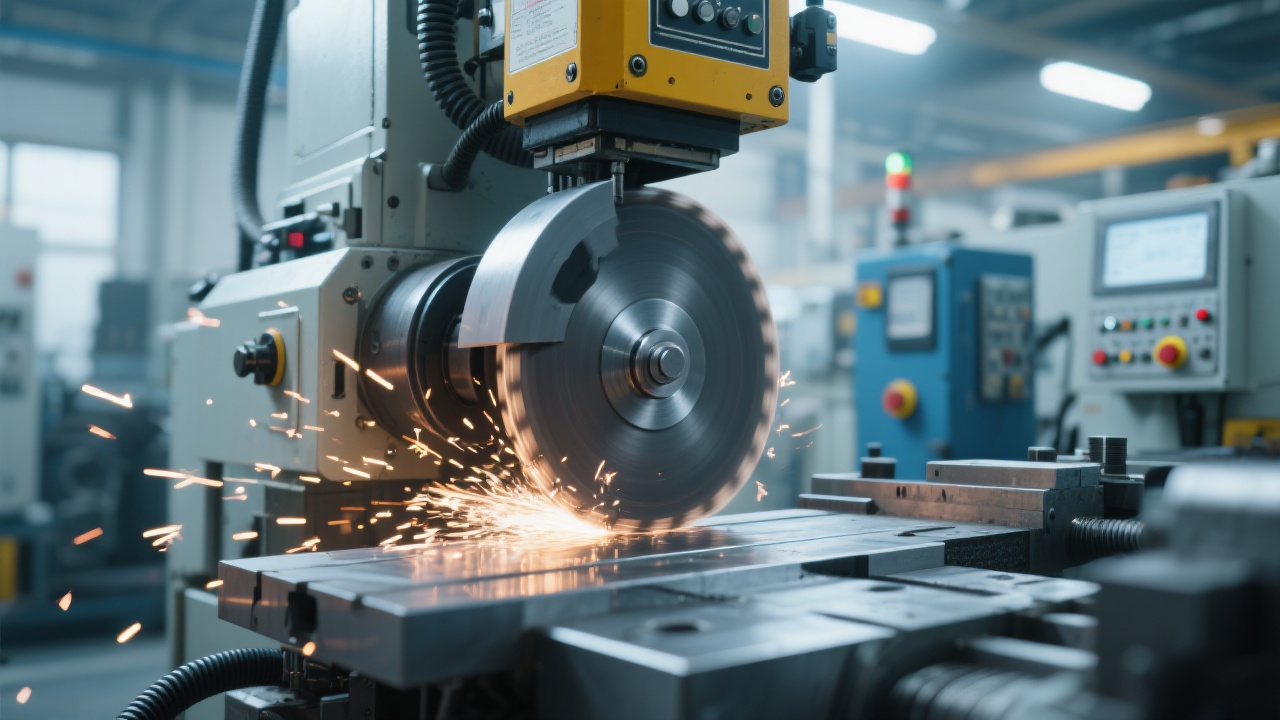
Field data from UHD’s recent manufacturing collaborations reveal that stainless steel components achieve superior surface finish when ground using wheels embedded with 160-180 carats/in³ of 40-micron diamond grit at spindle speeds near 2500 RPM combined with feed rates under 0.03 mm per pass. These settings mitigate work hardening and thermal damage risks.
Conversely, grey cast iron regions ground with 110 carats/in³ of 100-micron grit diamond wheels operating at higher feed rates of 0.08–0.1 mm per pass show throughput increases of up to 15% without compromising surface integrity.
Integrating these differentiated parameters into a composite grinding routine ensures an efficient multi-material process that aligns abrasive action with substrate characteristics.
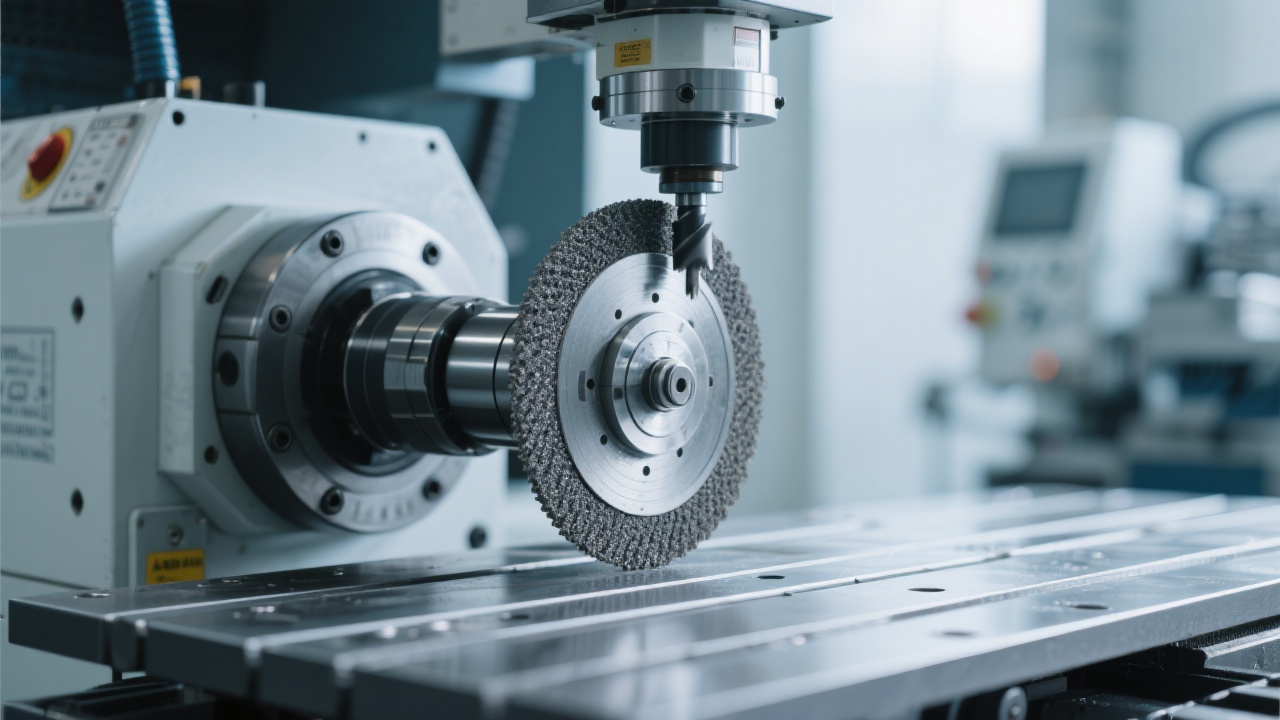
UHD advocates a scientific parameter matching method consisting of:
This data-driven approach enables consistent grinding performance and surface quality reproducibility.
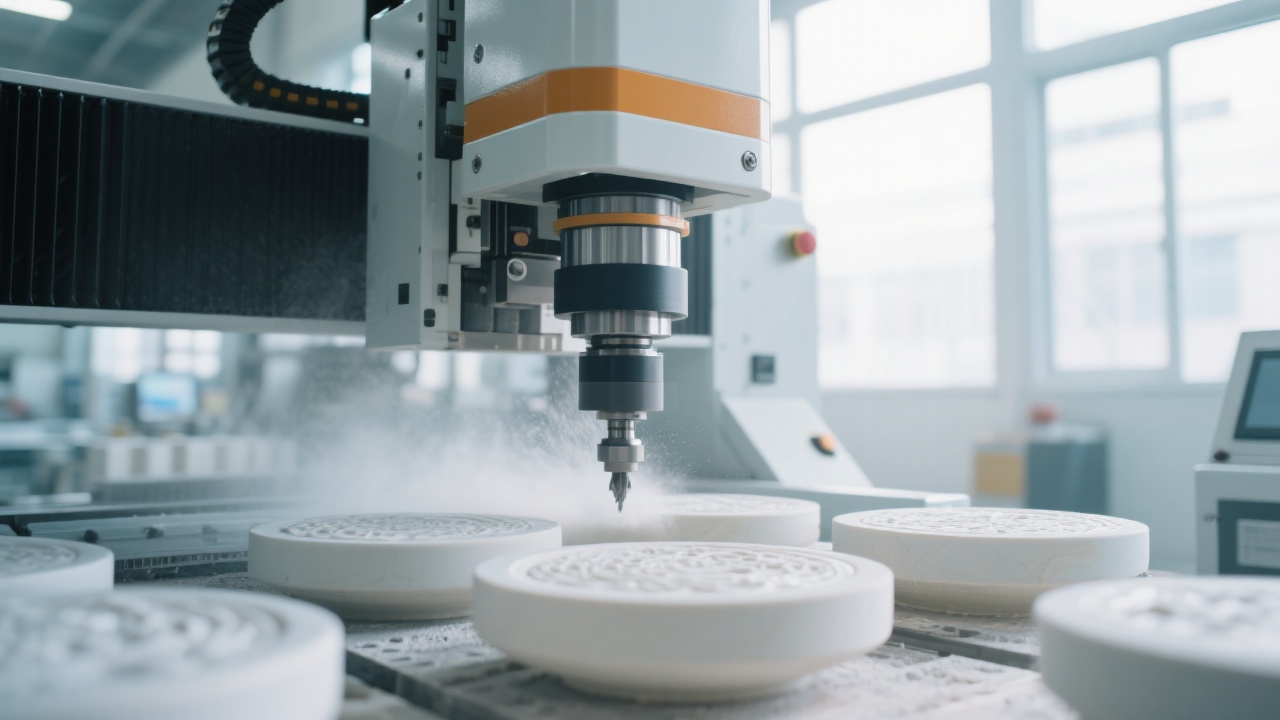
UHD complements this technical content with detailed infographics and stepwise video tutorials enabling mechanical engineering professionals to internalize complex parameter matching principles rapidly. Interactive FAQs address common practical challenges encountered in grey cast iron and stainless steel grinding, fostering deeper understanding and operational confidence.
Staying at the forefront of grinding technology, UHD continually integrates the latest diamond sintering advances and brazing refinements. This ensures mechanical manufacturers benefit from evolving best practices, sustaining competitive advantages via improved production efficiency and superior component quality.