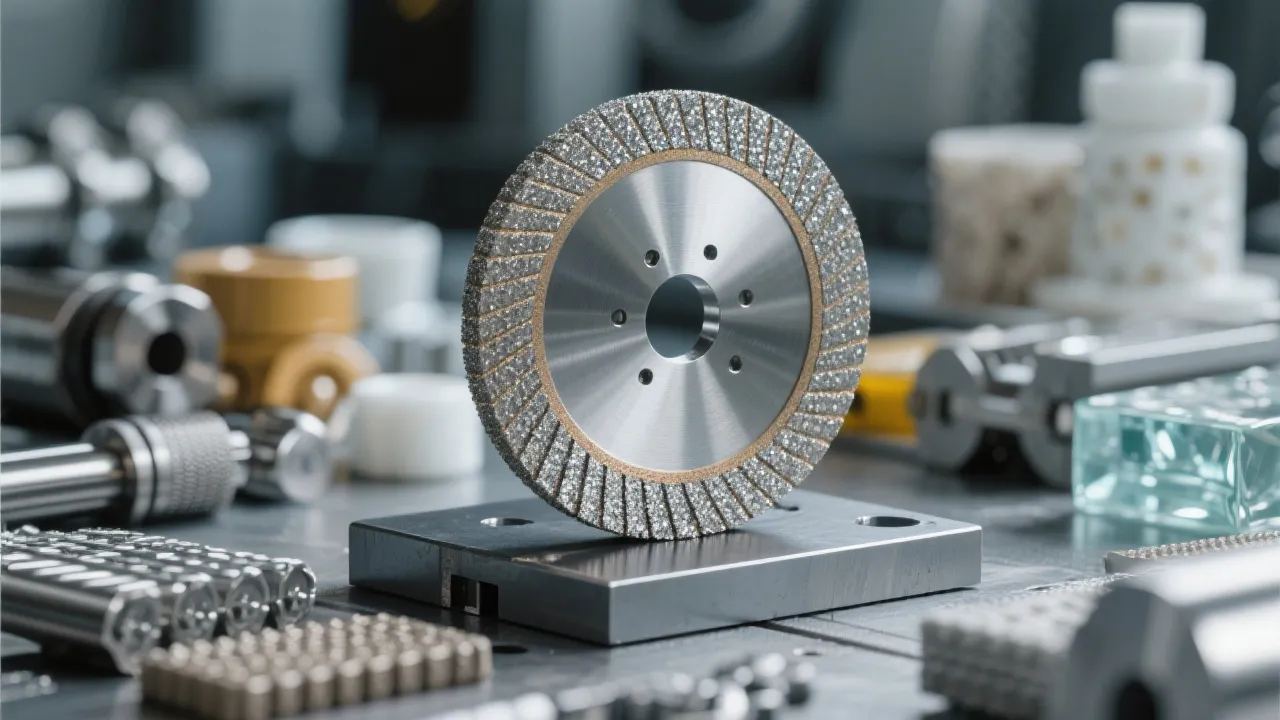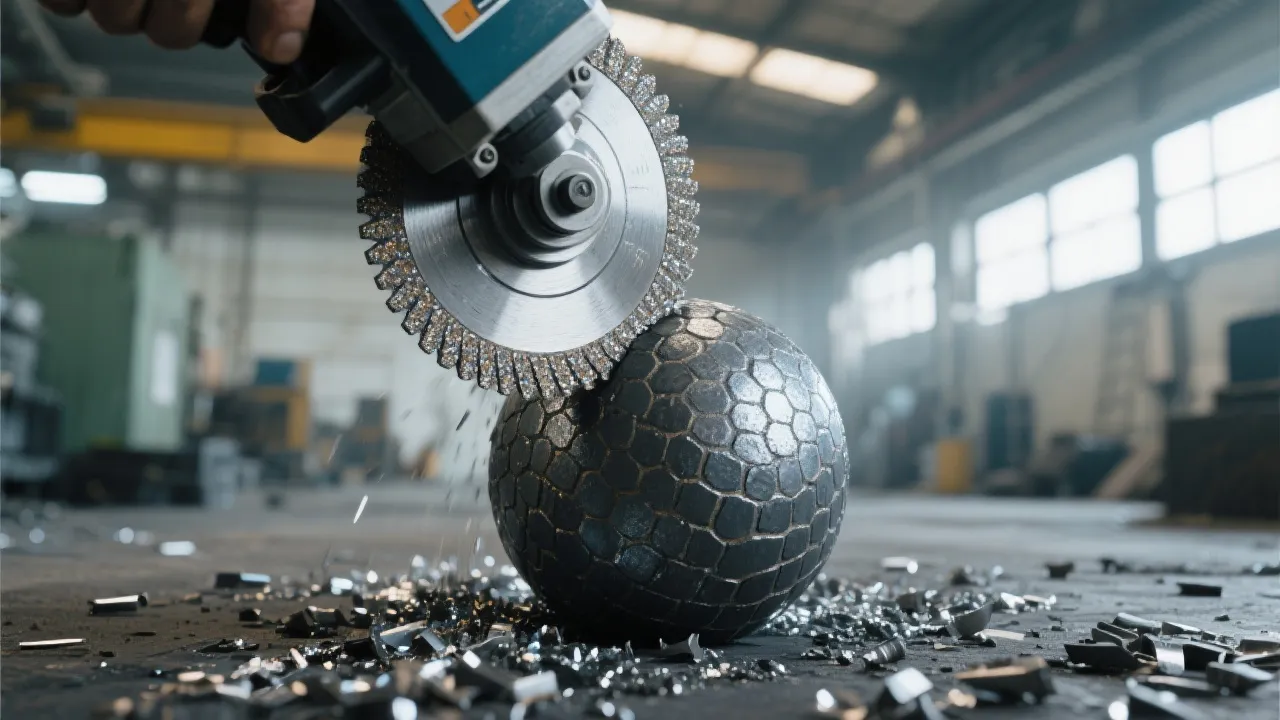
Grinding composite materials combining gray cast iron and stainless steel presents a significant challenge due to the starkly different physical properties of these metals. Conventional abrasive selection often leads to inefficiencies, compromised surface finish, and reduced tool life. Leveraging two decades of applied experience in ultrahard material tooling, UHD offers a methodical approach to optimizing diamond grit size and concentration for multi-material grinding that elevates precision and operational stability.
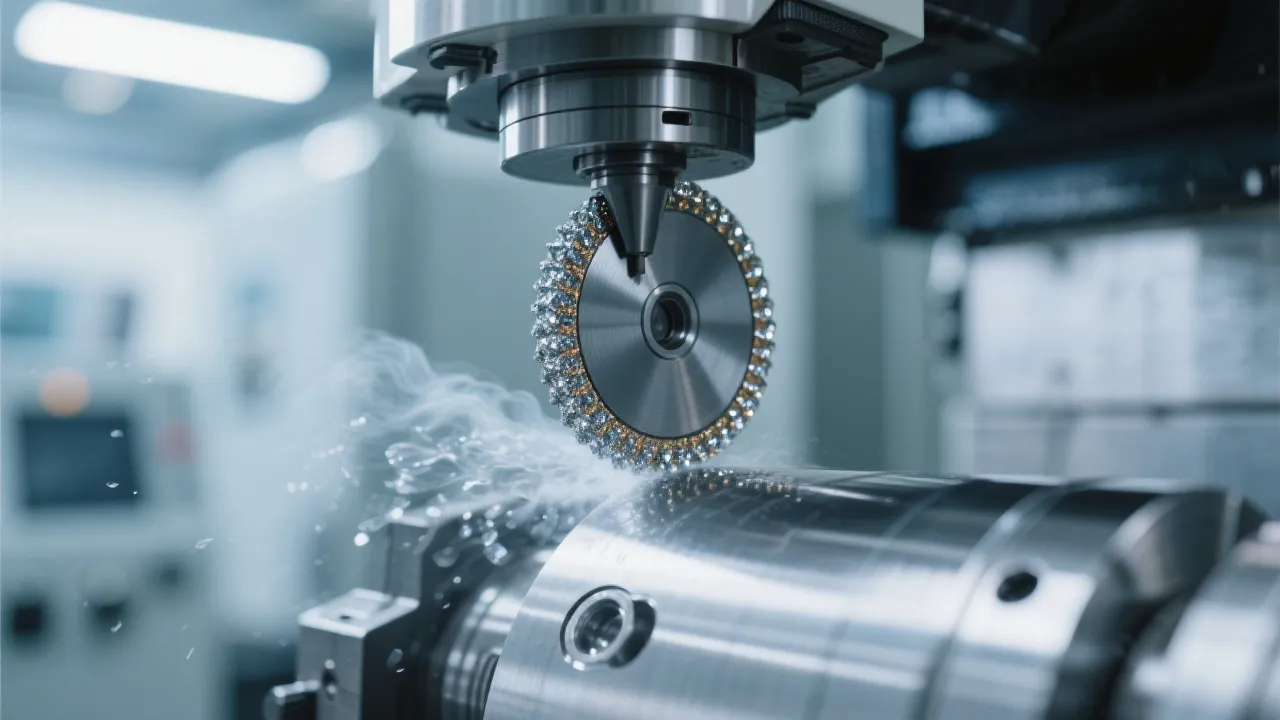
Gray cast iron is characterized by a brittle matrix with abundant graphite flakes, offering relatively easy material removal but posing risks of premature wheel clogging. In contrast, stainless steel is ductile and work-hardening, demanding abrasion techniques that maintain low heat generation and avoid surface burns. These contrasting traits dictate that a single abrasive configuration often fails to deliver optimal results in composite parts.
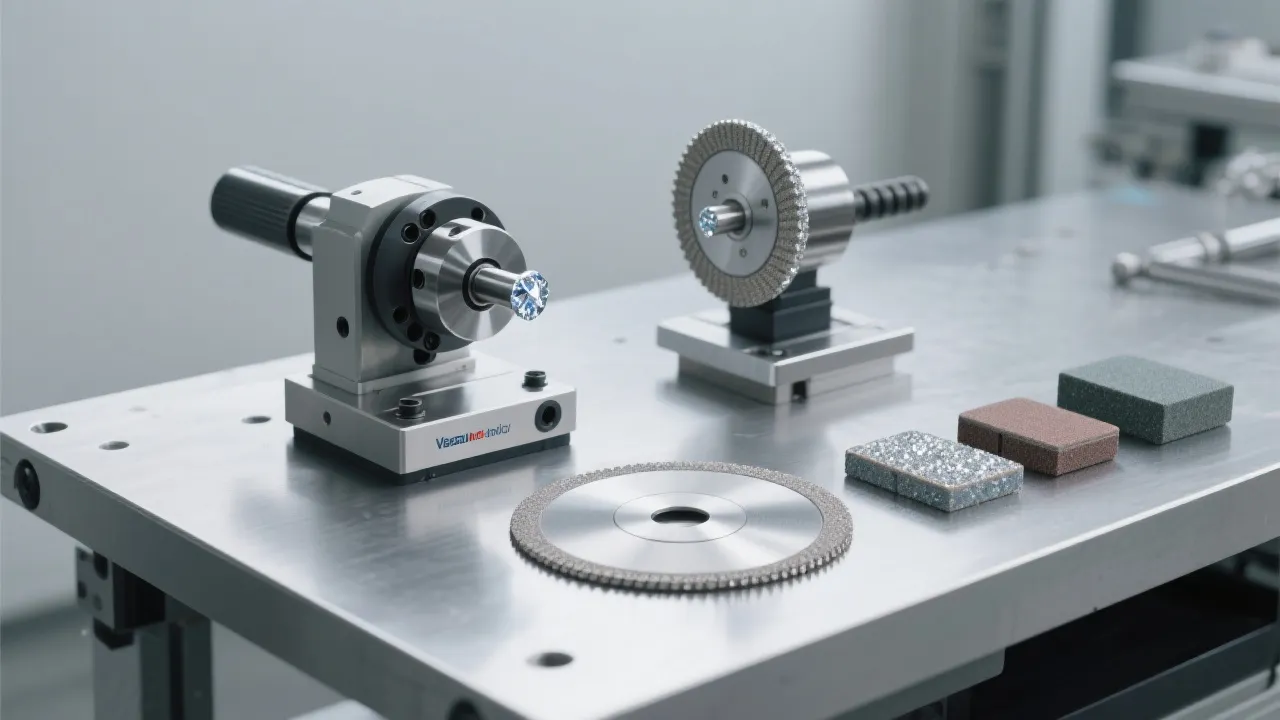
Diamond grit size and concentration are key parameters that influence cutting efficiency and surface finish quality. For instance, coarser grits such as 40/45 mesh provide higher material removal rates ideal for gray cast iron, while finer grits around 80/100 mesh contribute to superior surface finishes necessary for stainless steel zones.
Concentration, expressed as diamond volume percentage, affects grit density on the tool surface. A higher concentration (e.g., 50%) ensures more cutting edges per area, crucial for achieving mirror-like finishes on stainless steel by reducing the feed rate and heat concentration. Conversely, a moderate concentration (~25%) with coarse grit balances efficiency for the gray iron area without excessive tool wear.
| Material | Diamond Grit Size | Diamond Concentration | Feed Speed | Expected Surface Finish (Ra) |
|---|---|---|---|---|
| Stainless Steel | 80/100 mesh | 50% | Low | ≤ 0.2 μm |
| Gray Cast Iron | 40/45 mesh | 25% | Moderate | ≤ 0.8 μm |
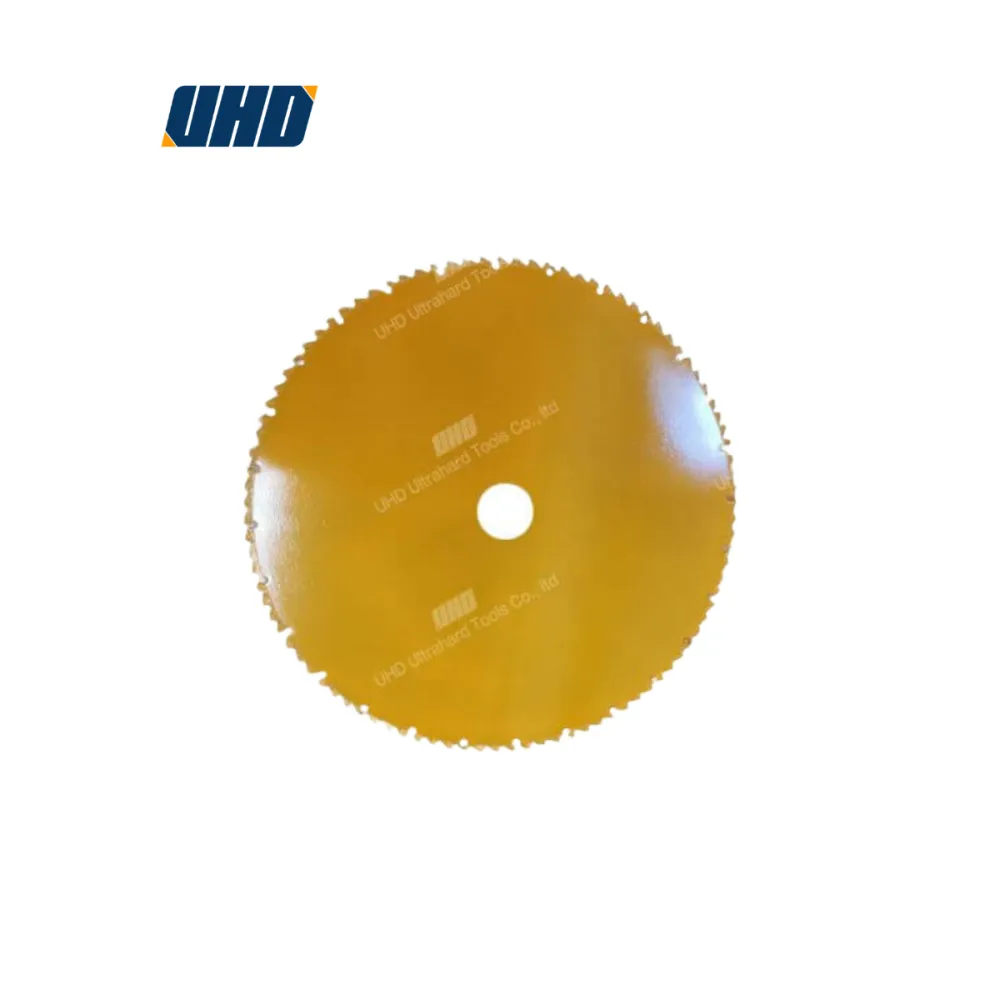
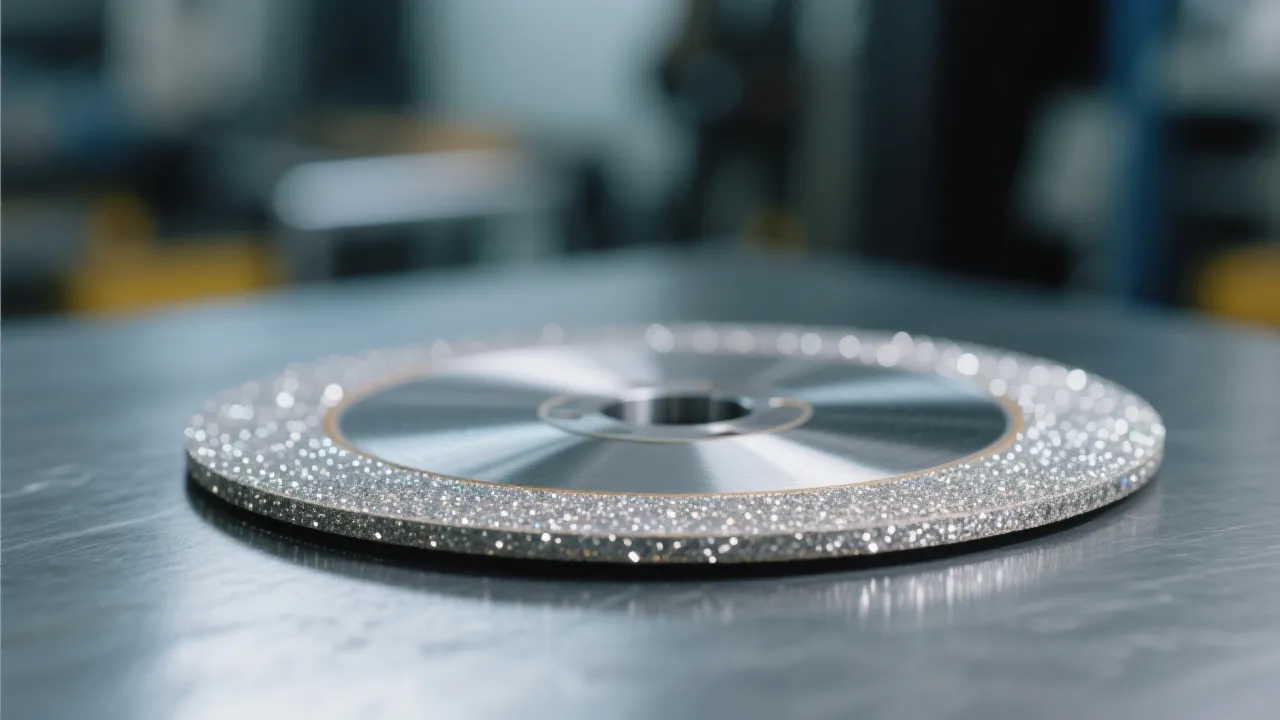
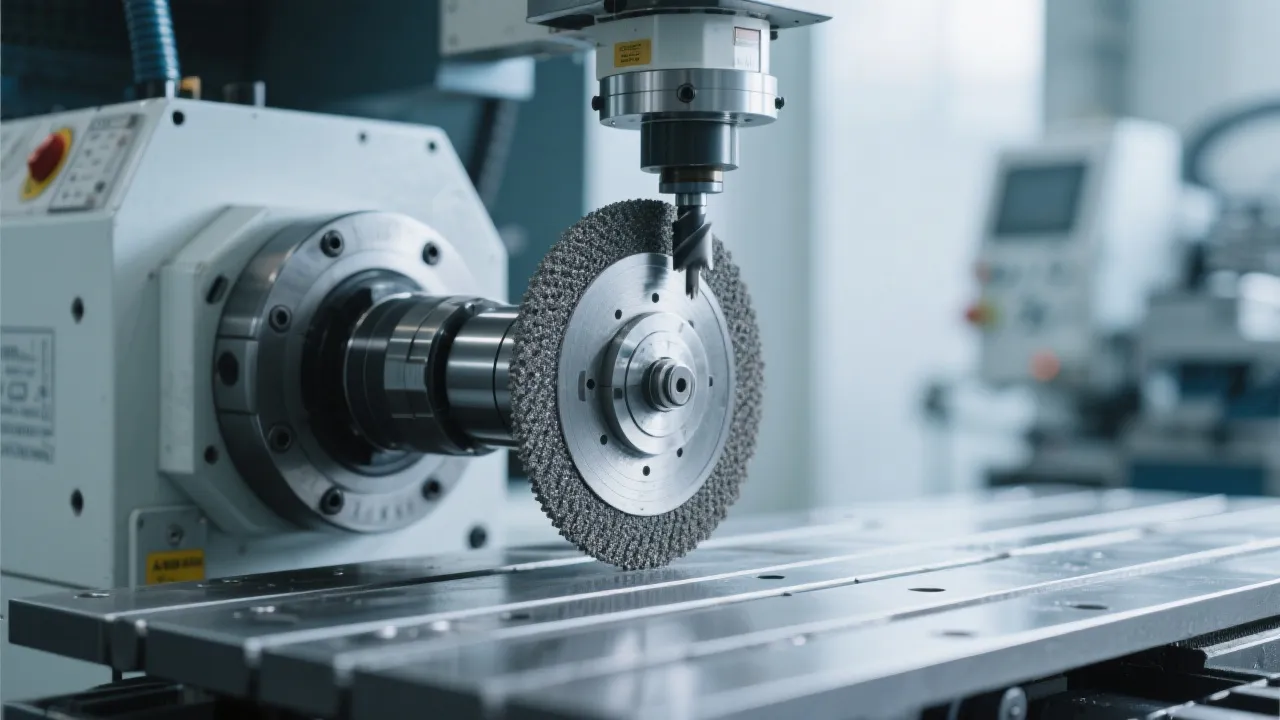
In a practical application involving gray cast iron/stainless steel composite components, utilizing UHD’s recommended dual-parameter approach achieved a surface roughness reduction from Ra 0.5 μm to Ra 0.18 μm on stainless steel zones, while simultaneously boosting gray cast iron removal rates by 20% without compromising tool longevity. Key to this success was configuring the grinding wheel with a vacuum brazed diamond bond, securing abrasive grains firmly to withstand impact and heat stresses common in discontinuous cutting.
Vacuum brazing technology used in UHD’s grinding wheels forms metallurgical bonds that tightly anchor diamond particles, significantly enhancing resistance to abrasive grain pull-out. This improves tool life, reduces downtime caused by wheel dressing, and delivers consistent performance under the rigorous loads encountered in multi-material grinding.
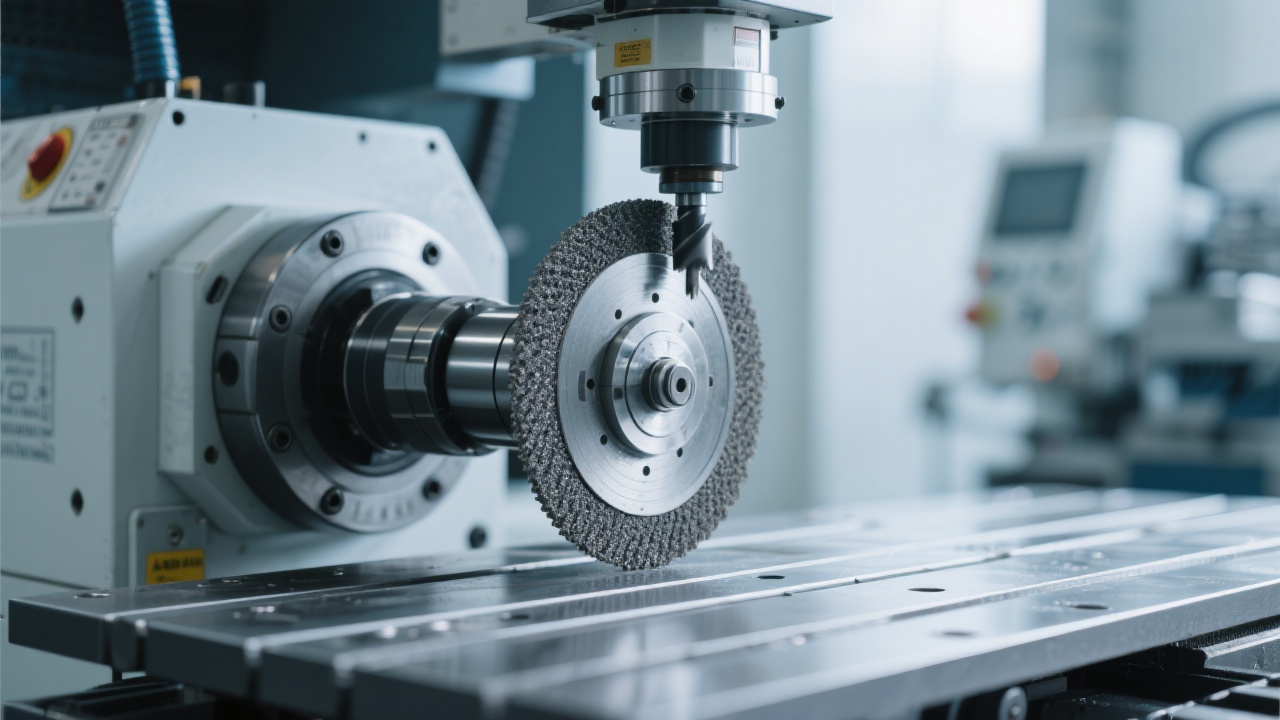
To facilitate efficient decision-making on grinding parameters, UHD proposes a straightforward flowchart-based approach relying on material hardness, desired finish, and production speed targets:
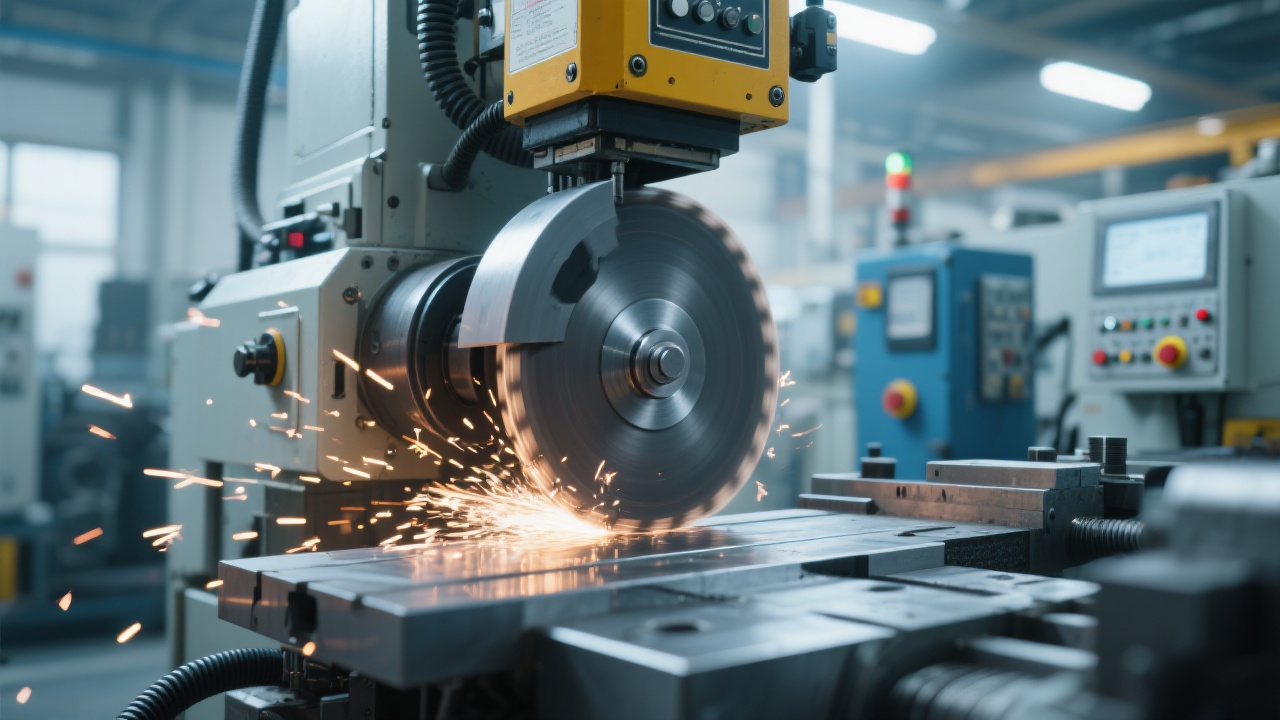
The industry is moving towards greater customization of abrasive tools, combining data-driven parameter optimization with advanced bonding techniques. UHD leads in developing bespoke diamond grinding wheels tailored to specific composite material geometries and production volumes, ensuring clients achieve unprecedented precision while reducing costs.
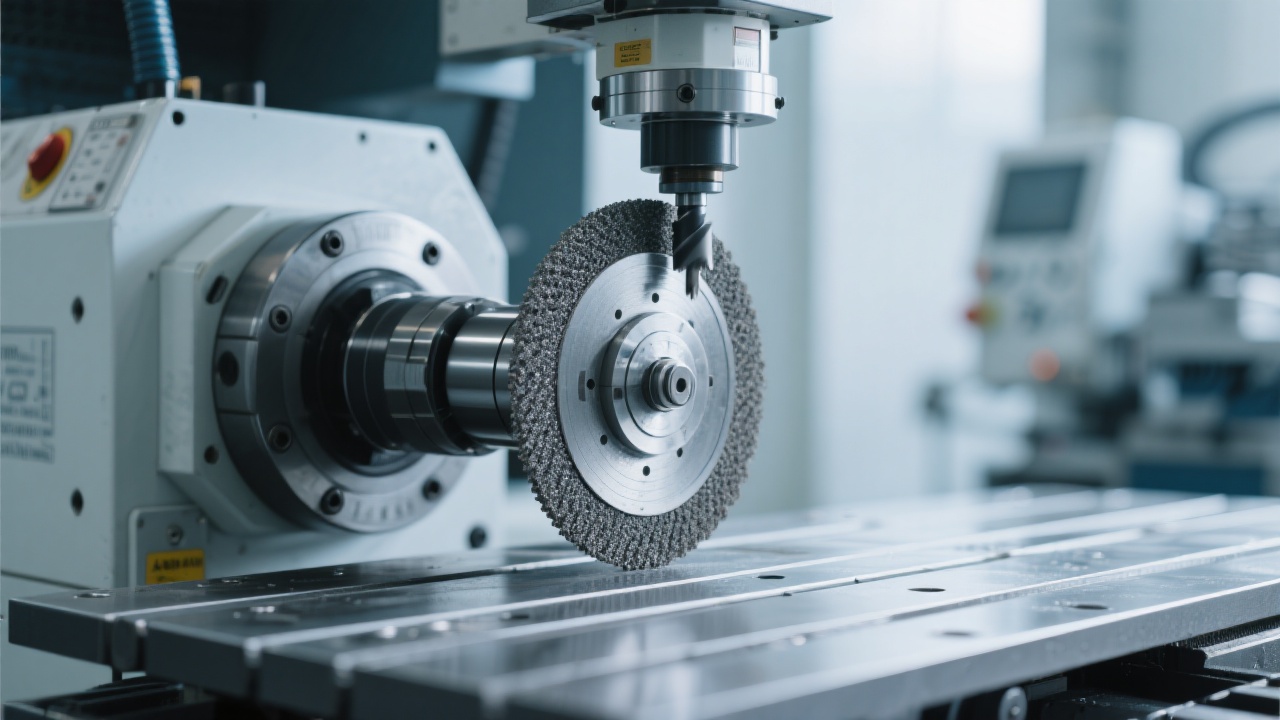
For engineers and production managers working with complex multi-material parts striving to improve grinding outcomes, UHD’s extensive expertise and methodical parameter recommendations are an indispensable asset. If you want tailored guidance addressing your unique workpiece structure, contact us for complimentary technical consulting on custom diamond grinding wheel solutions.