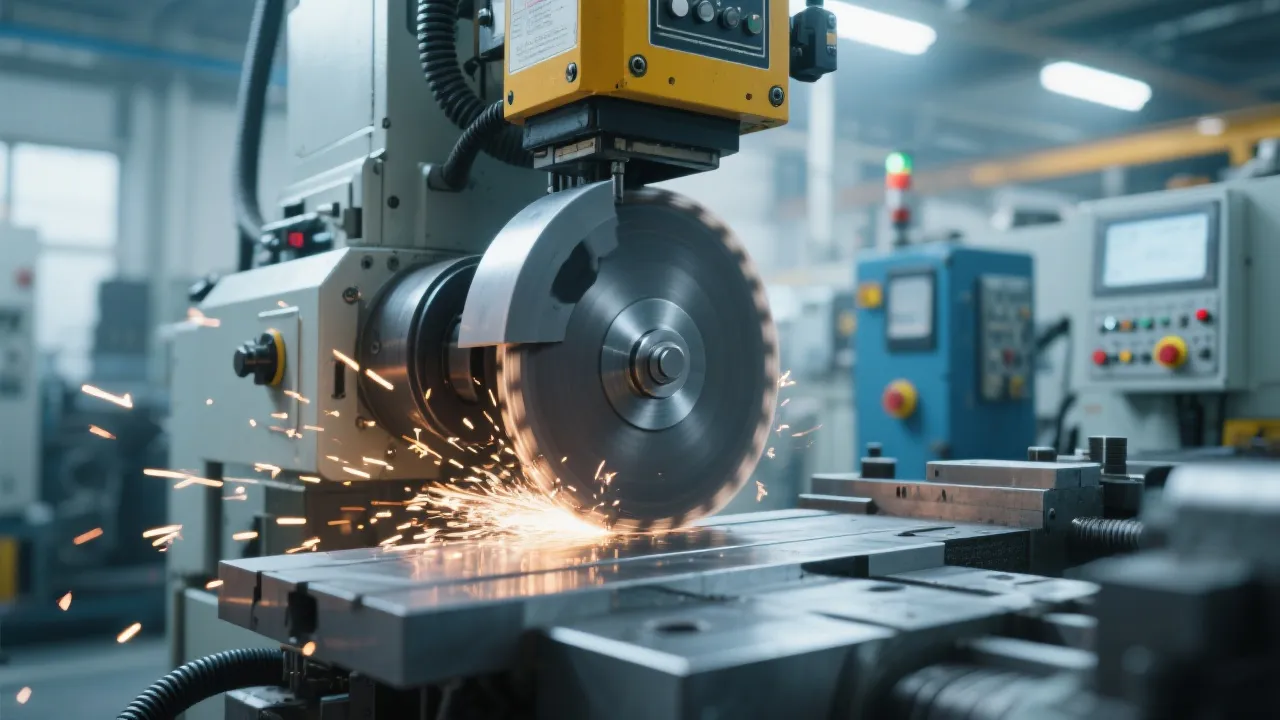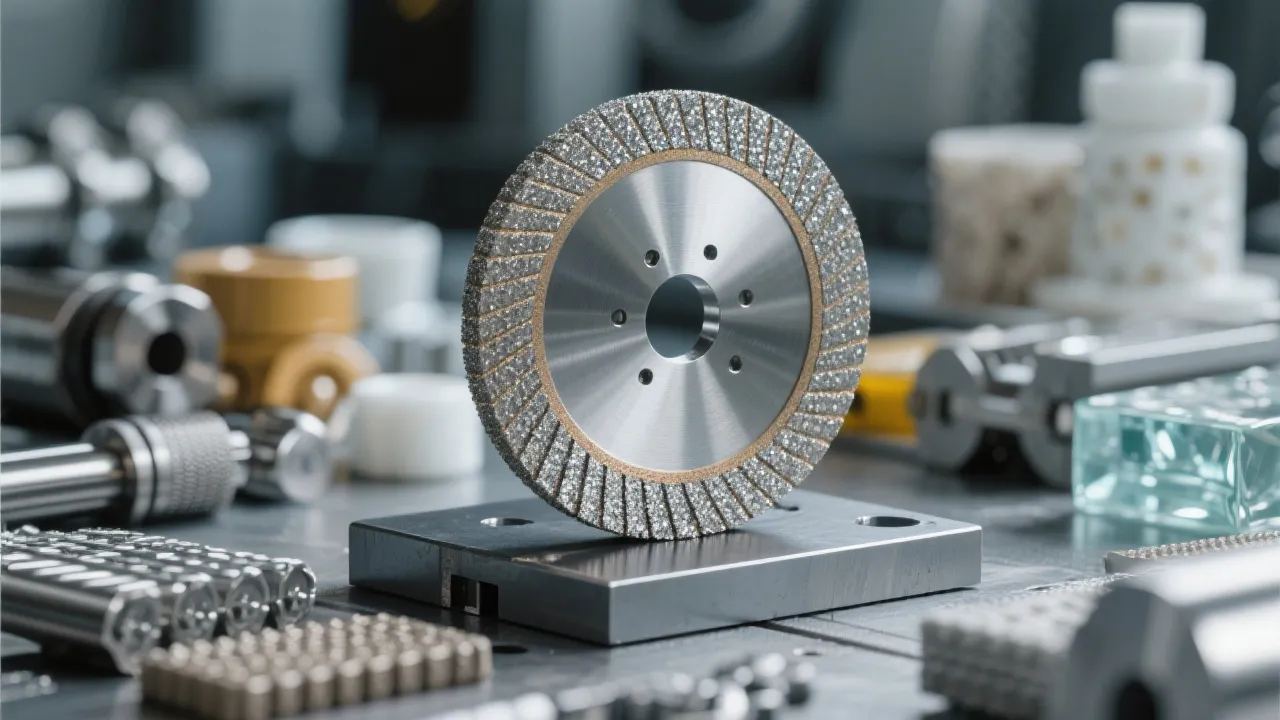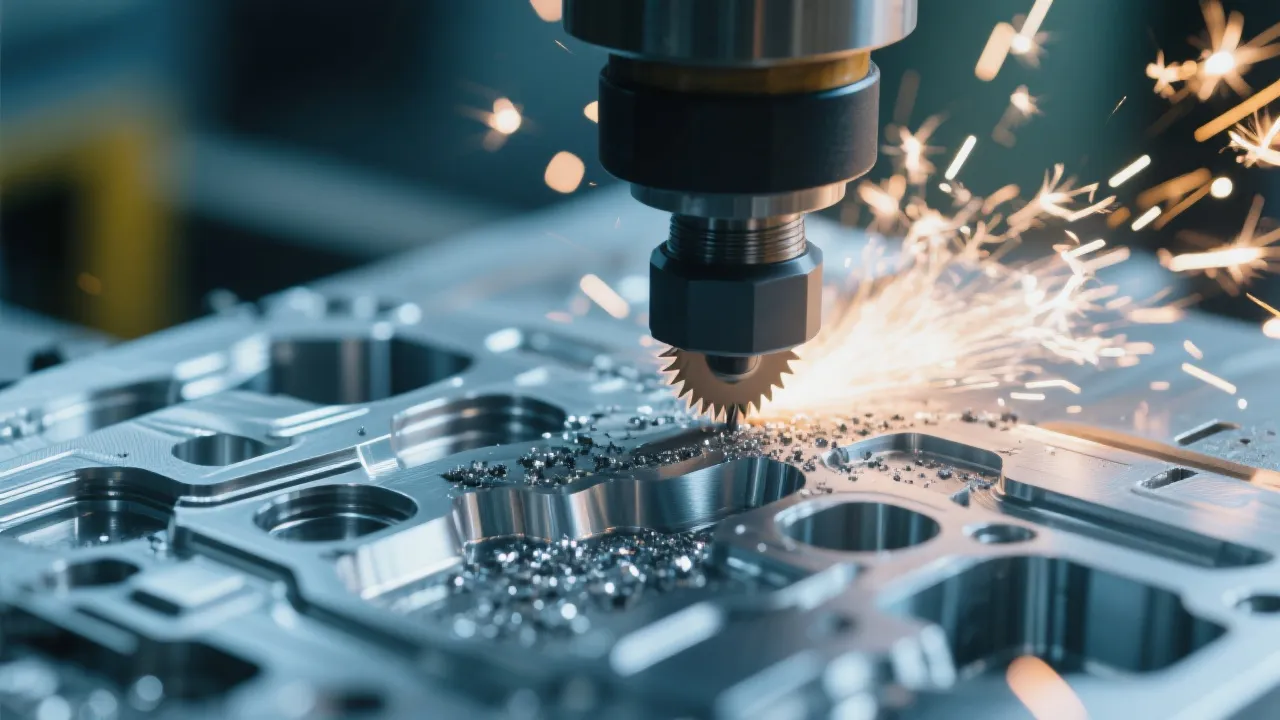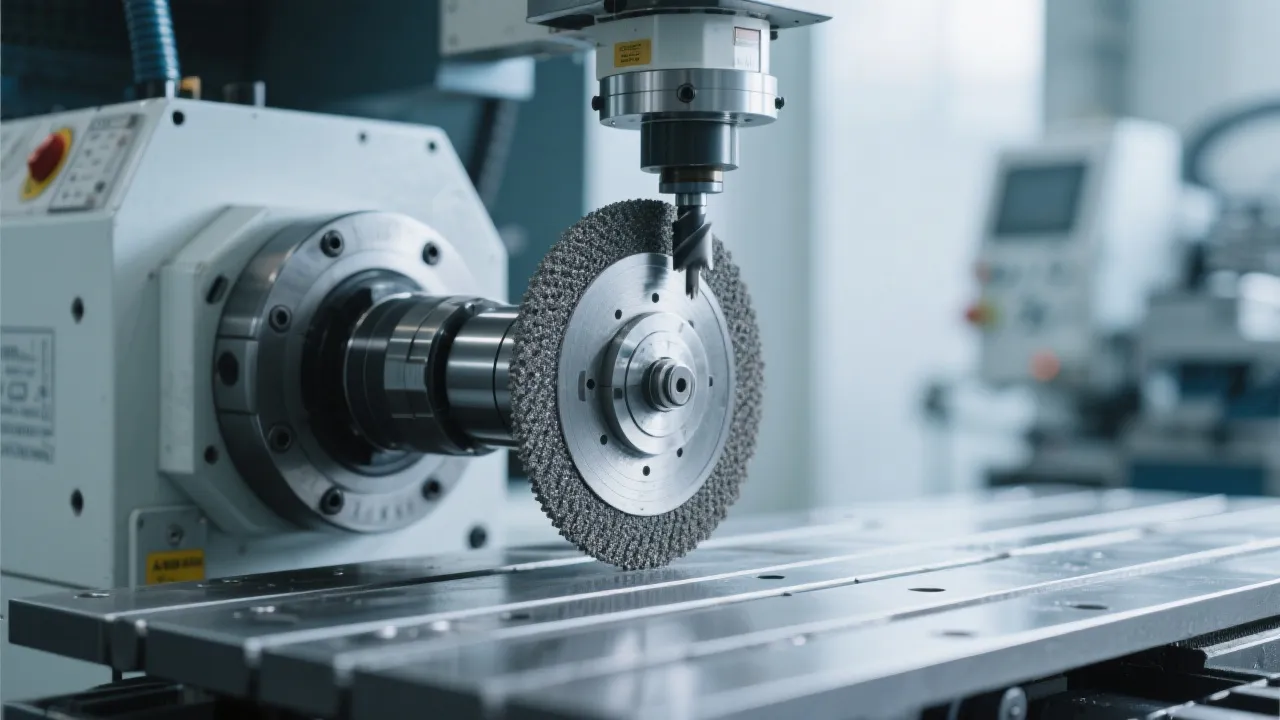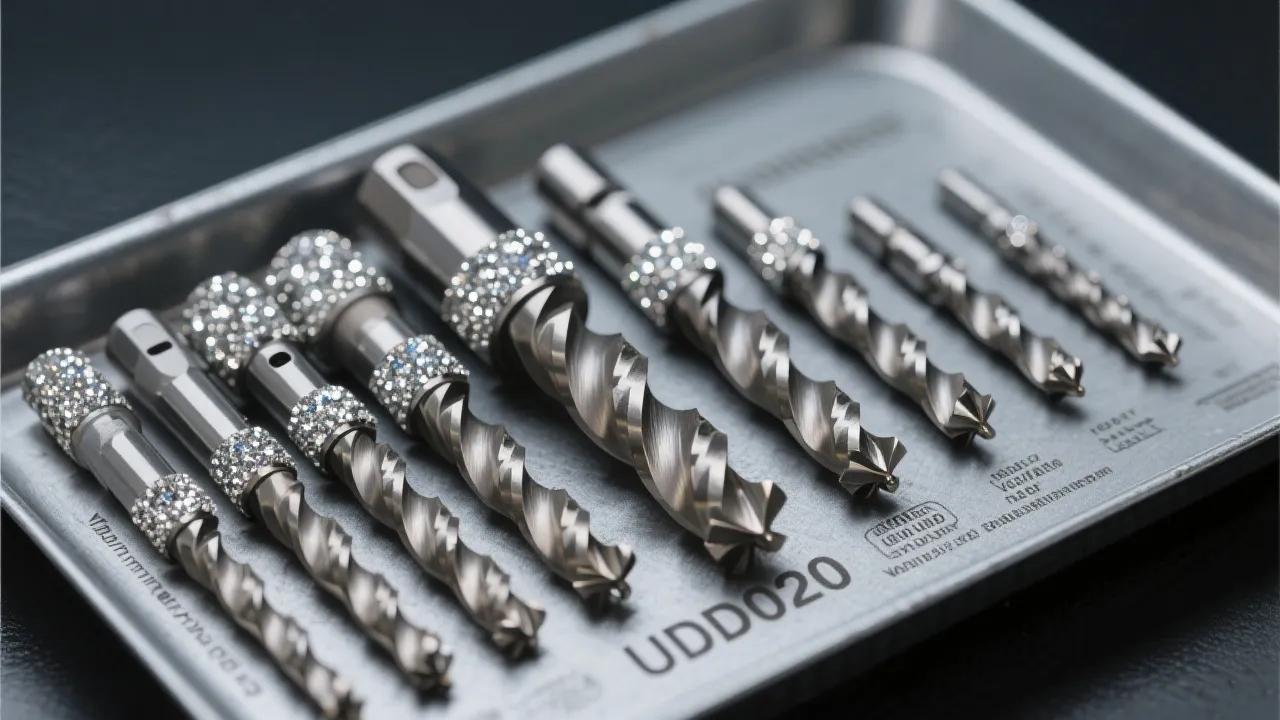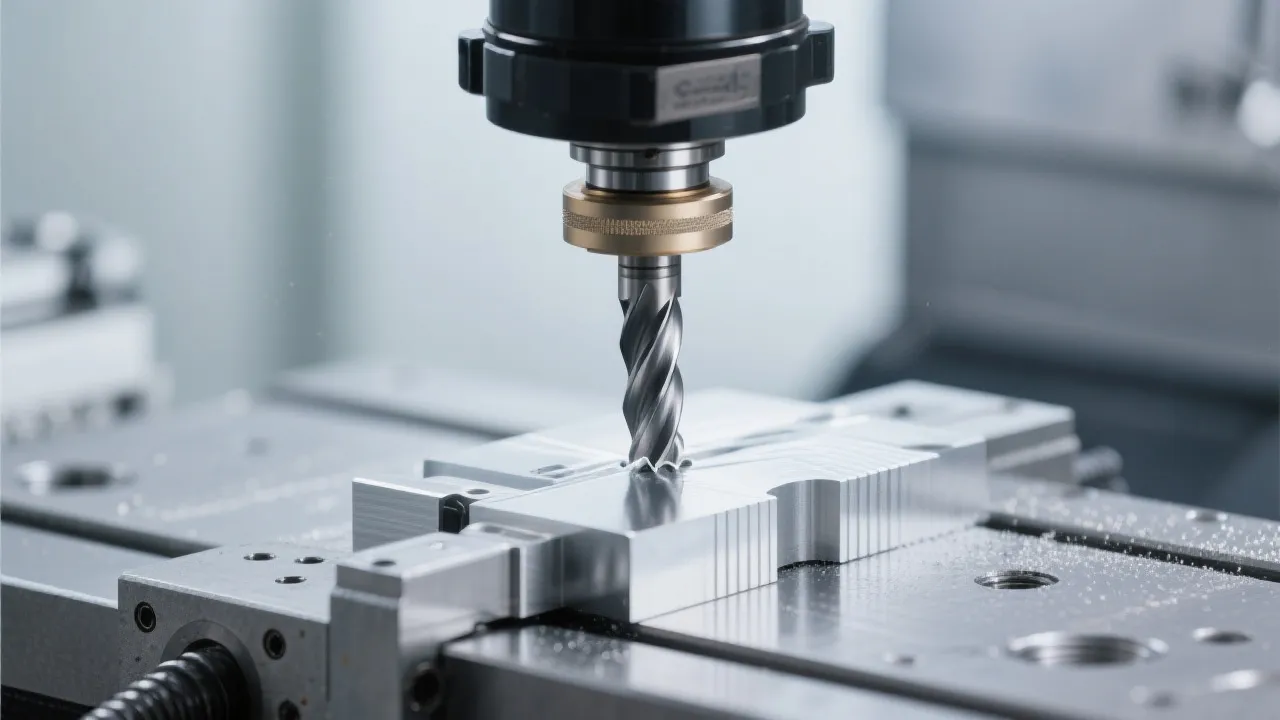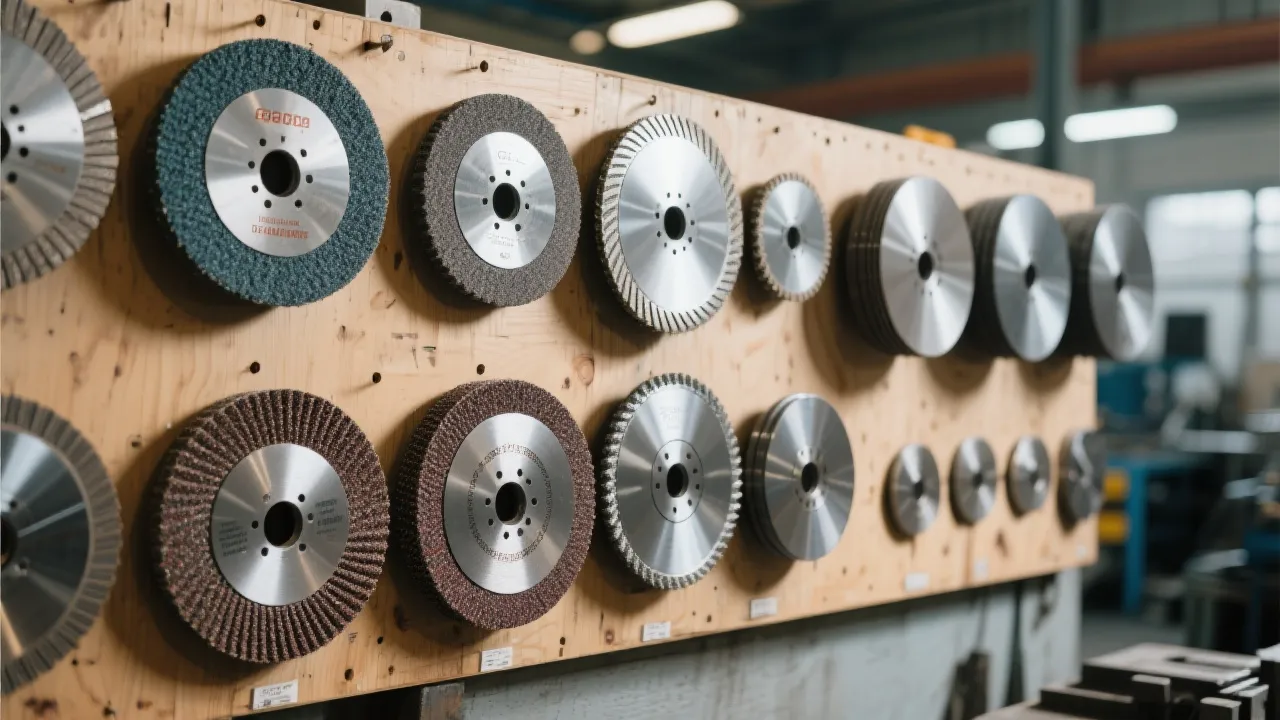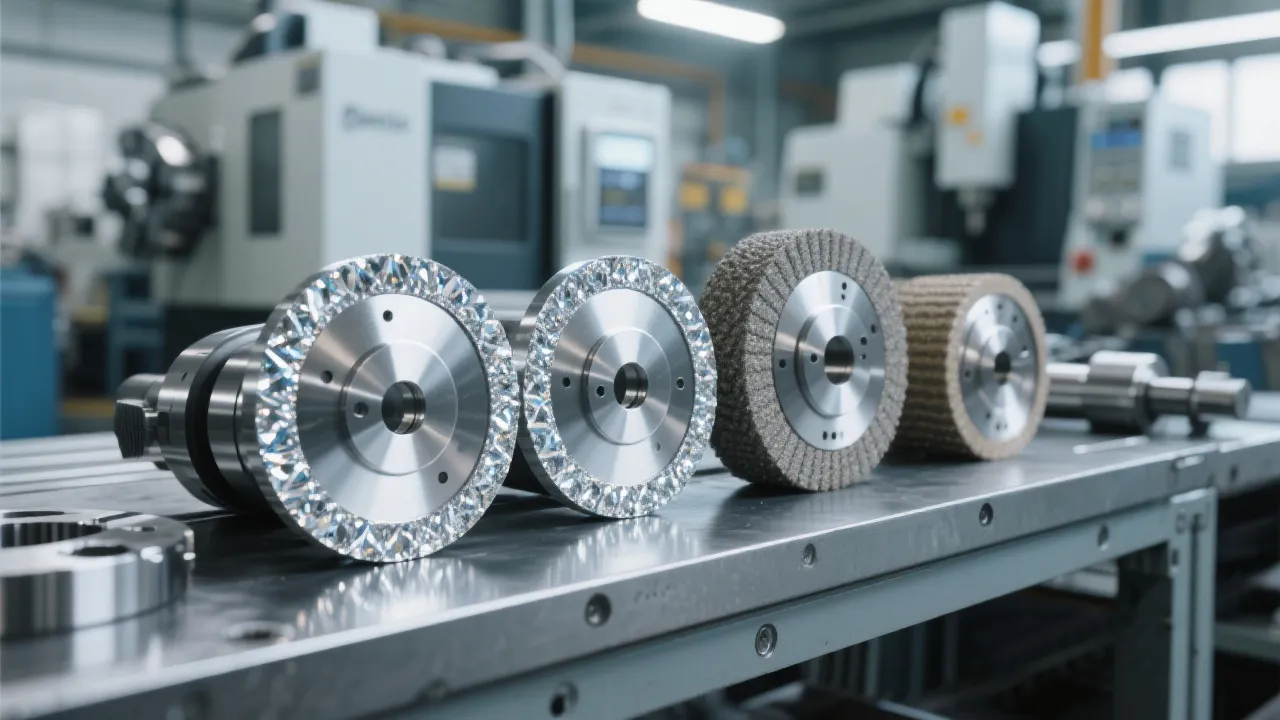
In modern manufacturing, achieving superior wear resistance in high-strength steel mechanical parts remains a critical challenge, especially in automotive and industrial applications. UHD’s advanced diamond grinding technology offers a precision approach, enabling manufacturers to overcome traditional limitations by optimizing key process parameters to reduce thermal damage and micro-cracking. This guide delves into the fundamental mechanisms and practical strategies that elevate the durability and functional lifespan of critical components such as engine blocks and bearing sleeves.
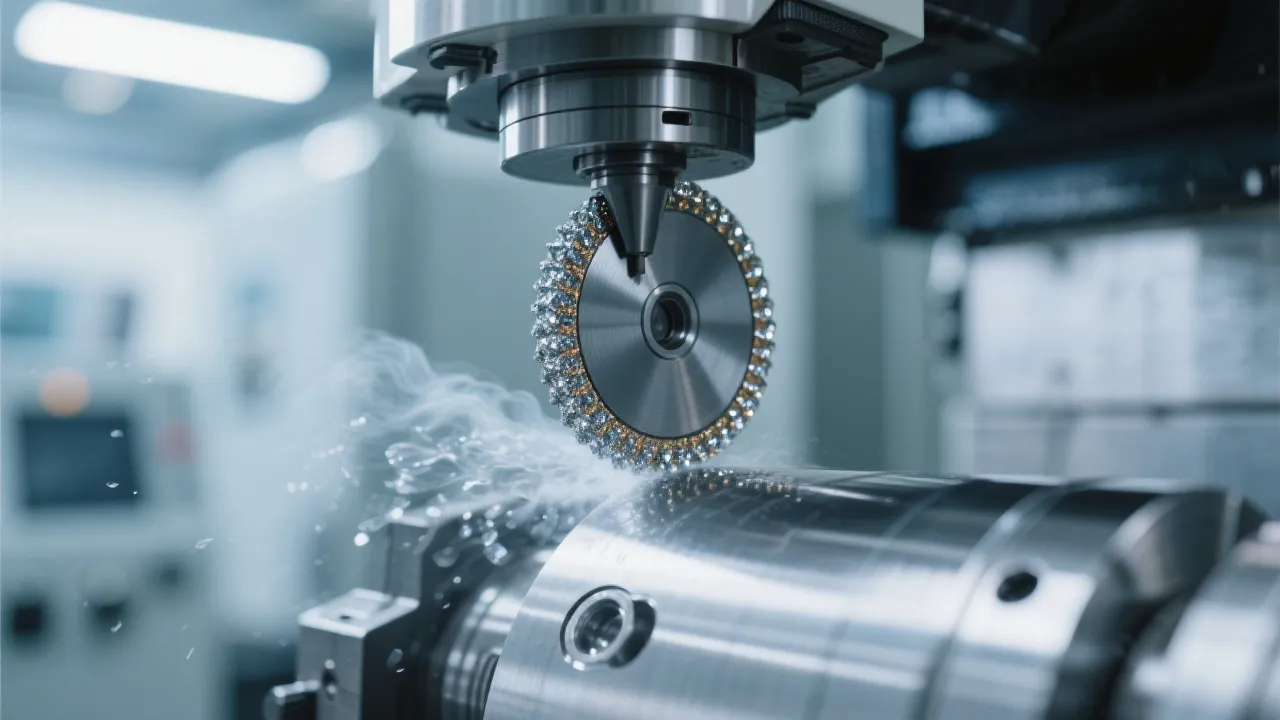
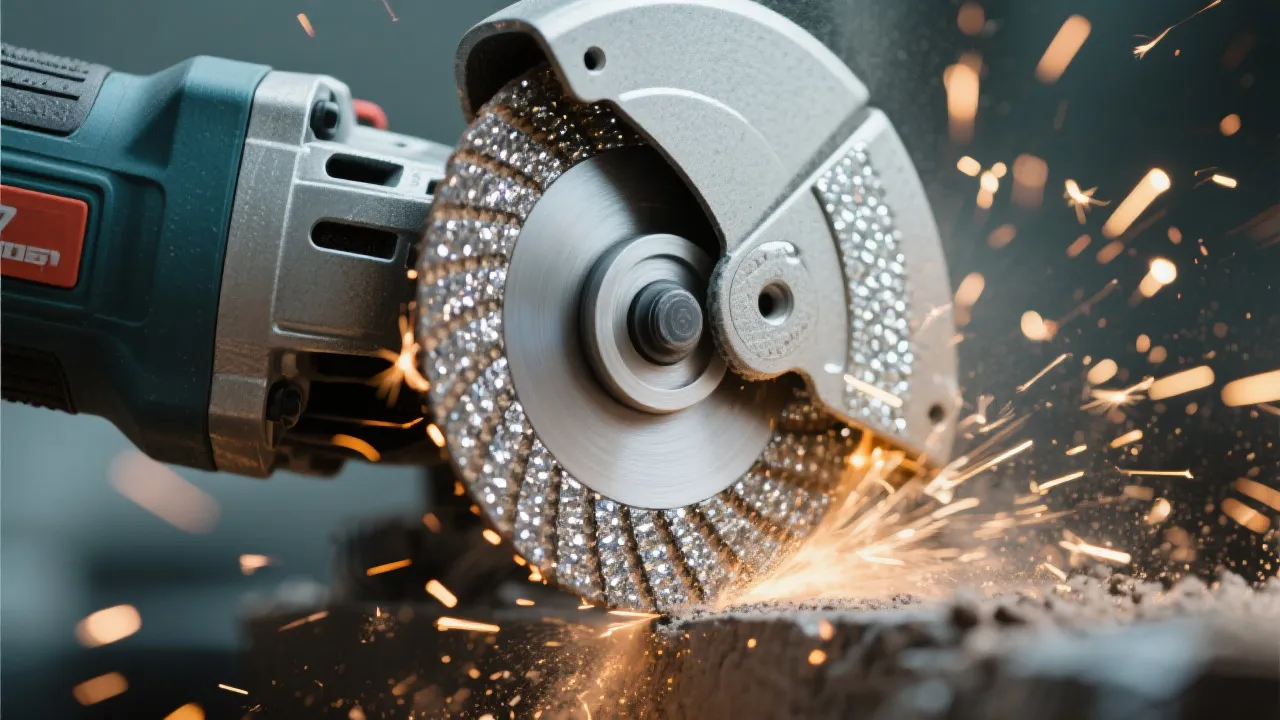
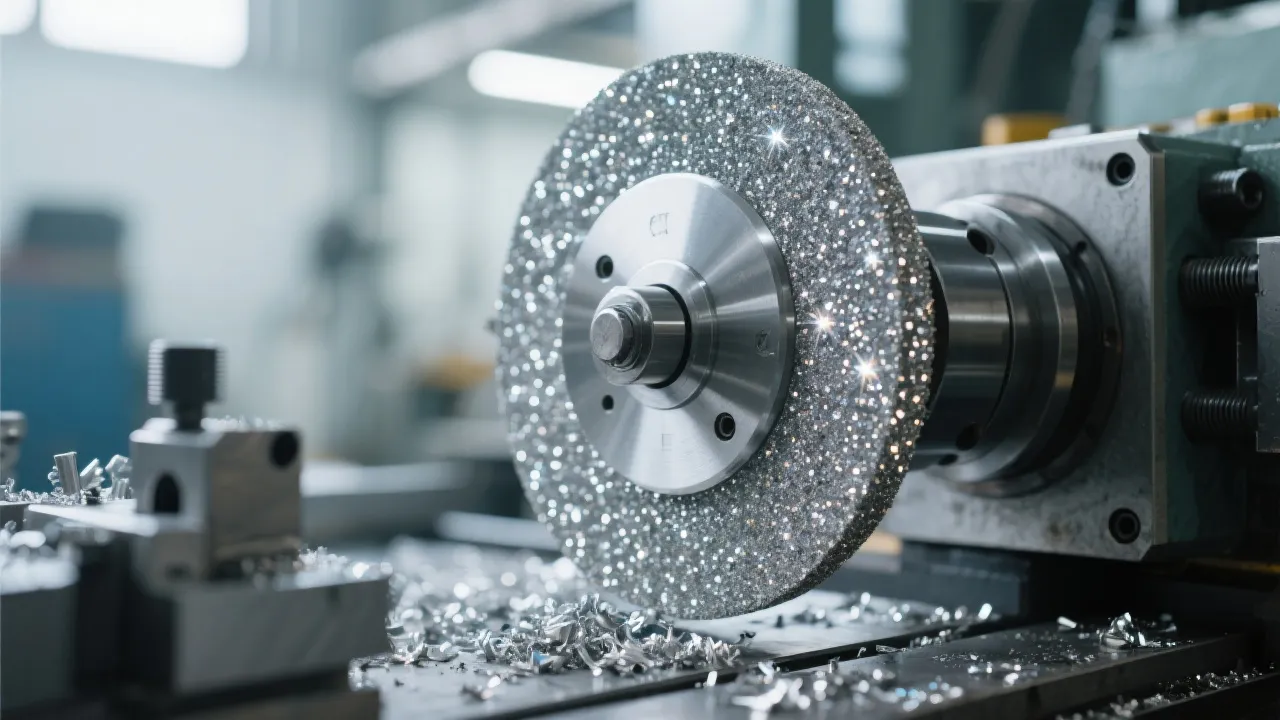
Diamond abrasives possess superior hardness and thermal conductivity compared to conventional grinding materials. The fundamental cutting action involves micro-cutting and plowing with nano-scale abrasives, which minimizes plastic deformation and reduces surface tensile stresses. Unlike traditional abrasives, diamond tools efficiently dissipate heat, thereby mitigating thermal softening and oxidation on the steel surface.
The interaction between the diamond grit geometry, wheel velocity, and feed rate defines the grinding forces and resultant surface topography. Optimizing these parameters ensures a uniform removal rate, enhancing the surface integrity critical to wear resistance. Engineering experiments indicate that maintaining a wheel surface speed of 30-40 m/s and a feed rate within 0.5-1.5 mm/min achieves a balance between material removal efficiency and thermal control.
Thermal damage during grinding significantly impairs component longevity by inducing micro cracks and phase transformations. UHD’s research highlights three vital parameters for controlling heat generation:
Additionally, employing proper coolant flow rates and nozzle orientation significantly mitigates heat-affected zones. Studies reveal a 25% reduction in micro-crack density when coolant systems maintain turbulent flow at 8-10 L/min directed precisely on the grinding zone.
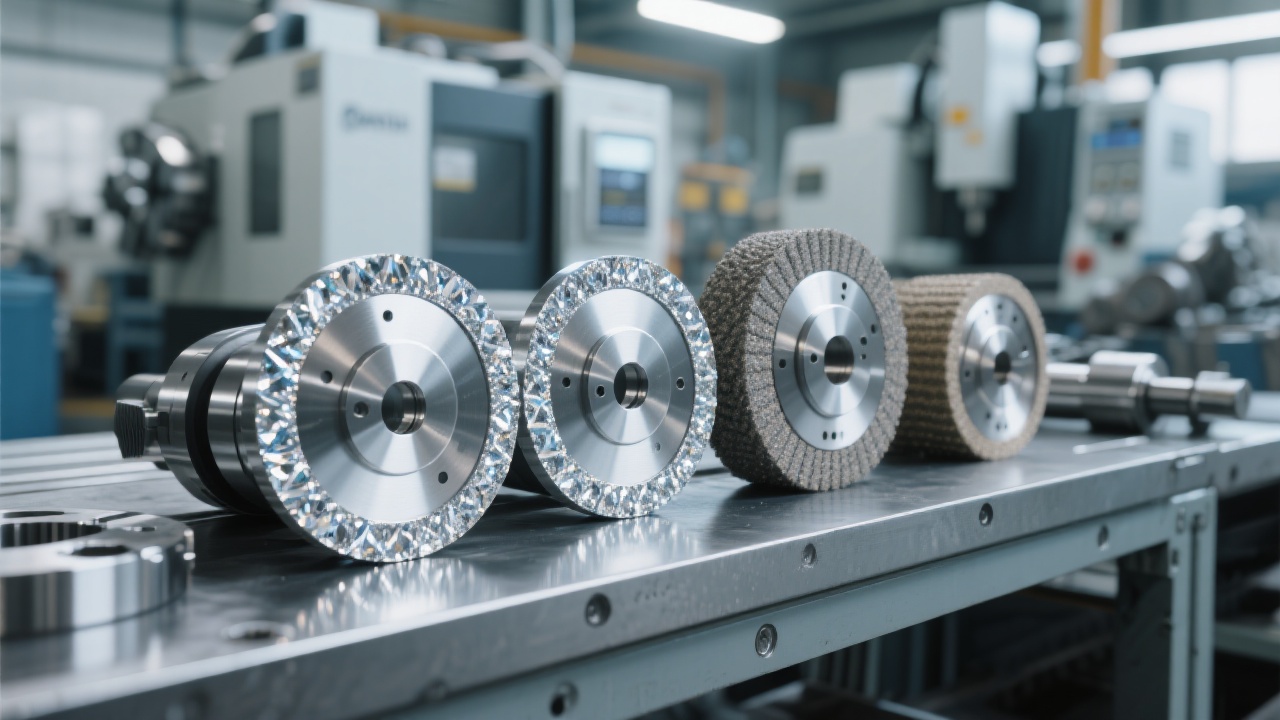
The automotive industry exemplifies the benefits of UHD’s diamond grinding techniques through extensive applications on engine cylinder blocks and bearing sleeves:
Cylinder blocks require ultra-precise surface finishes to ensure optimal piston sealing and heat dissipation. UHD’s diamond grinding process reduces surface roughness (Ra) to below 0.2 µm, resulting in a 40% improvement in wear resistance compared to conventional grinding wheels. Moreover, the process reduces lubricant consumption by 18% due to enhanced surface integrity.
Bearing sleeves benefit from the elimination of micro-cracks and improved dimensional accuracy enabled by diamond grinding. Precision control of process parameters resulted in a notable 35% increase in operational lifespan and a 22% reduction in maintenance downtime during field trials.
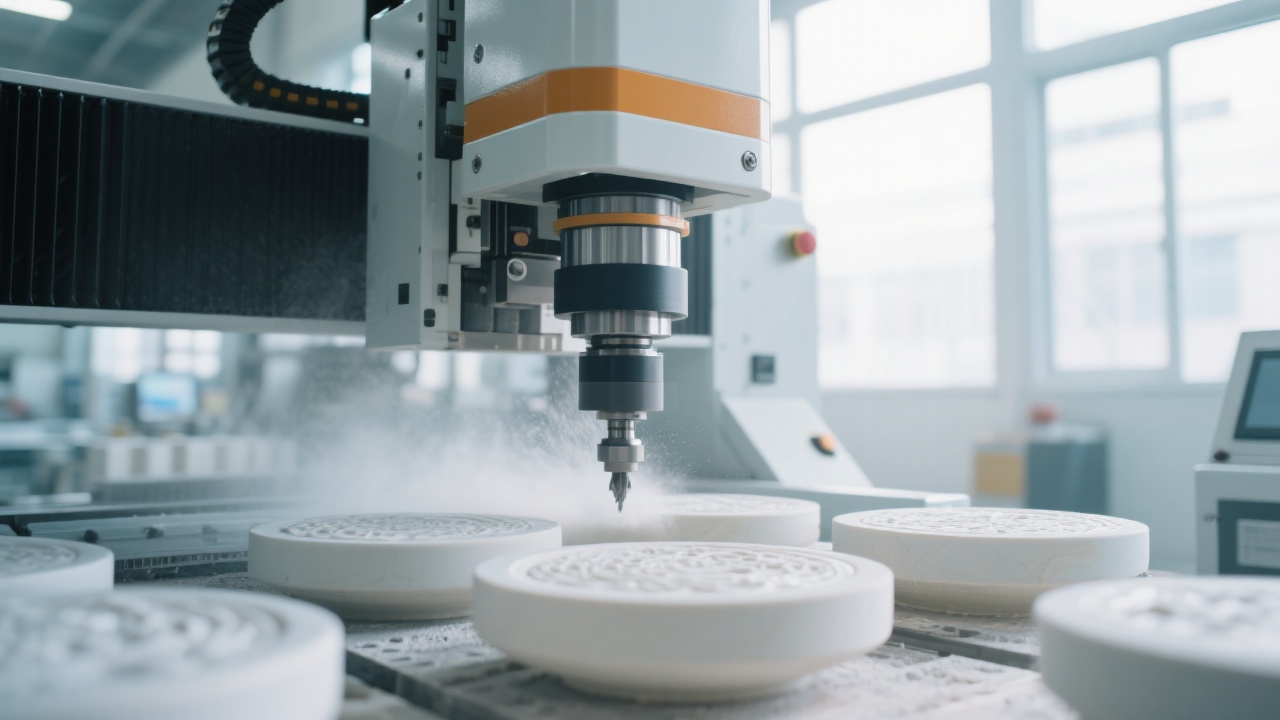
High-strength steels’ microstructures are sensitive to thermal and mechanical stresses. Diamond grinding preserves the tempered martensitic structure by minimizing grinding-induced phase transformations. Real-time monitoring of grinding forces and vibration facilitates adaptive process adjustments, effectively protecting surface and subsurface integrity.
UHD recommends integrating inline acoustic emission sensors and temperature probes into production lines, enabling engineers to detect anomalies early and adjust wheel speed or feed rate. Such advanced control strategies have shown to reduce defect rates by approximately 30%.
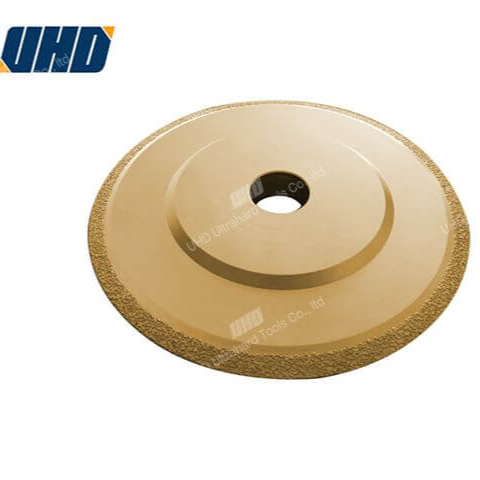
To maximize the benefits of diamond grinding, operators should ensure:
Troubleshooting common issues such as burn marks, micro-cracks, or excessive wheel wear often involves re-evaluating feed rates and coolant application angle. UHD’s comprehensive application handbooks provide detailed diagnostic flowcharts, streamlining the problem-solving process for field engineers.

.png?x-oss-process=image/resize,h_1000,m_lfit/format,webp)