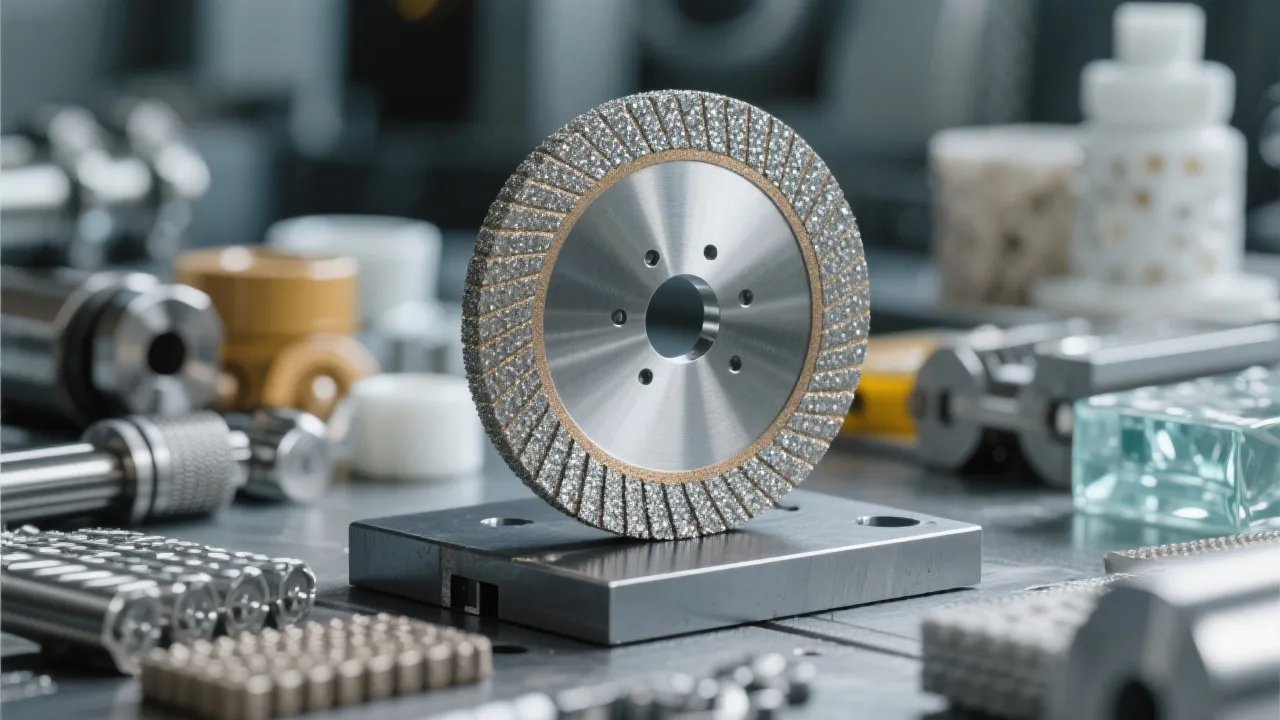
Diamond Grinding Cup Wheel Wear Mechanisms in Stainless Steel Precision Grinding: In-Depth Analysis and Life Extension Strategies
23 03,2026
UHD
Technical knowledge
This article presents a comprehensive analysis of the primary wear mechanisms affecting diamond grinding cup wheels during stainless steel precision grinding, including grain pull-out, bond layer failure, and thermal stress cracking. By examining microstructural changes under high-temperature and high-pressure conditions, it explains the premature tool failures common in conventional setups. Practical recommendations on optimizing feed rates, coolant selection, and equipment compatibility are detailed. A real-world case study illustrates how early wear detection through vibration monitoring and surface roughness variation enabled a tool life increase exceeding 30%. Engineering-focused preventive maintenance approaches integrating process design with real-time monitoring are emphasized to enhance surface finish quality while reducing overall processing costs. The insights aim to equip engineers and production managers with data-driven strategies for effective tool management in industrial diamond grinding applications.
In-depth Analysis of Diamond Grinding Bowl Wheel Wear Mechanisms in Stainless Steel Precision Grinding
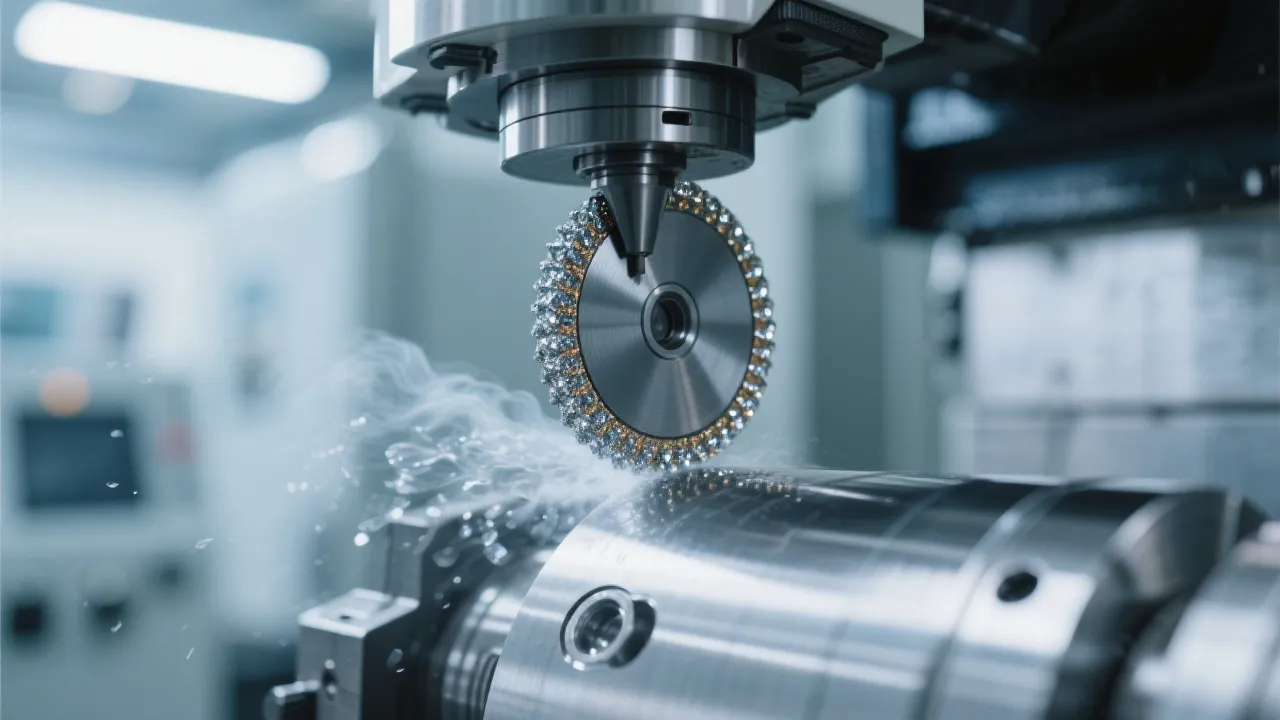
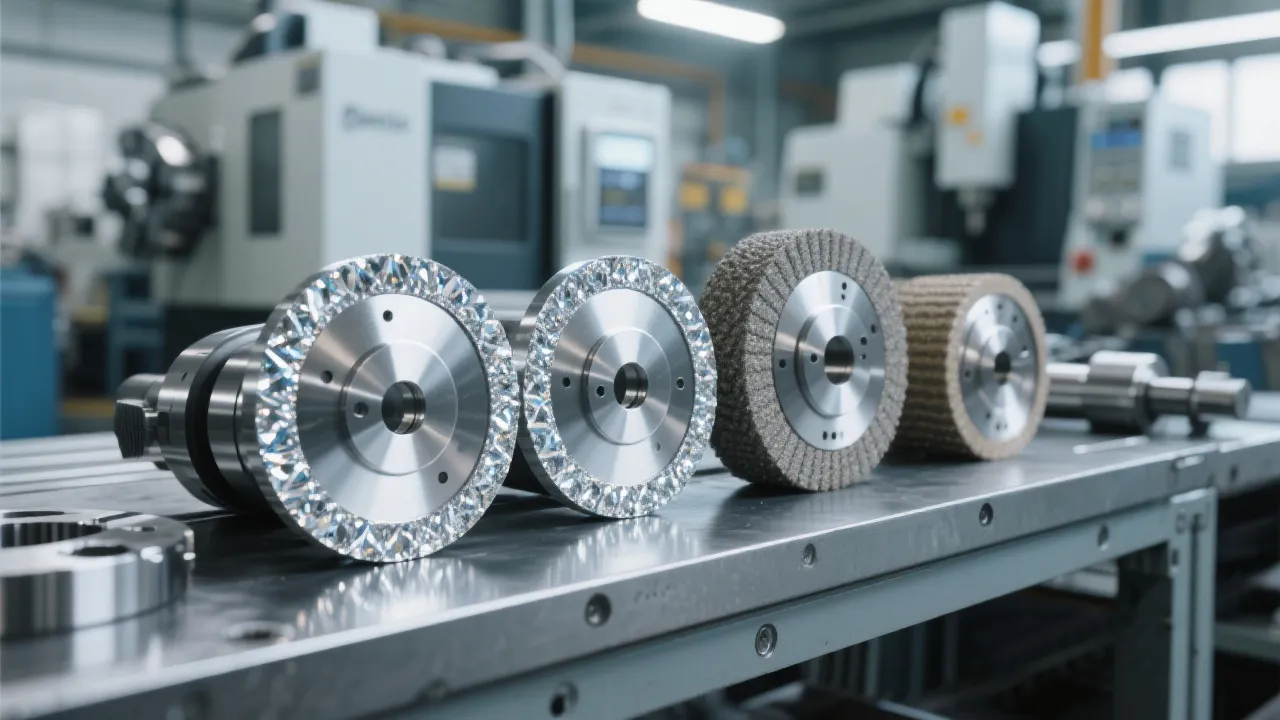
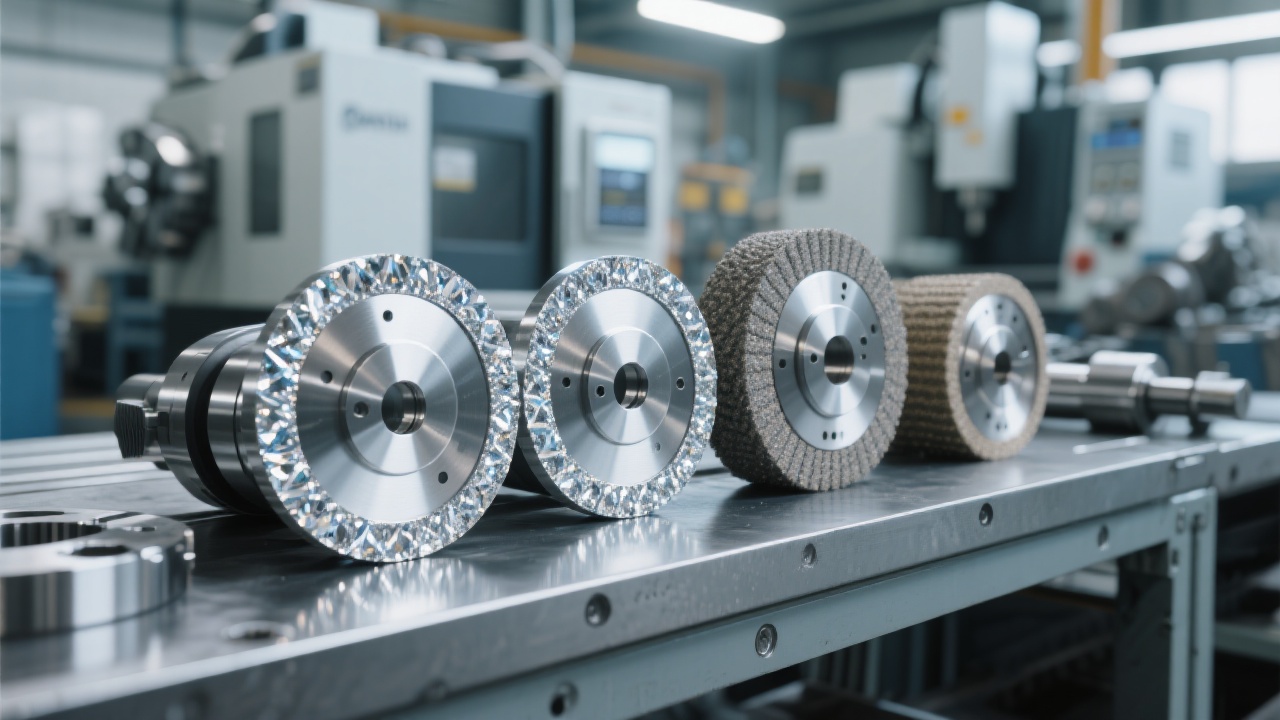
In the realm of stainless steel precision grinding, the integrity and lifespan of diamond grinding bowl wheels serve as a cornerstone for both product quality and operational efficiency. UHD’s continuous exploration into the diamond grinding bowl wheel wear mechanisms reveals that premature tool failure is mainly attributed to micro-wear phenomena such as abrasive particle detachment, bond matrix degradation, and thermally induced microcracks. Understanding these mechanisms is critical for engineers and production managers seeking to reduce downtime, improve surface finish, and optimize costs.
Primary Wear Types and Their Physical Origins
The degradation of diamond grinding bowl wheels occurs predominantly in three modes:
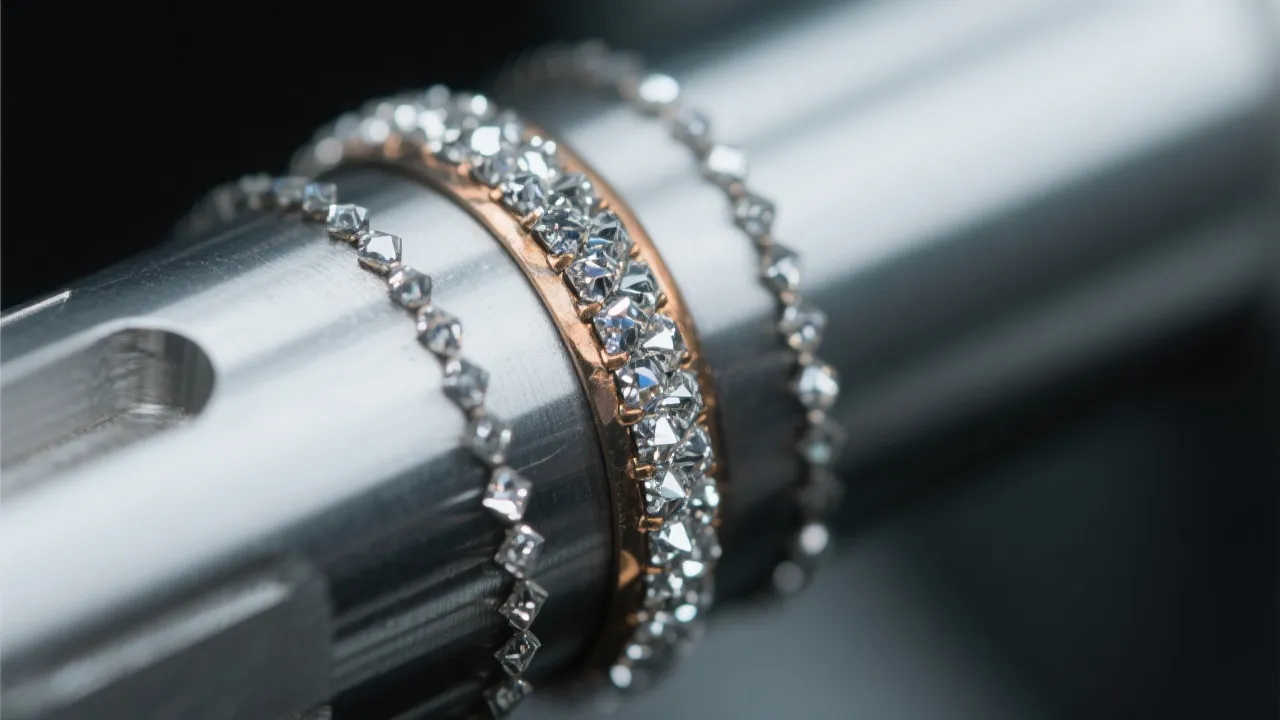
Particle Detachment: The loss of diamond abrasives due to mechanical stresses and insufficient bonding strength results in surface roughness spikes and decreased grinding efficiency.
Bond Matrix Failure: The deterioration or cracking of the metallic or resin bond layer compromises abrasive retention, often accelerated by cyclic loading and chemical interactions during stainless steel machining.
Thermal Stress Cracking: High friction and localized temperature gradients generate microcracks, which propagate under cyclic thermal stresses, leading to early tool breakdown.
Microstructural Changes Under High-Temperature and Pressure Conditions
Under intense temperature and pressure, the diamond particles undergo microstructural alterations, including graphitization and phase transformation, which reduce hardness and fracture toughness. These transformations degrade the tool’s cutting capability well before its expected service life, as UHD’s metallurgical investigations have detailed. The traditional grinding wheels without sufficient thermal management often show premature failure within 20-25% of their rated lifespan.
Actionable Parameter Optimization for Enhanced Tool Lifespan
UHD’s research efforts emphasize actionable grinding parameter adjustments to delay wear and enhance tool durability:
Feed Speed Recommendations: Optimal feed rates of 0.035–0.05 mm/rev balance material removal rate with thermal load reduction, minimizing abrasive particle stress.
Coolant Selection: Using high-performance oil-based coolants with additives designed for ultra-hard material tool applications greatly reduces thermal stress cracking.
Equipment Compatibility: Machinery equipped with vibration damping and advanced cooling circulation systems ensure uniform temperature distribution during grinding.
Case Study: Extending Tool Life Beyond 30%
A featured UHD client in precision component manufacturing utilized online vibration monitoring and surface roughness tracking to detect early wear signals such as abnormal vibration spikes and sudden roughness variation. By promptly adjusting feed speed and switching coolant types accordingly, the tool life improved by over 30%, a significant gain validated by in-process metrology.
Does your grinding tool exhibit similar early wear symptoms? Timely detection can be a game-changer.
Systematic Maintenance: From Process Design to Online Monitoring
UHD advocates for an engineering-driven maintenance strategy encompassing:
Integrating wear mechanism knowledge into cutting process improvement to preempt failure modes.
Implementing condition-based monitoring with sensors for vibration and temperature to identify deviations in real-time.
Continuous optimization of grinding parameters dynamically adjusted per tool state, significantly reducing unplanned downtime.



.png?x-oss-process=image/resize,h_1000,m_lfit/format,webp)