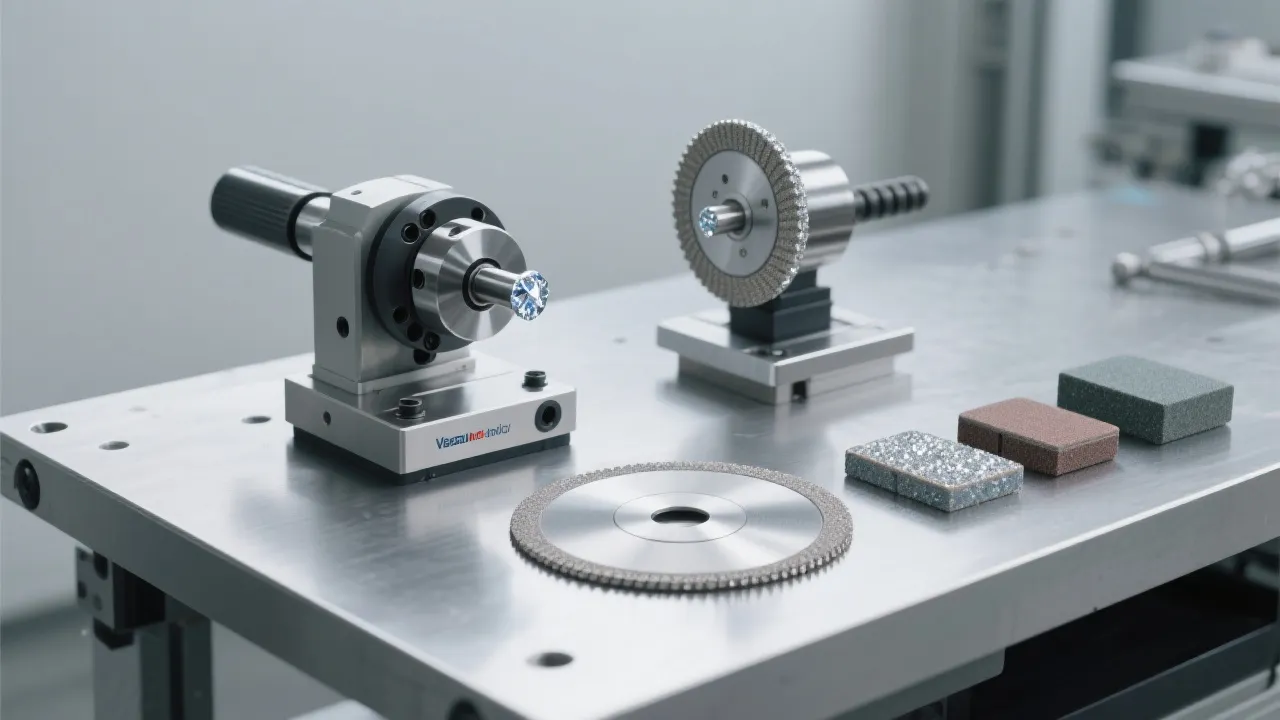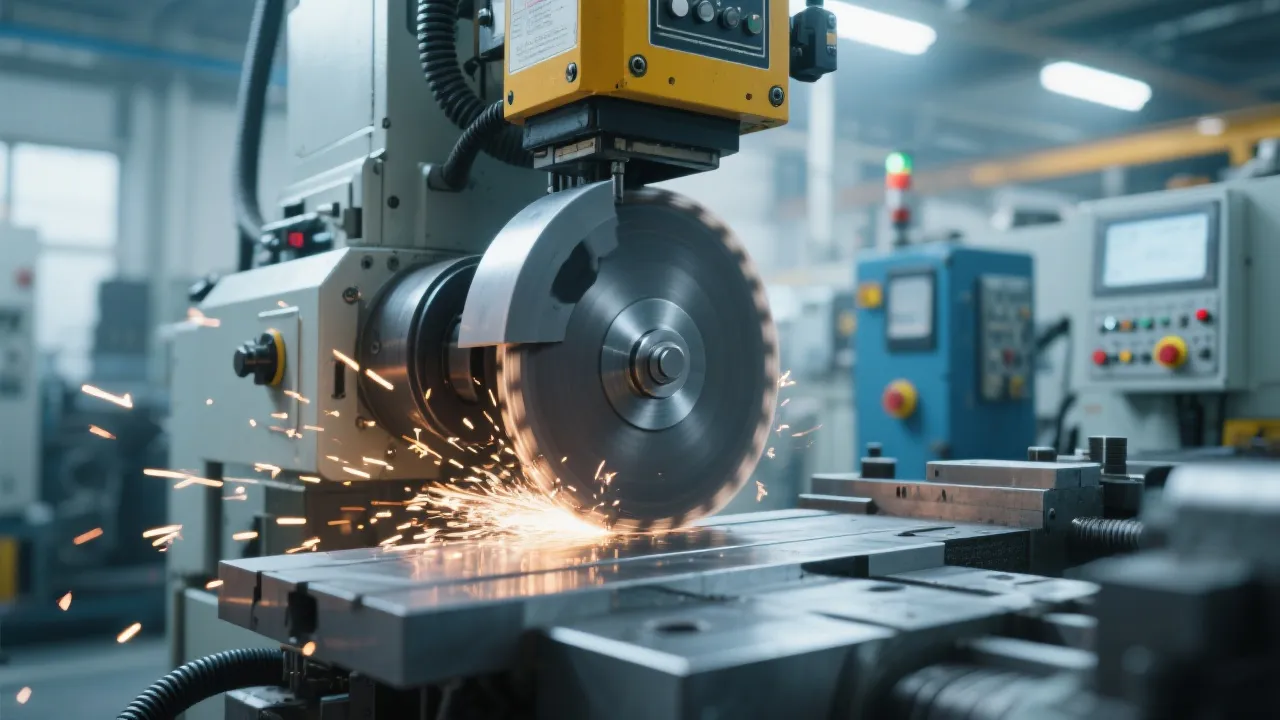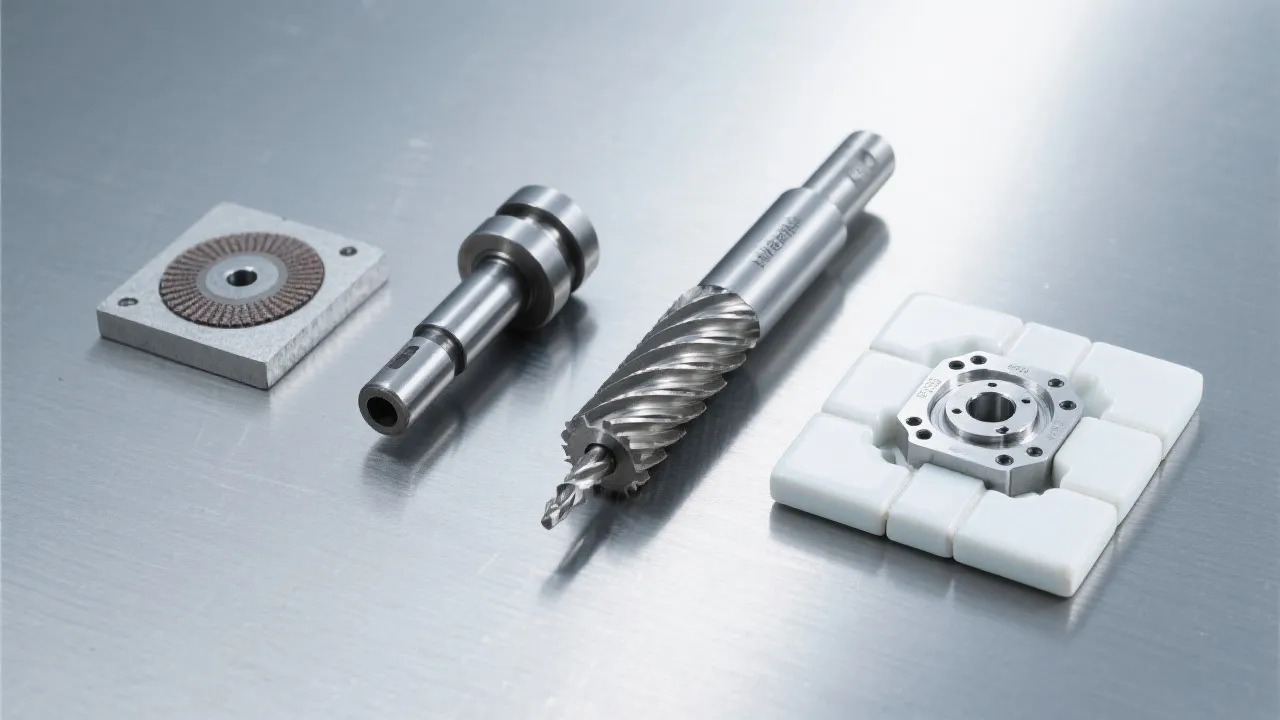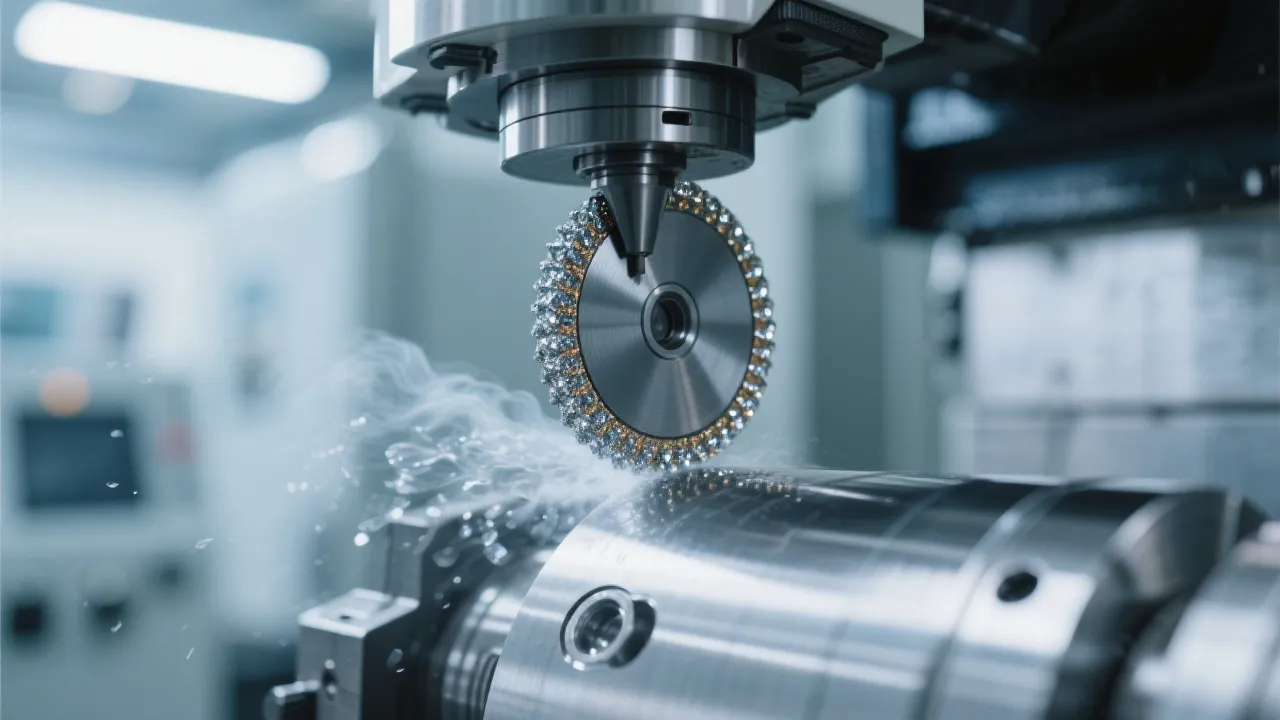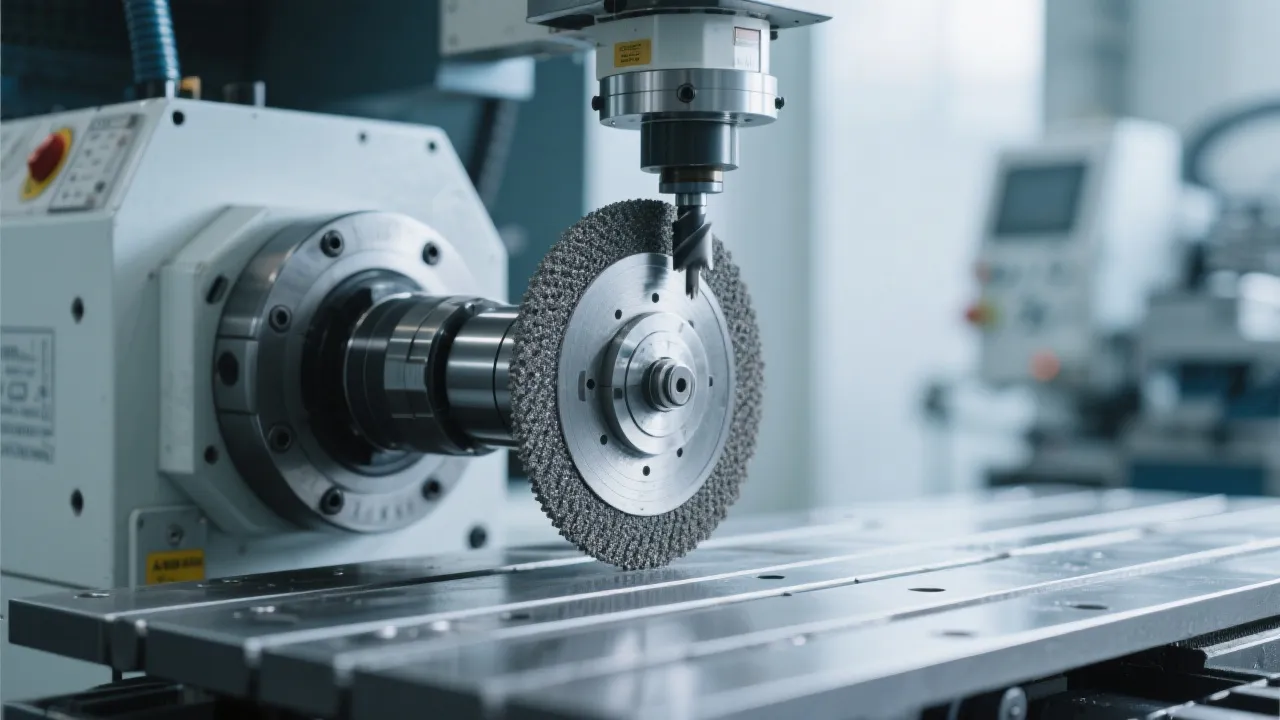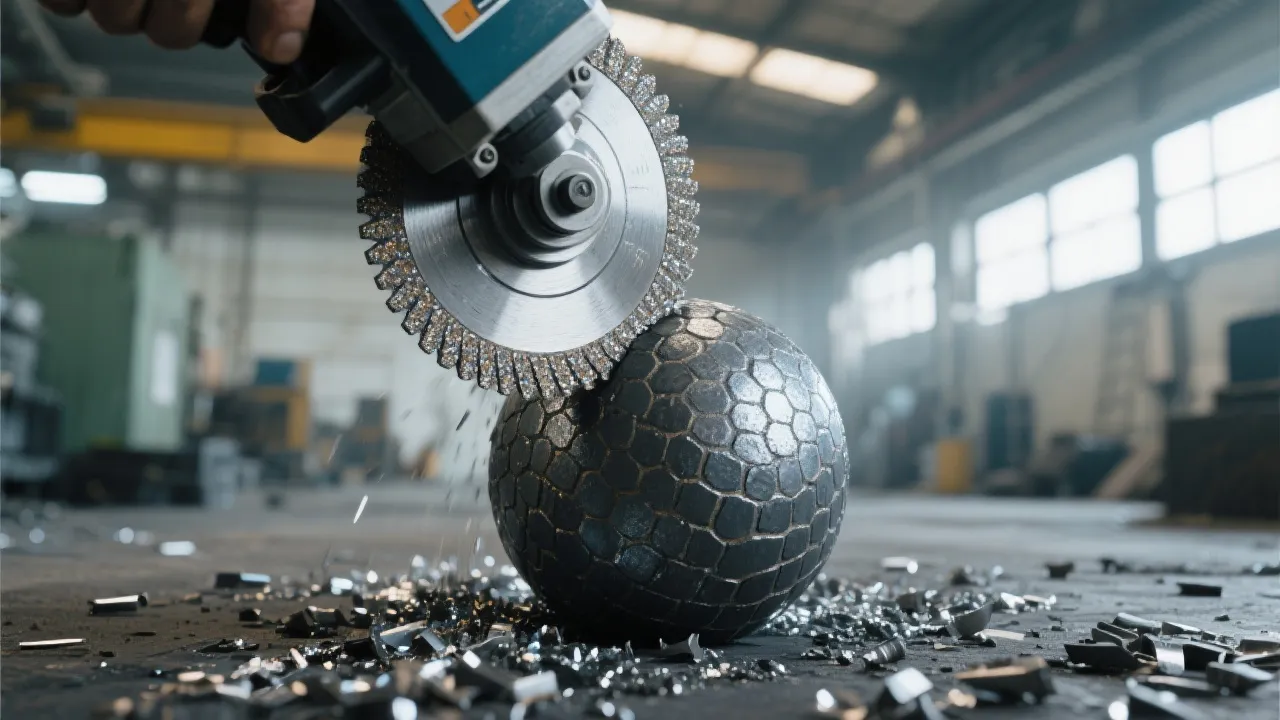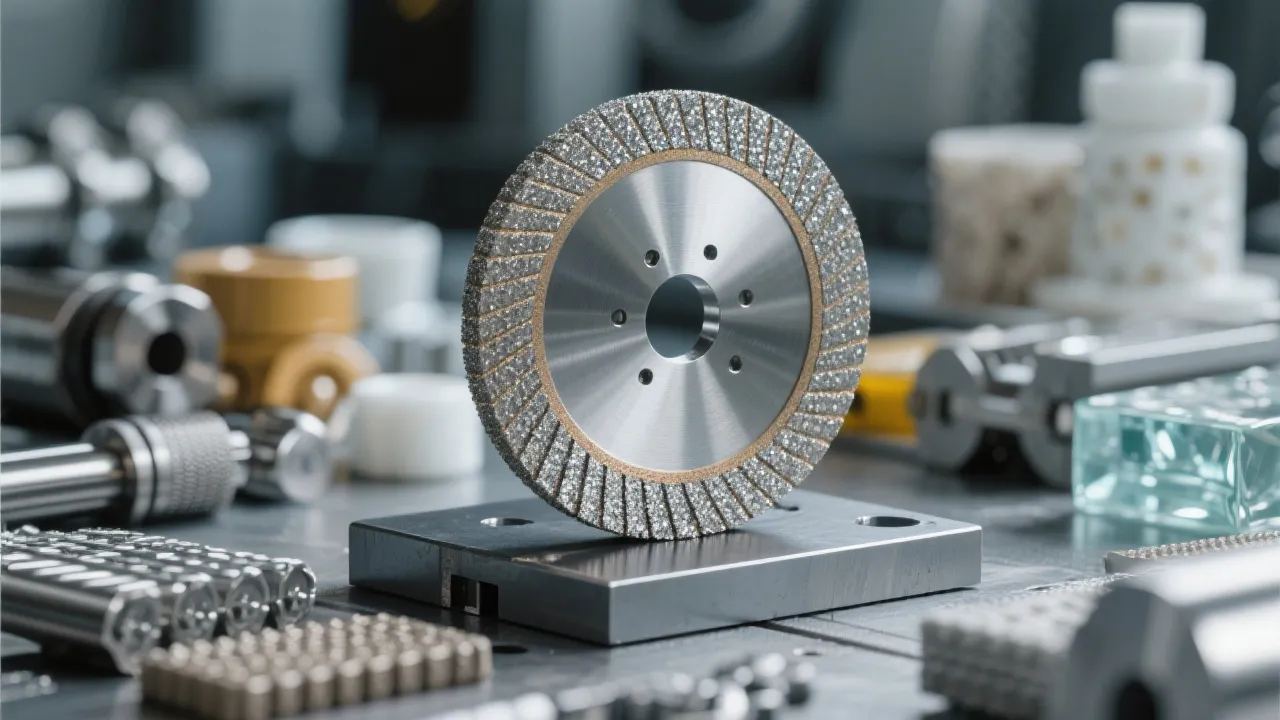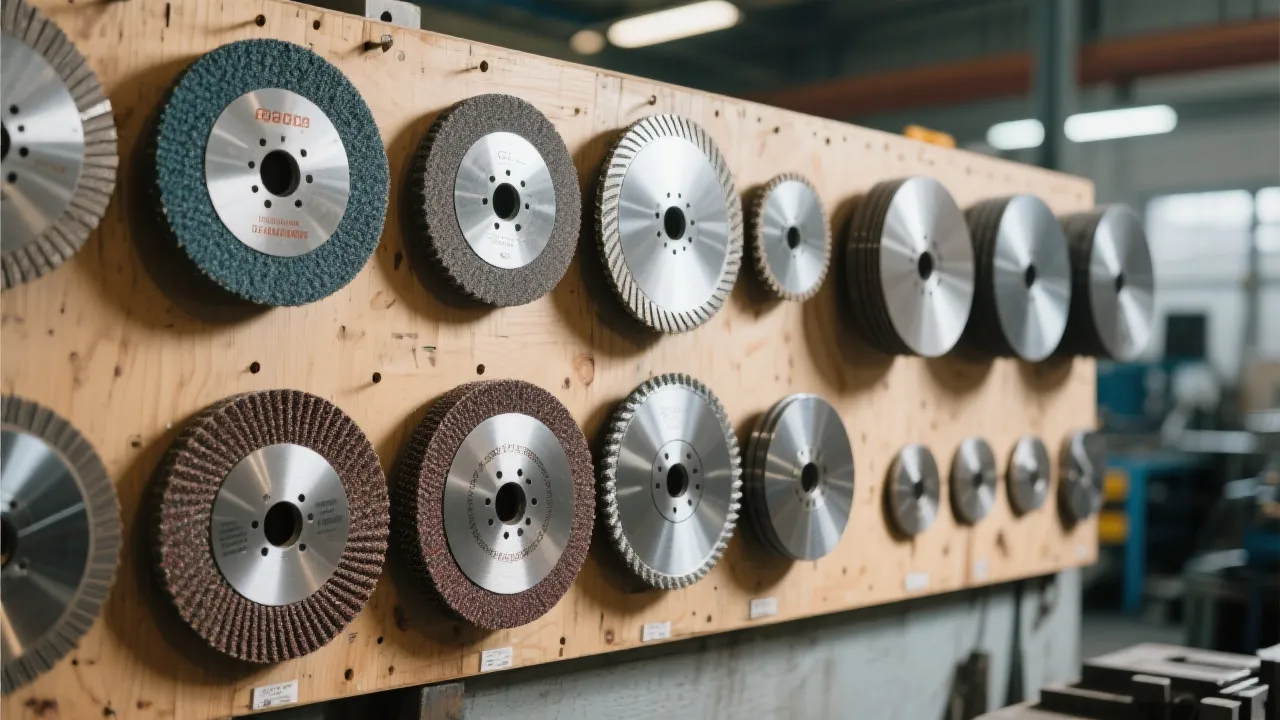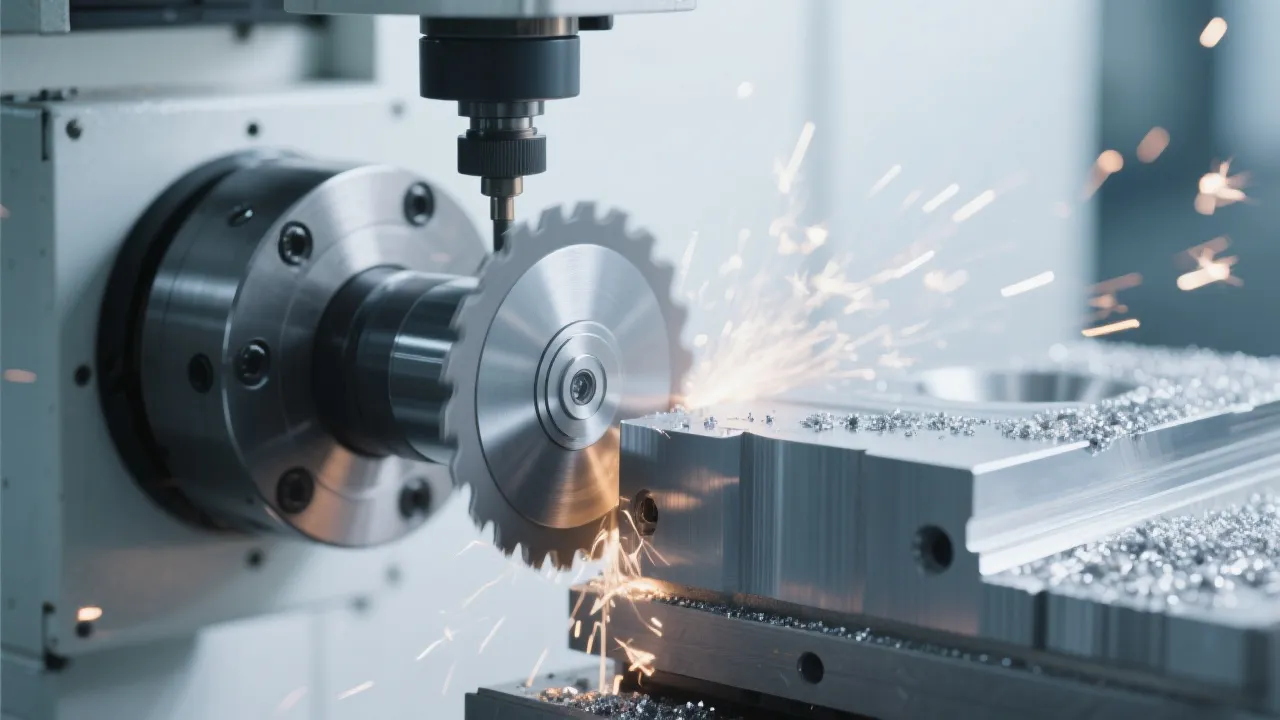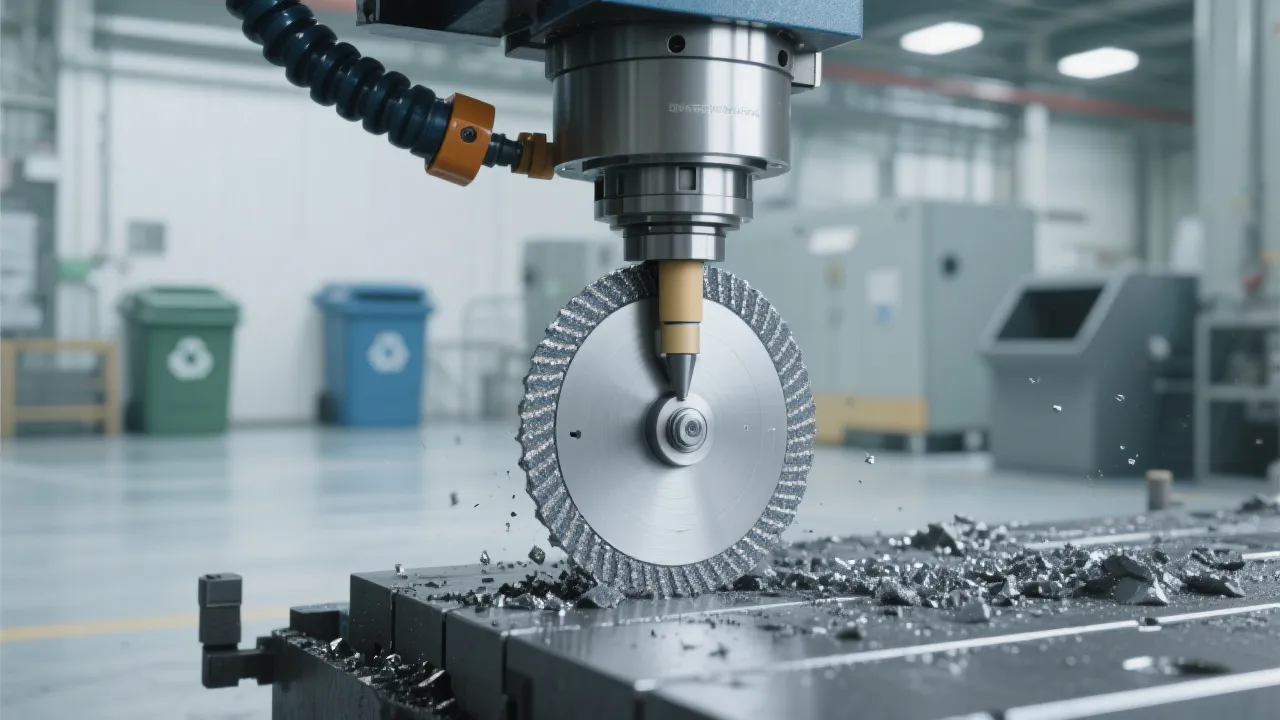
Diamond cutting blades are indispensable tools in modern metal processing, prized for their precision and efficiency. However, their safe use demands rigorous attention to prevent critical hazards such as high-speed breakage, dust exposure, and eccentric vibrations. This guide, tailored for manufacturing frontline operators and safety managers, presents an evidence-based approach rooted in industry standards and real-world experience, to elevate operational safety, reduce incidents, and enhance production performance.
The rotating speeds of diamond cutting blades can reach upwards of 12,000 RPM or more, amplifying the stresses imposed on the blade structure. The principal risks of breakage arise from:
From a safety management perspective, consistent adherence to maximum RPM ratings and mandatory pre-use inspections for visible blade damage are critical control points. Regular replacement schedules aligned with blade fatigue characteristics can reduce breakage incidence by up to 40%, as field studies indicate.
Cutting metal with diamond blades generates fine particulate dust, comprising metallic and abrasive particles that pose a serious respiratory hazard. Exposure to dust particles below 10 microns (PM10) can lead to occupational diseases including pneumoconiosis and chronic bronchitis.
Implementing effective dust collection systems integrated with local exhaust ventilation (LEV) reduces airborne particulate concentrations by over 75%. Additionally, enforcing the use of certified respiratory protective equipment (RPE) such as N95 or higher standard masks is vital, especially in confined or poorly ventilated areas.
Improper installation or unbalanced mounting of diamond cutting blades can induce eccentric vibrations, leading to:
Precision torque tools and balancing fixtures, when used during blade installation, minimize these effects. It's recommended to perform vibration analysis on new setups, especially when blade replacement or maintenance occurs.
Selecting appropriate machinery compatible with the diamond blade specifications significantly influences safety outcomes. Equipment should:
Employing clamps with vibration dampening materials further reduces the operational risk of blade instability.
The correct use of personal protective equipment (PPE) is non-negotiable. Operators must don:
Regular PPE training and spot audits ensure continuous compliance and operator safety.
A structured daily inspection protocol is paramount for early detection of aging and fatigue failure indicators. Key inspection points include:
| Inspection Item | Key Criteria | Action Required |
|---|---|---|
| Blade Surface Integrity | No visible cracks or chipping | Remove and replace if defects found |
| Clamping Fixture Tightness | Secure with no play | Retighten or repair clamps |
| Blade Runout | Within manufacturer tolerance (typically ≤ 0.15 mm) | Balance or replace blade |
Encouraging dialogue between frontline operators and safety management establishes a proactive safety culture. Sharing real-time operational feedback, near-miss reports, and safety improvement suggestions creates mutual awareness and accelerates the adoption of safety protocols.
Q1: How often should diamond cutting blades be inspected for safety?
A: Daily visual checks prior to use, with comprehensive inspections monthly or after 100 operational hours, whichever comes first.
Q2: What is the recommended maximum safe speed for a 300 mm diameter diamond blade?
A: Typically 6,600 to 7,650 RPM, but always consult the manufacturer’s specifications.
Q3: Are wet cutting methods preferable for dust control?
A: Yes. Wet cutting drastically reduces airborne dust but must be balanced with workplace electrical safety considerations.
Engaging in knowledge exchange forums and safety workshops enhances continuous learning and operational excellence.
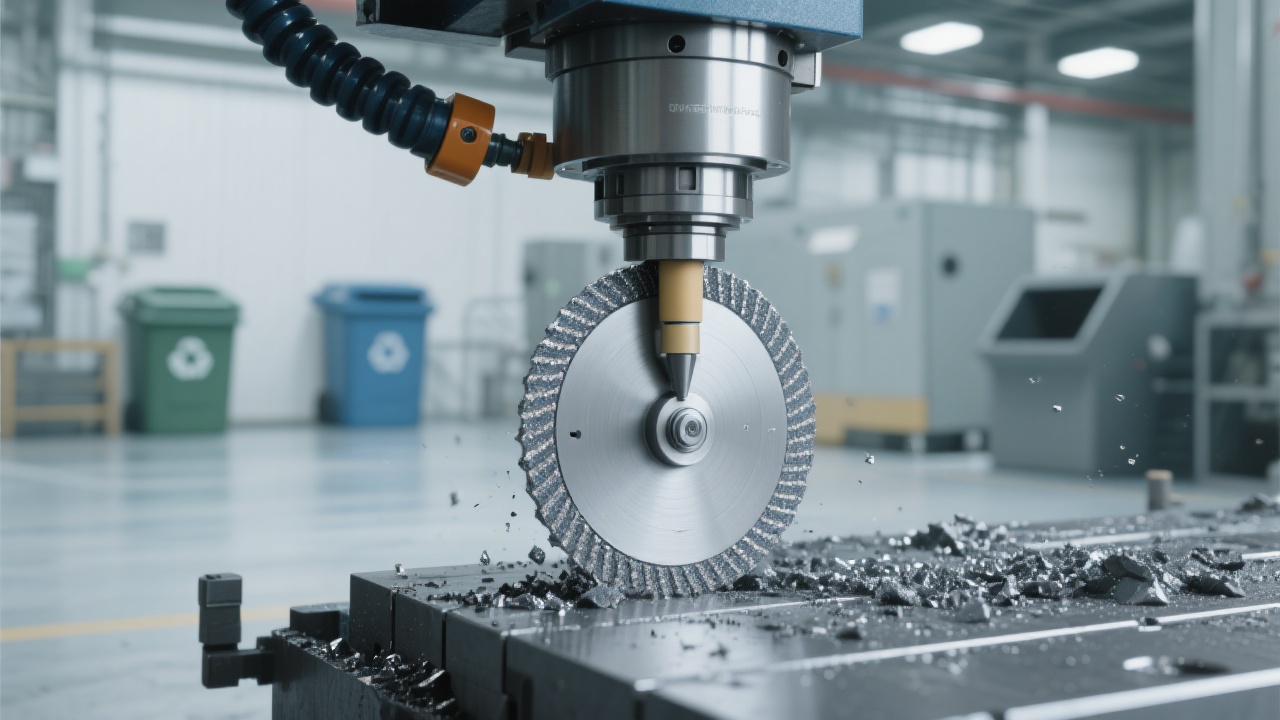
Staying current with evolving international standards such as ISO 525 and ANSI B7.1, alongside embracing innovations like real-time blade condition sensors, further fortifies safety measures and operational reliability.
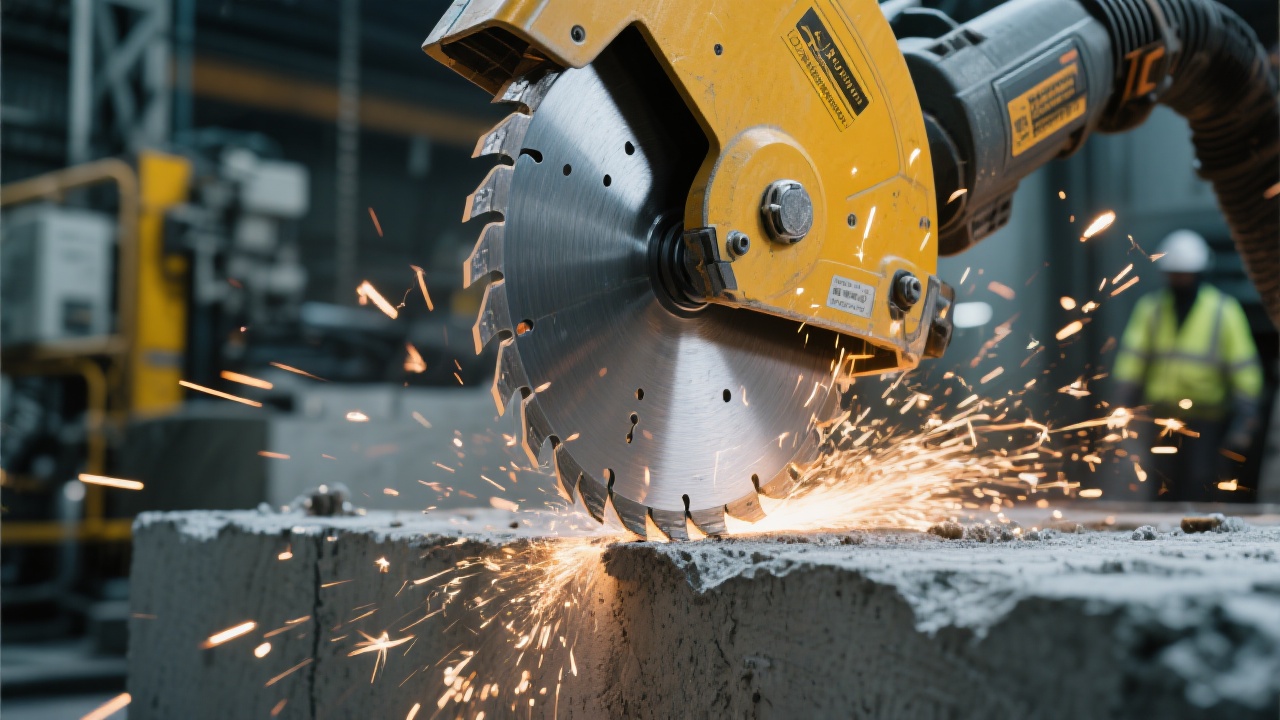
Embedding rigorous safety compliance into diamond cutting blade use not only protects valuable human resources but also reinforces brand reputation and production efficiency. UHD empowers your enterprise with advanced products designed for reliable, safe, and sustainable metal processing operations.
.png?x-oss-process=image/resize,h_1000,m_lfit/format,webp)