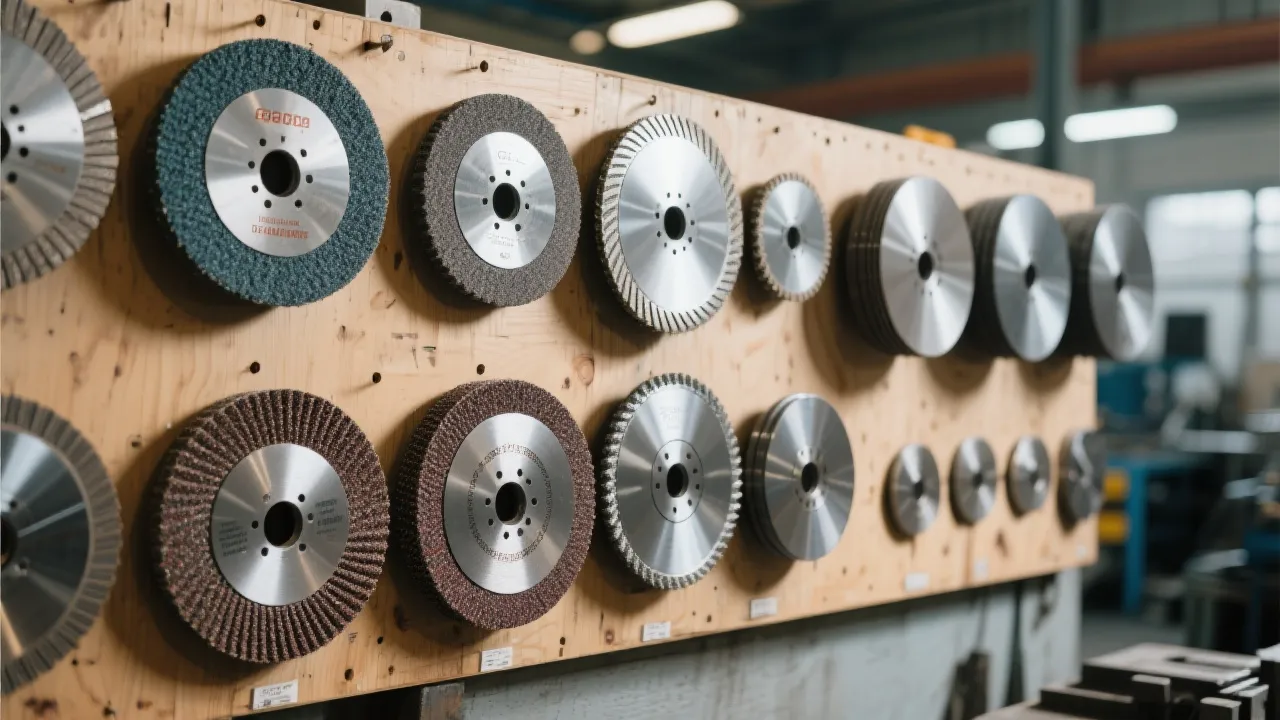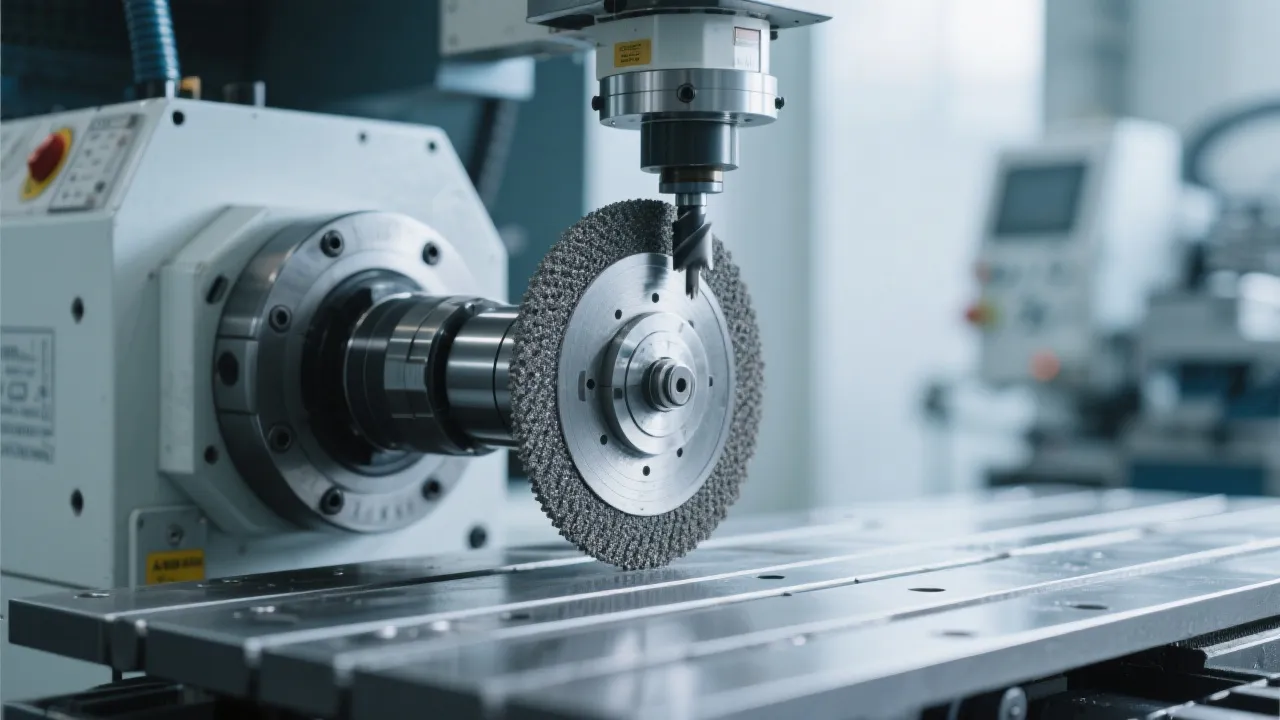
Grinding stainless steel curved surfaces is notoriously complex. You’ve likely faced issues like burn marks, uneven grinding, and short tool life when using traditional flat grinding wheels. If you want to enhance surface quality, grinding stability, and efficiency, understanding why arc-shaped edge grinding cup wheels outperform conventional wheels is key—and how to properly install and operate them can make all the difference.
In your production line, grinding stainless steel curved components often leads to:
These issues increase rework, scrap rates, and downtime, causing frustration—and lost revenue. The root cause often lies in inappropriate grinding tool geometry and insufficient attention to setup details.
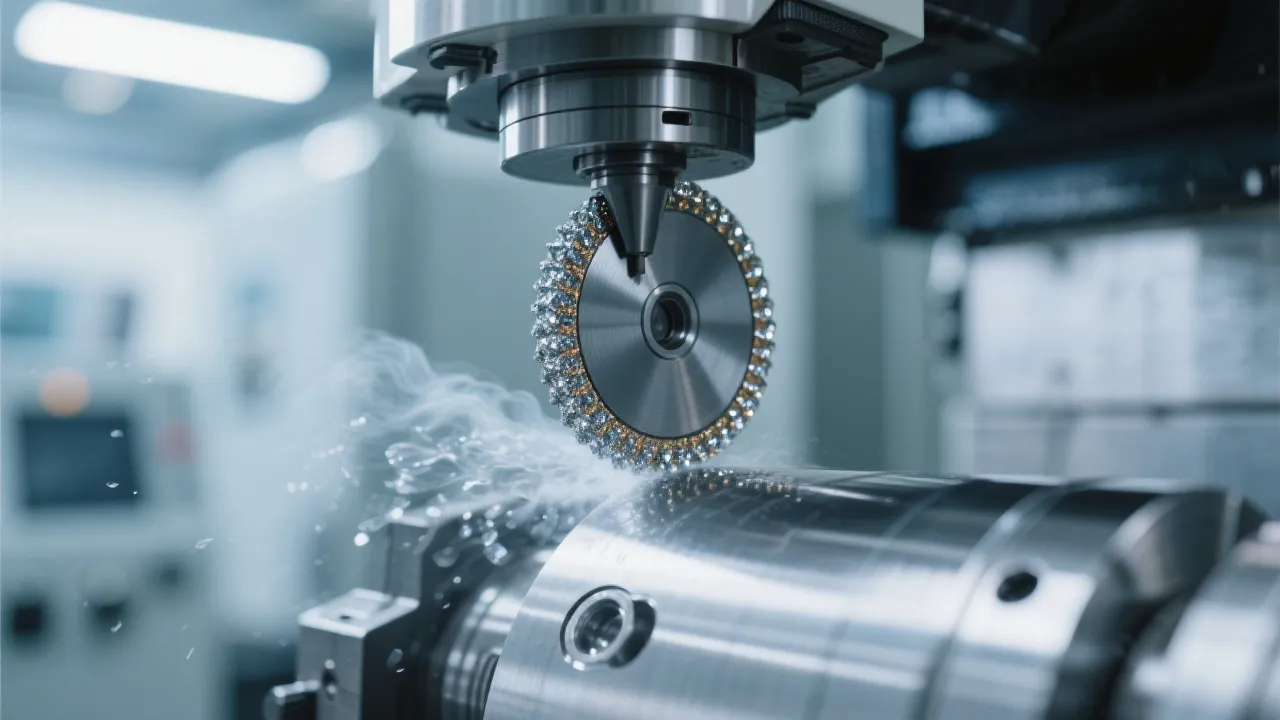
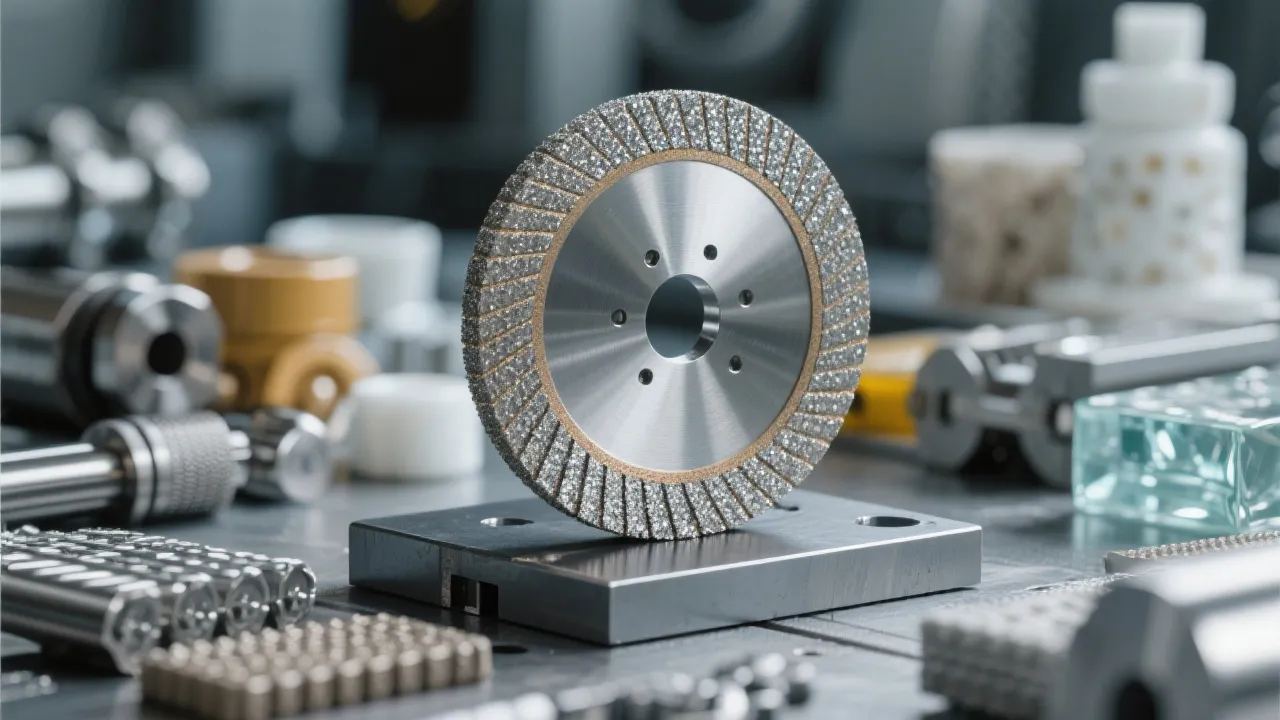
The arc-shaped edge on UHD’s grinding cup wheels redefines the contact dynamics between tool and workpiece. Unlike flat wheels that concentrate stress on smaller points, the arc-shaped design:
This translates into higher throughput and repeatability, especially crucial for precision components in demanding industries like aerospace and medical device manufacturing.
You might own the best grinding wheel, but improper installation can ruin the results. Consider these three essentials:
Excessive clamping force can deform delicate curved parts or distort the wheel shape itself, while insufficient force risks wheel slippage. For example, in a recent medical device project, over-tightening caused part deformation, leading to rejection and delayed delivery. You must calibrate clamping pressure precisely based on part geometry and stiffness.
Spindle eccentricity causes uneven wheel rotation, amplifying vibration and surface irregularities. Use precision dial indicators to adjust run-out within 0.01 mm. This avoids chatter and ensures smooth, consistent grinding.
Implement vibration-damping fixtures and balance your wheel assembly correctly. Reduced vibration increases contact stability and improves overall surface finish quality.
“We initially struggled with stainless steel implant components cracking during grinding. After switching to UHD’s arc-shaped edge wheels and refining our clamping force, tool lifespan increased 35% and surface defects dropped sharply.”
— Quality Engineer, Leading Medical Device Manufacturer
To consistently achieve optimal results with UHD’s arc-shaped grinding wheels, follow this practical Five-Step Grinding Setup Checklist:
By adhering to these steps, you can improve grinding consistency, reduce scrap rates, and extend tool life, ensuring your production runs smoother and more profitably.
Download Your Free UHD “Curved Surface Grinding Five-Step Setup Guide” PDF


.png?x-oss-process=image/resize,h_1000,m_lfit/format,webp)