In precision manufacturing, grinding gray iron and ductile (nodular) cast iron poses unique challenges linked to their distinct microstructures. Thermal stresses during grinding can trigger cracks and surface burns, jeopardizing both yield and operational efficiency. This article delves into how base metal characteristics affect grinding stability, highlighting vacuum brazed diamond grinding wheels as a solution tailored for diverse cast iron types. Practical guidance on diamond concentration, grit size selection, and optimized processing parameters empowers engineers to boost consistency and reduce scrap rates.
Gray iron's graphite flakes embedded within a pearlitic matrix differ fundamentally from the spheroidal graphite in ductile iron, influencing their thermal and mechanical behavior under grinding conditions. Gray iron tends to have lower tensile strength but better thermal conductivity, which helps dissipate heat but increases susceptibility to crack initiation along graphite flakes. Conversely, ductile iron offers higher strength but poorer heat conduction, making it prone to localized overheating that causes surface burns.
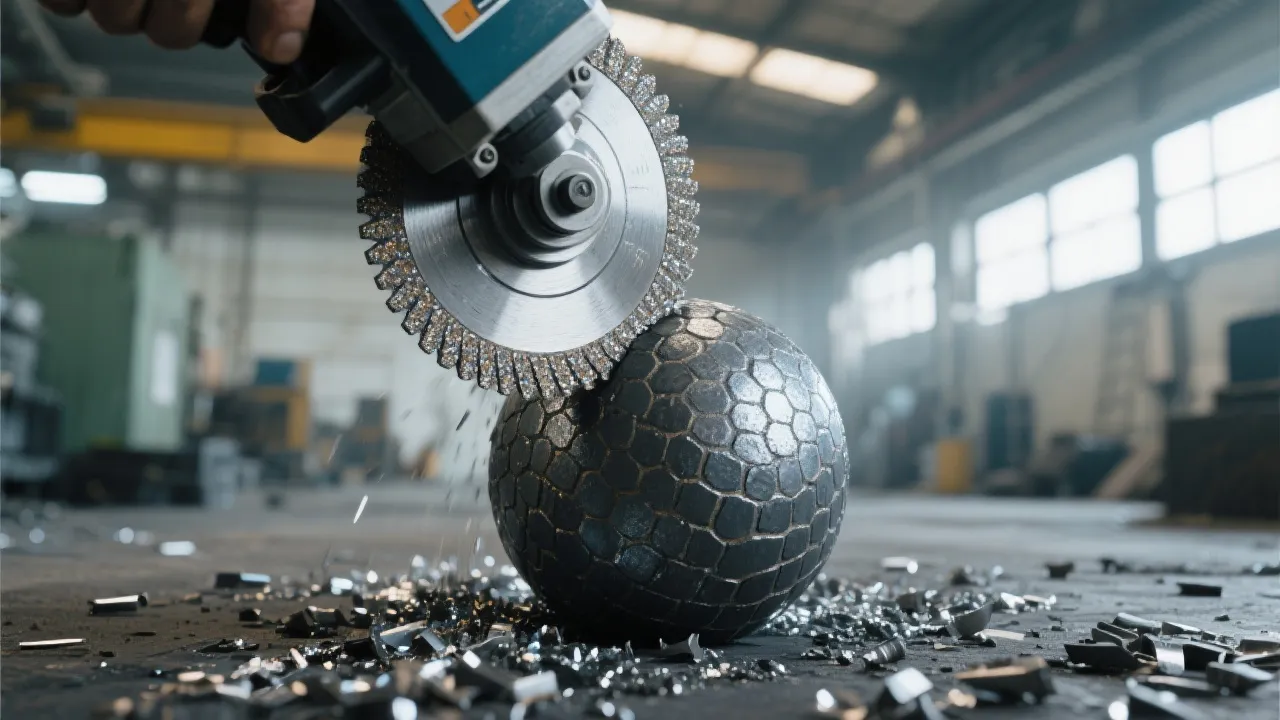
The distinct metal matrix structures create uneven thermal gradients during grinding, leading to stress concentrations. These stresses, when exceeding the fracture toughness, generate cracks visible as micro fissures and occasionally propagate into critical damage zones. Surface burns manifest as discolorations and altered microhardness, reducing component fatigue life.
Efficient heat dissipation is vital to maintain thermal equilibrium during machining. Gray iron’s thermal conductivity typically ranges from 40 to 60 W/m·K, whereas ductile iron often falls below 40 W/m·K due to its tighter graphite structure. This divergence means cooling strategies must adapt accordingly—gray iron benefits more from moderate coolant flow, while ductile iron requires higher flow rates or specialized coolants to prevent overheating.
Furthermore, the tensile strength difference (gray iron generally 150–250 MPa; ductile iron 350–500 MPa) influences crack initiation thresholds. Grinding parameters must, therefore, carefully balance material removal rates and contact stress, curbing mechanical-induced microfractures.
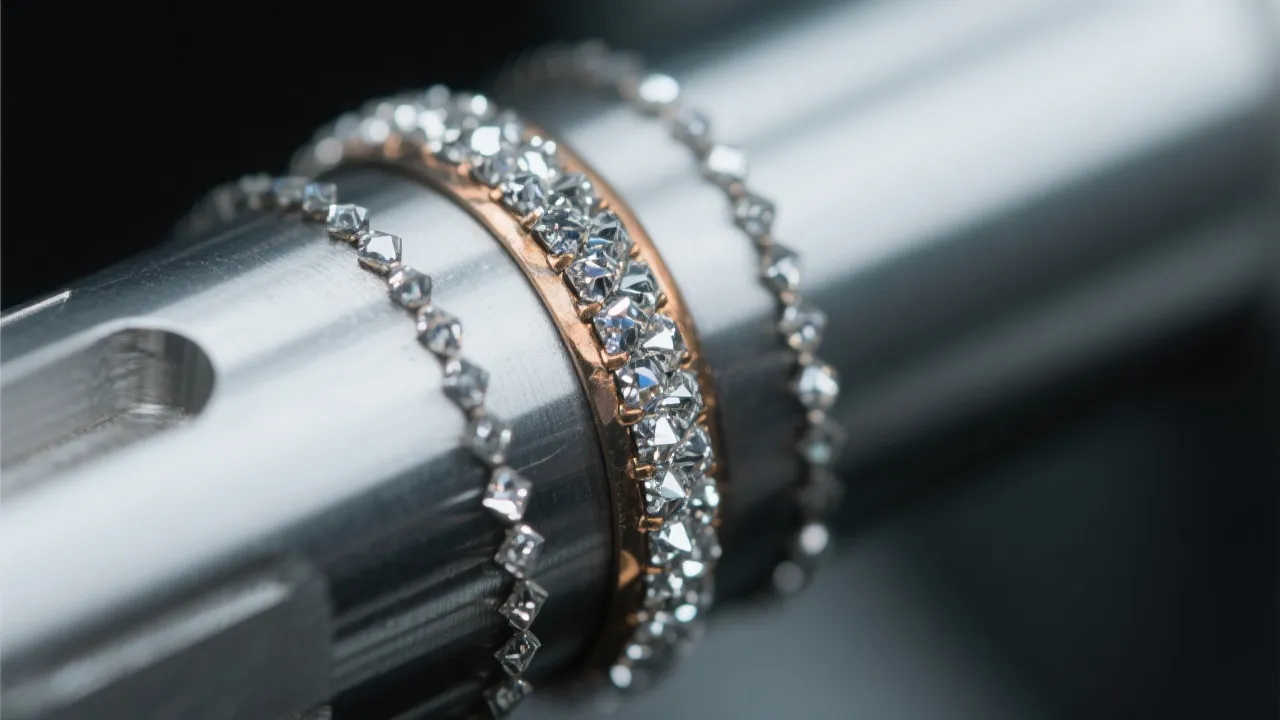
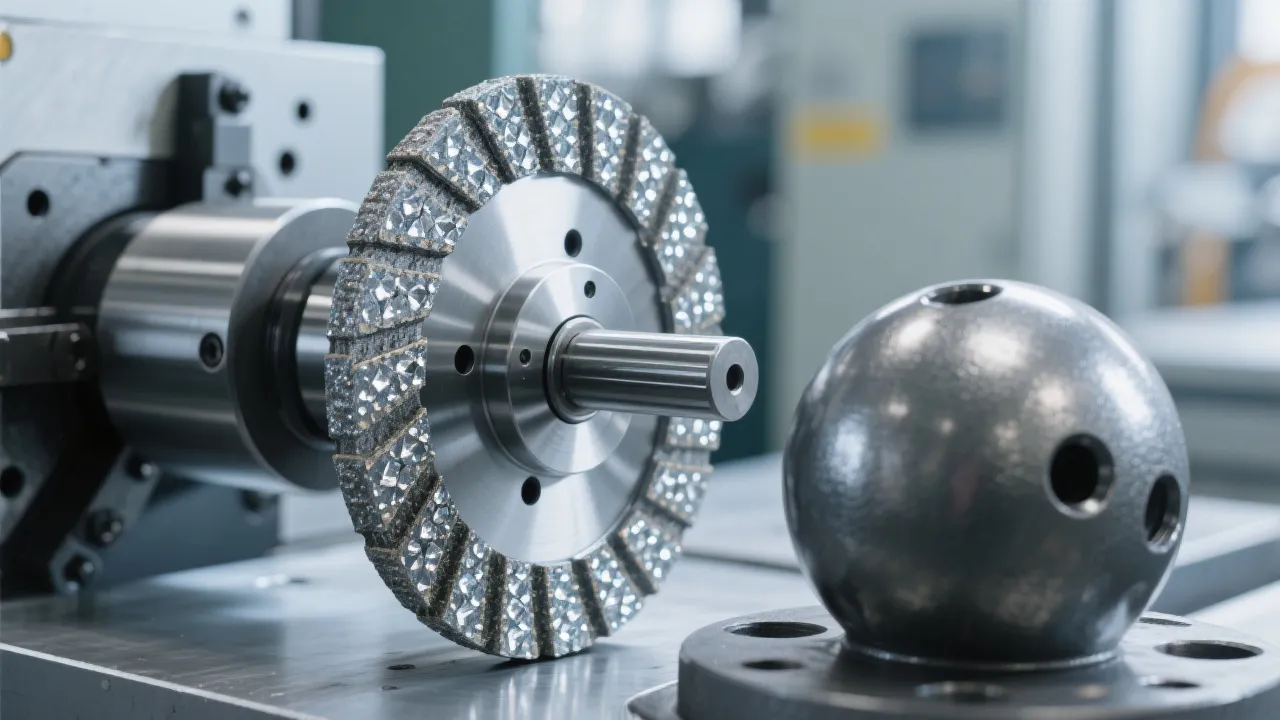
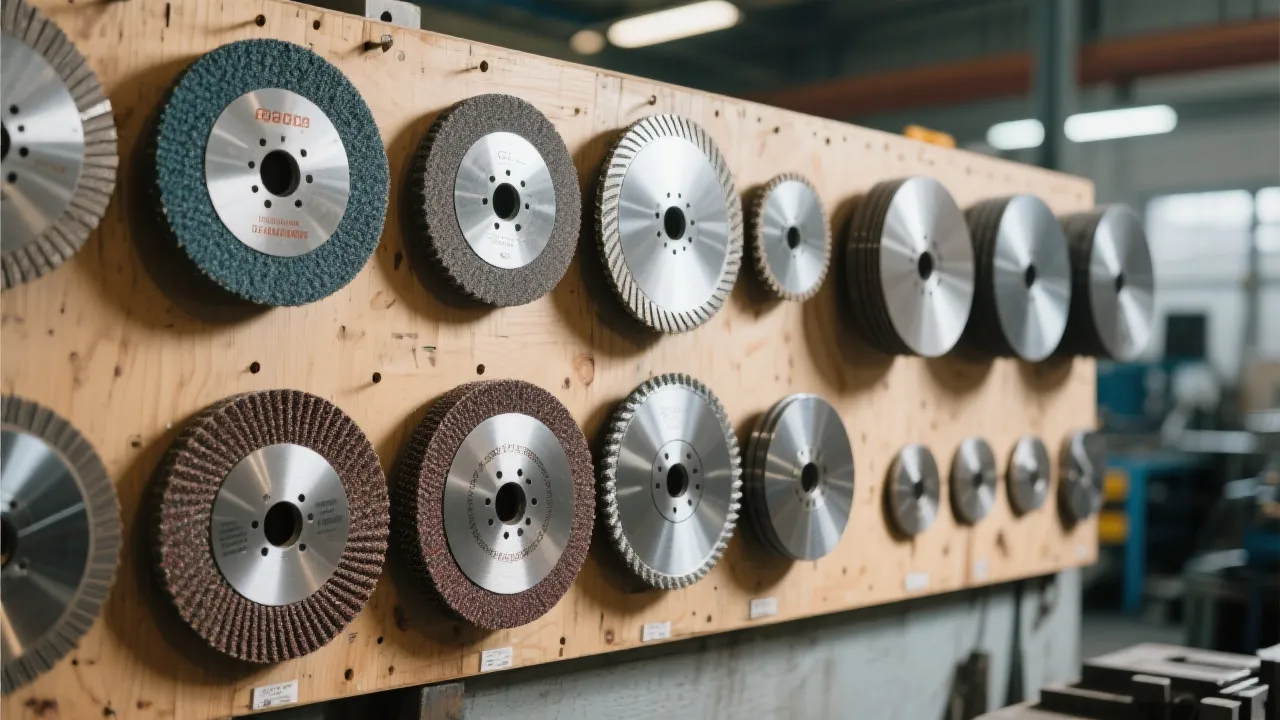
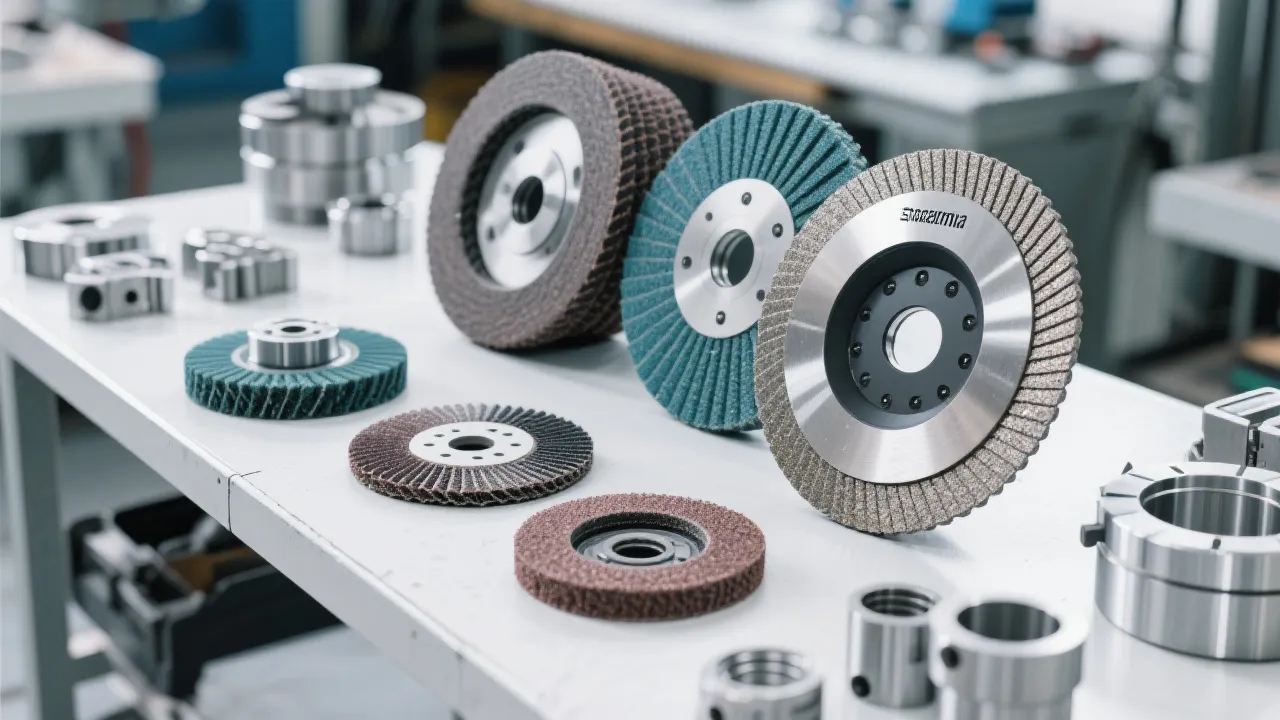
Vacuum brazed diamond grinding wheels excel in high precision cast iron applications due to their thermal resilience and cutting efficiency. UHD’s industrial-grade diamond grinding wheels offer flexibility in diamond concentration and grit sizes:
These combinations help distribute grinding energy more evenly, mitigating heat build-up and mechanical stress that cause cracking or burn marks.
Pre-treatment such as stress-relief annealing is highly recommended before grinding cast iron components. This reduces residual stresses embedded from casting or heat treatment, minimizing crack susceptibility under grinding forces.
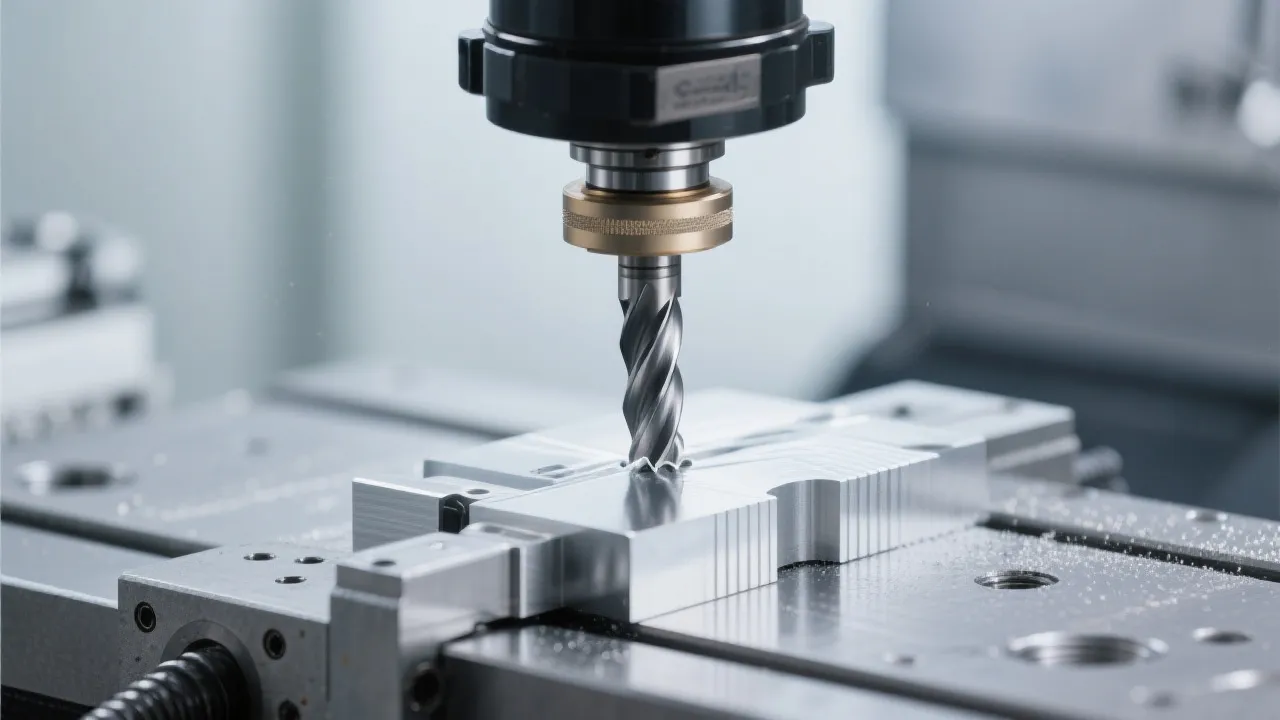
Key process parameters to optimize include:
Adjusting these parameters in tandem with tailored grinding wheels promotes stable machining surfaces and process repeatability.
UHD’s vacuum brazed diamond grinding wheels leverage proprietary bonding technology, ensuring superior diamond retention and consistent wear rates even under heavy-duty grinding of complex cast iron geometries.
Their advanced ceramic bonding matrix enables precise customization of diamond size and concentration, harmonizing with specific cast iron grades to optimize:
These grinding wheels become indispensable assets in sectors requiring strict dimensional tolerances and metallurgical integrity, such as automotive, aerospace, and heavy machinery manufacturing.
.png?x-oss-process=image/resize,h_1000,m_lfit/format,webp)