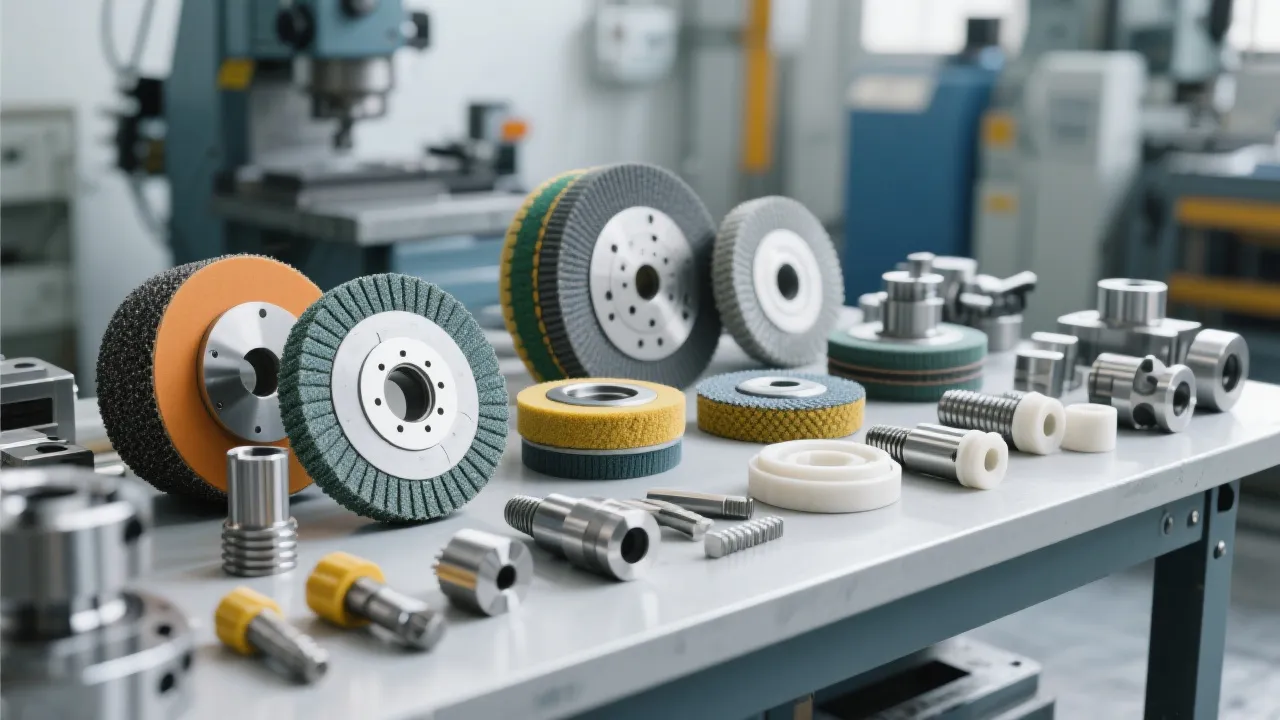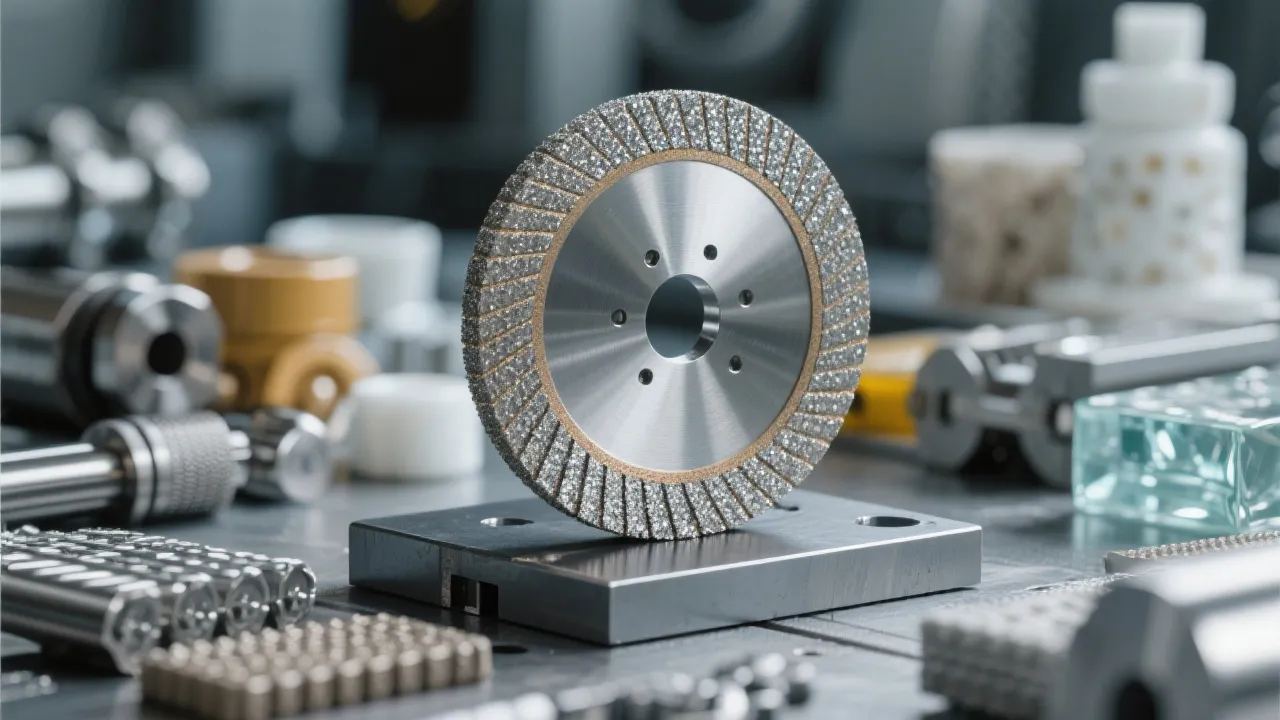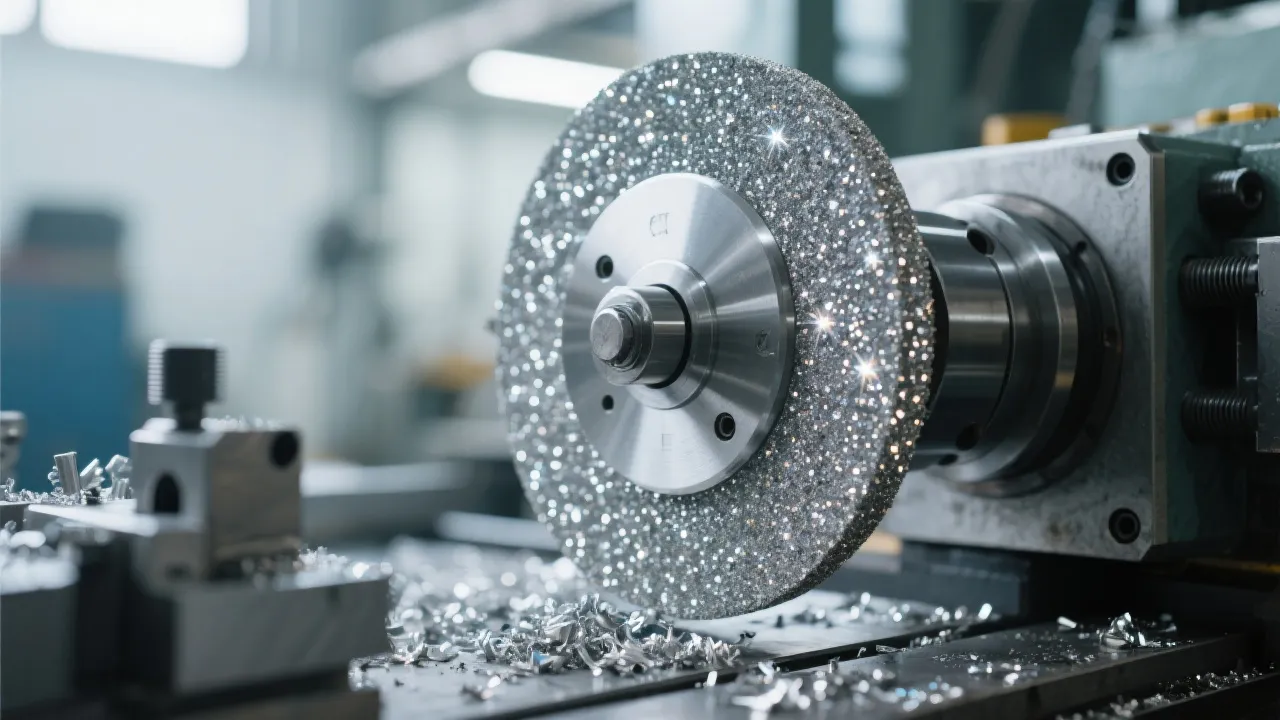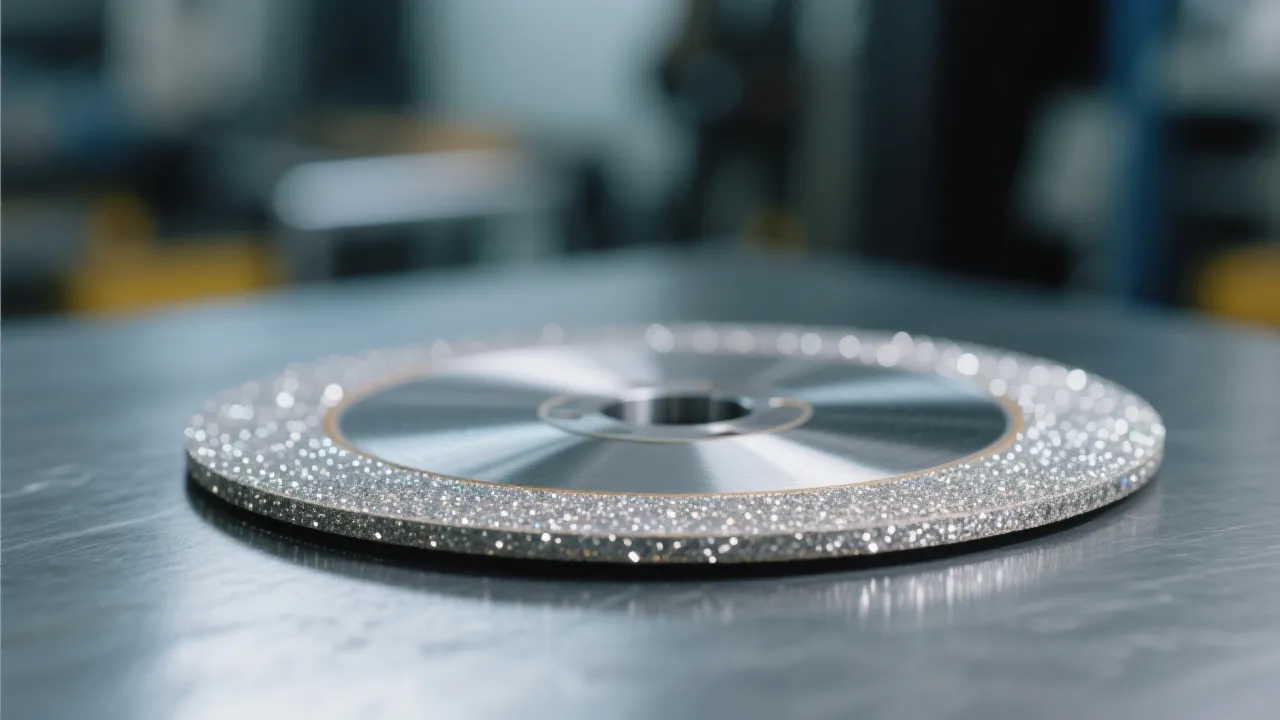
Precision grinding of cast iron components is vital for industries such as automotive and high-precision manufacturing. However, two persistent quality setbacks—cracks and burn marks—pose significant challenges that affect product integrity and yield. This discourse explores the underlying mechanisms of these defects, focusing on the thermal conduction and stress distribution influenced by the cast iron substrate types: gray cast iron and ductile (nodular) cast iron. Leveraging UHD’s cutting-edge brazed diamond grinding wheels technology, this guide provides actionable insights into material-specific diamond grit selection, preconditioning protocols, and optimal grinding parameters to mitigate these issues effectively.
The microstructure of the cast iron substrate plays a critical role in thermal dynamics and mechanical stress during the grinding process. Gray cast iron, characterized by its graphite flakes, exhibits lower thermal conductivity (~45 W/m·K) compared to ductile cast iron (~60 W/m·K), which contains spheroidal graphite. This disparity leads to different heat dissipation rates and stress concentrations at the grinding interface.
In gray cast iron, heat buildup occurs more rapidly due to sluggish heat flow, increasing the risk of thermal cracks and surface burning. Ductile iron's improved heat conduction can reduce this risk but may introduce microstructural deformation if grinding parameters are not optimized adequately.
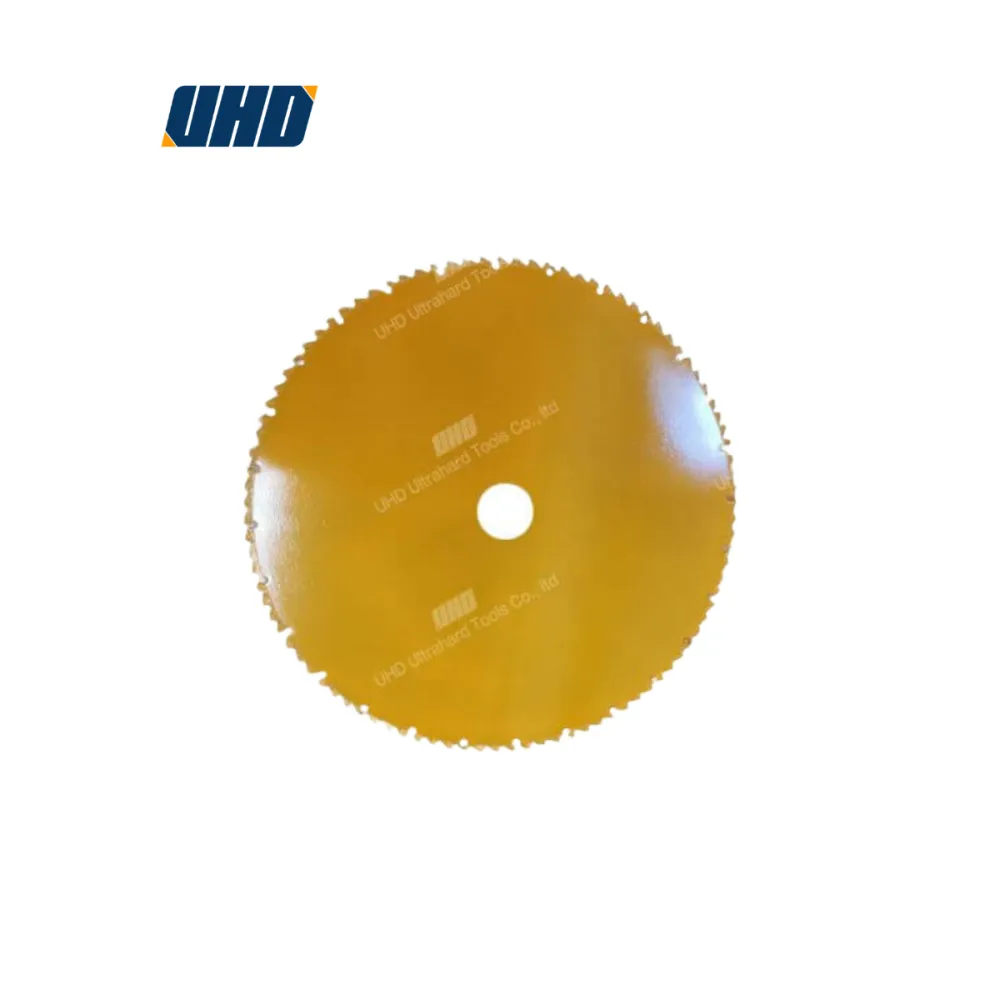
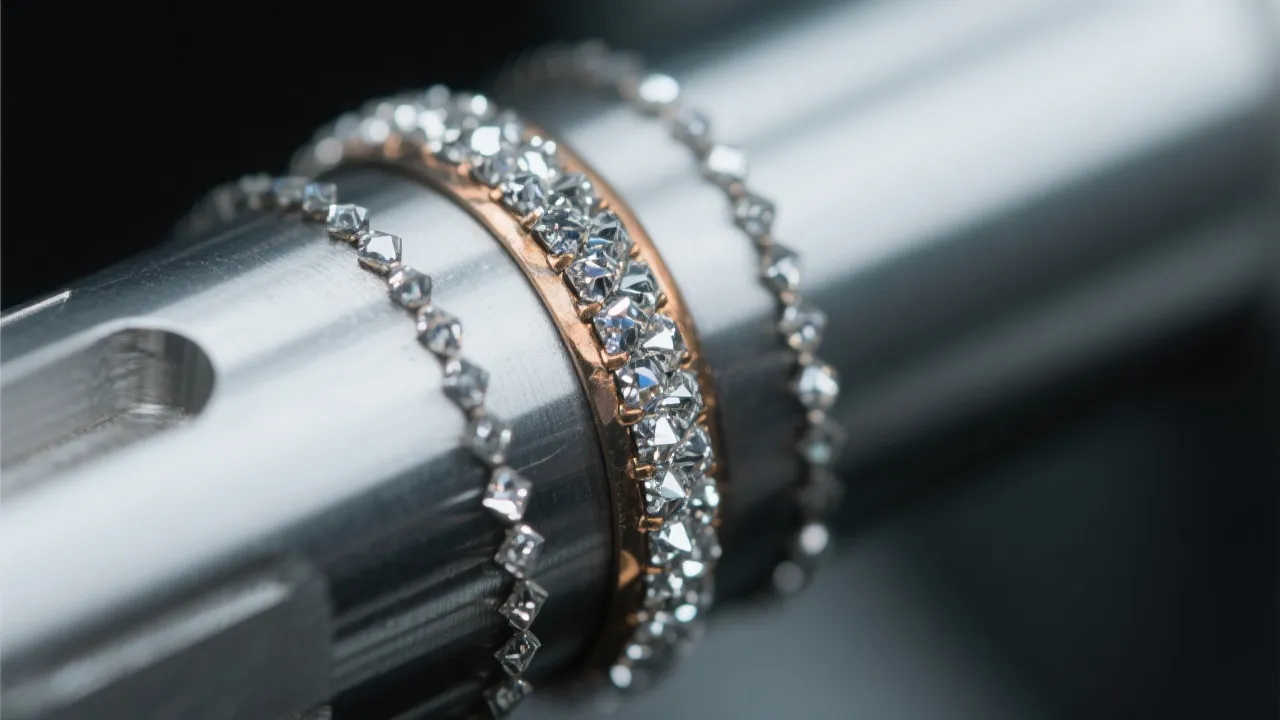
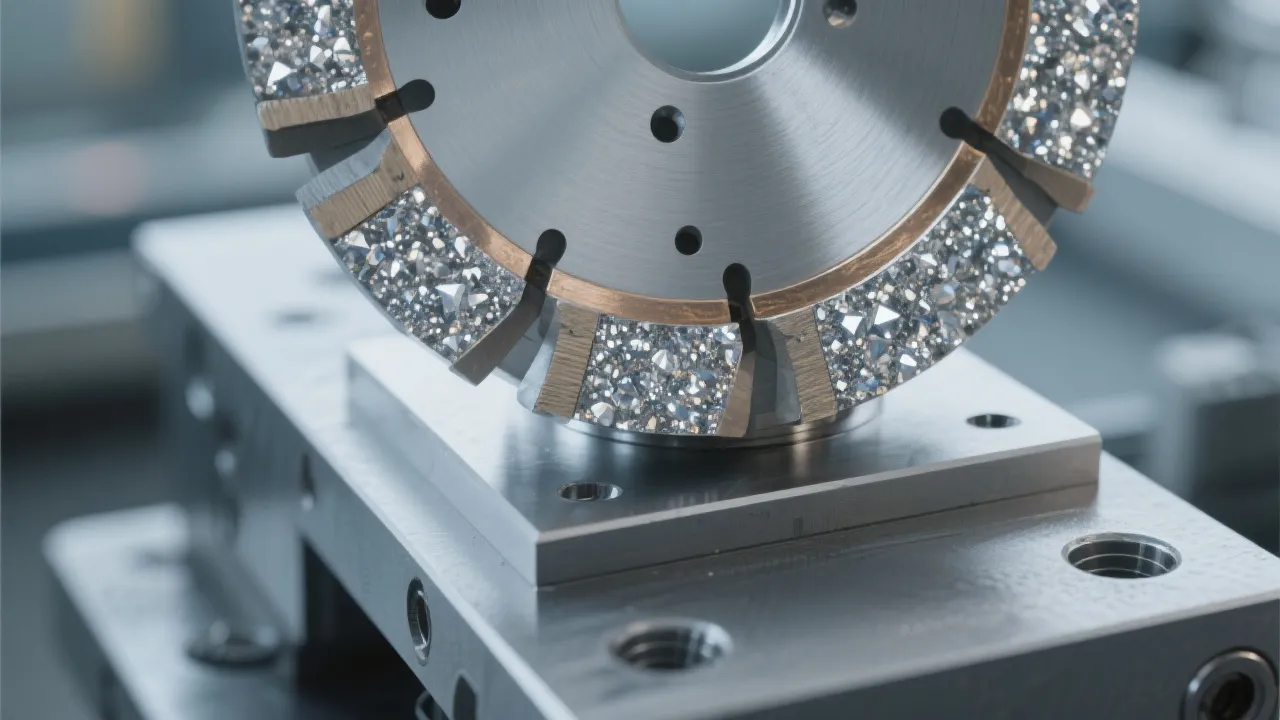
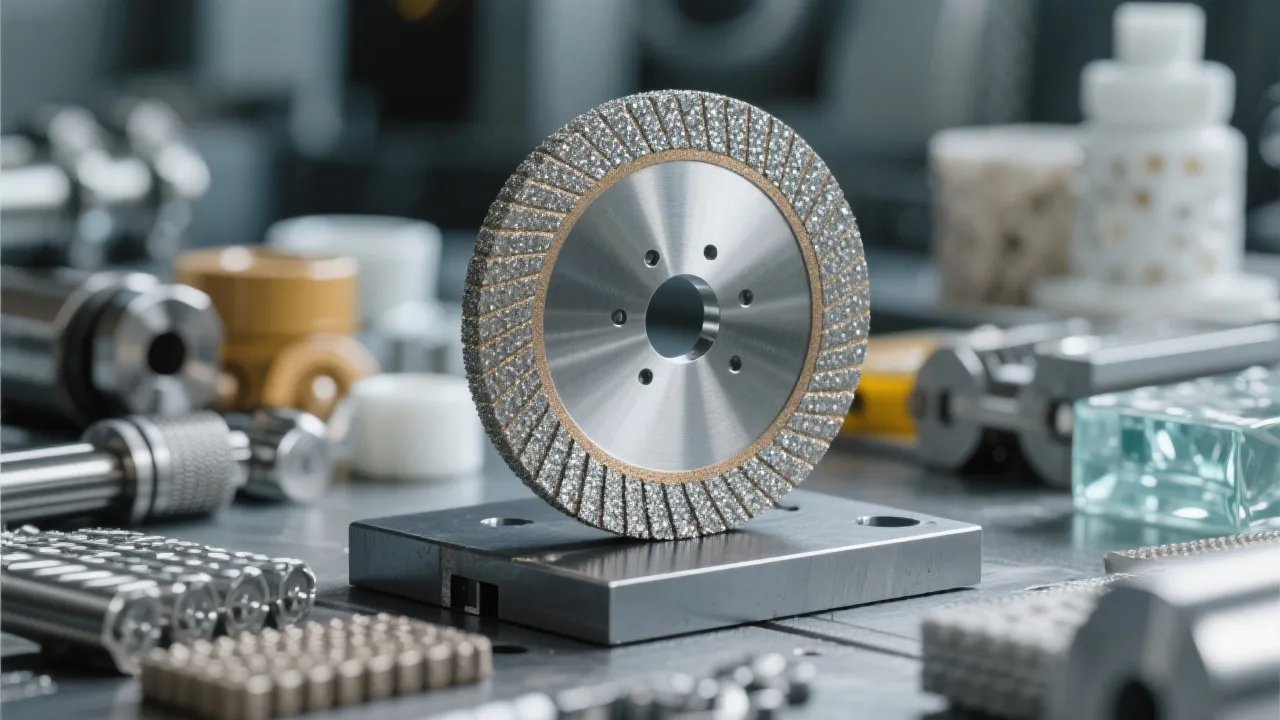
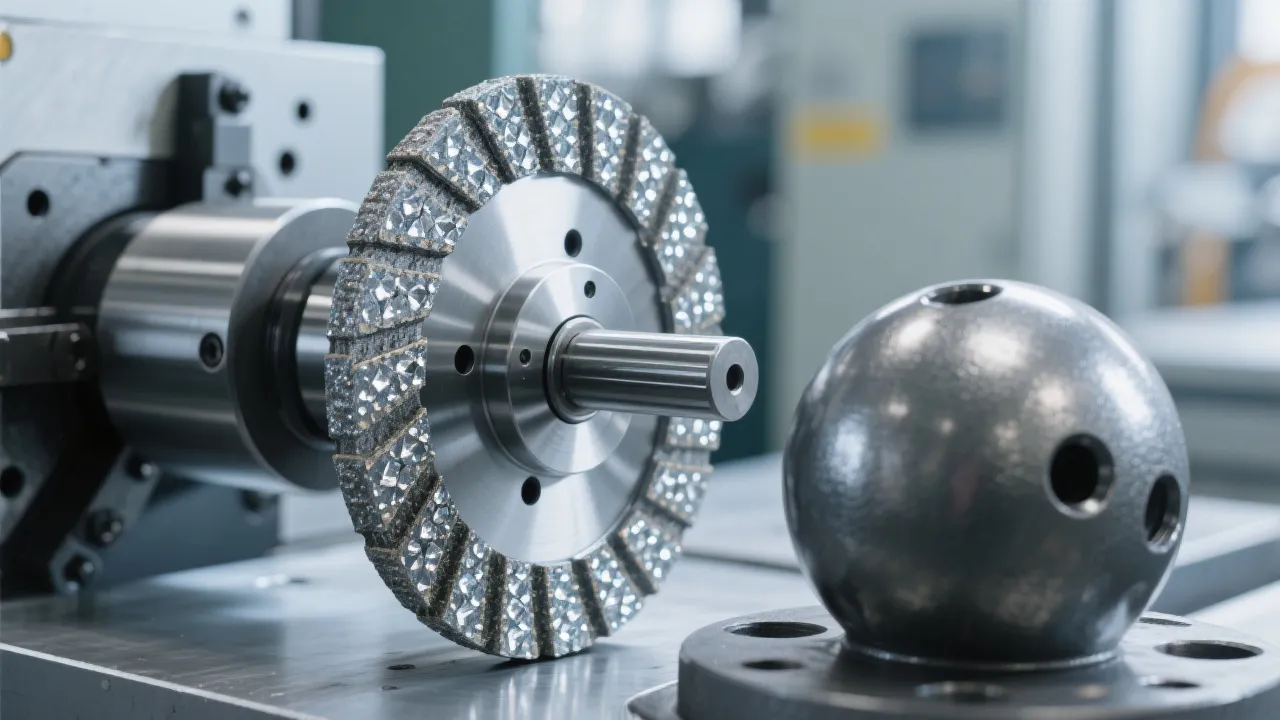
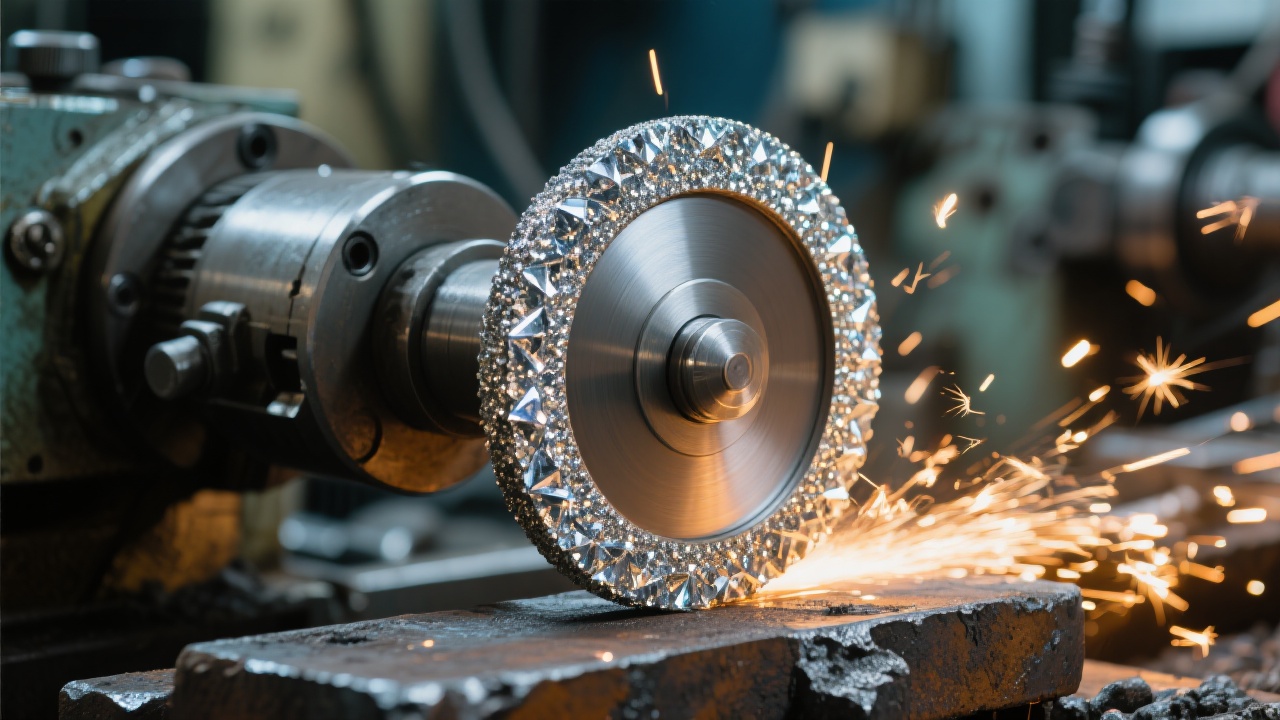
UHD’s patented brazed diamond grinding wheels integrate ultra-high-density diamond grit bonded directly to the substrate, offering superior wear resistance and thermal management. For gray cast iron, a moderate diamond concentration combined with finer grit sizes (around 80/100 mesh) strikes a balance between material removal rate and surface integrity. Conversely, ductile cast iron benefits from higher diamond concentration with coarser grit (60/80 mesh), enabling efficient grinding while minimizing substrate stress.
The tailored combination of diamond grit and concentration adapts to the distinct metallurgical profiles of each cast iron type, preventing excessive heat accumulation and mechanical stress that manifest as cracks and burns.
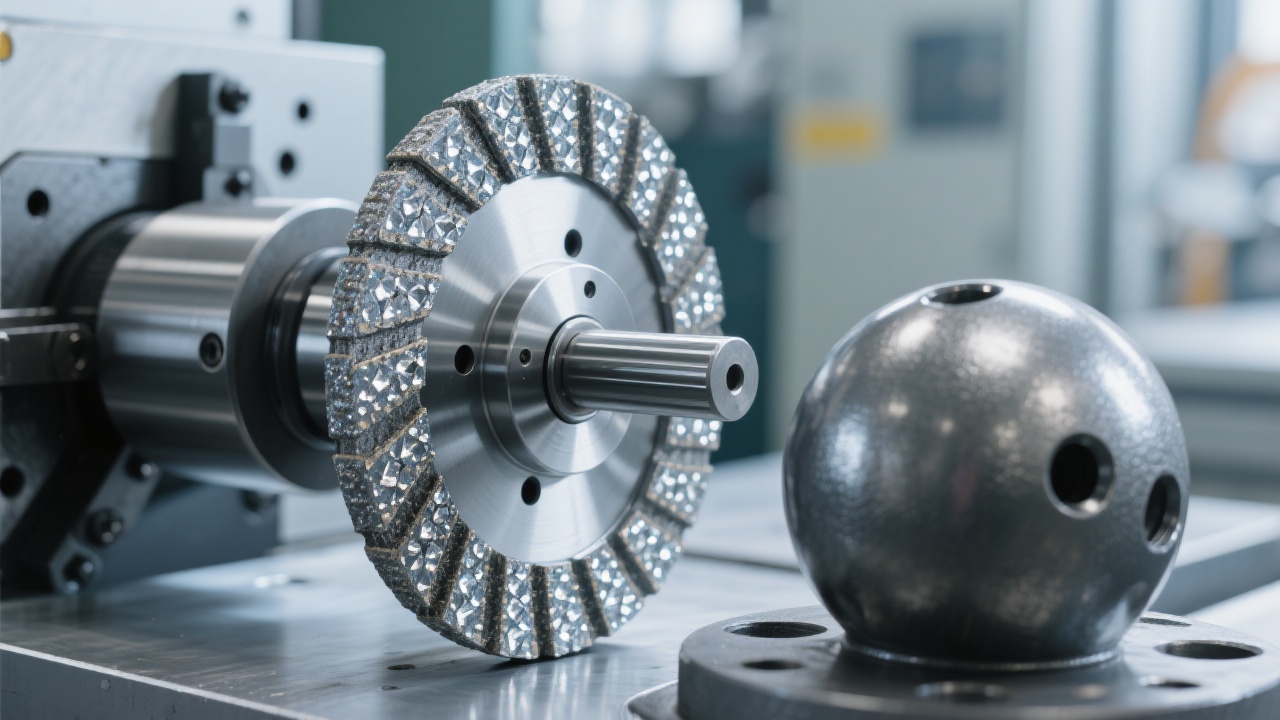
Pre-treatment measures such as stress relieving heat treatments and surface cleaning optimize the cast iron’s condition prior to grinding. Employing calibrated coolant systems—preferably synthetic coolants with a flow rate exceeding 30 liters per minute—enhances heat extraction.
Key grinding parameters should also be fine-tuned:
Monitoring grinding force and temperature in real time using integrated sensors can prevent critical thresholds that lead to cracking or burning.
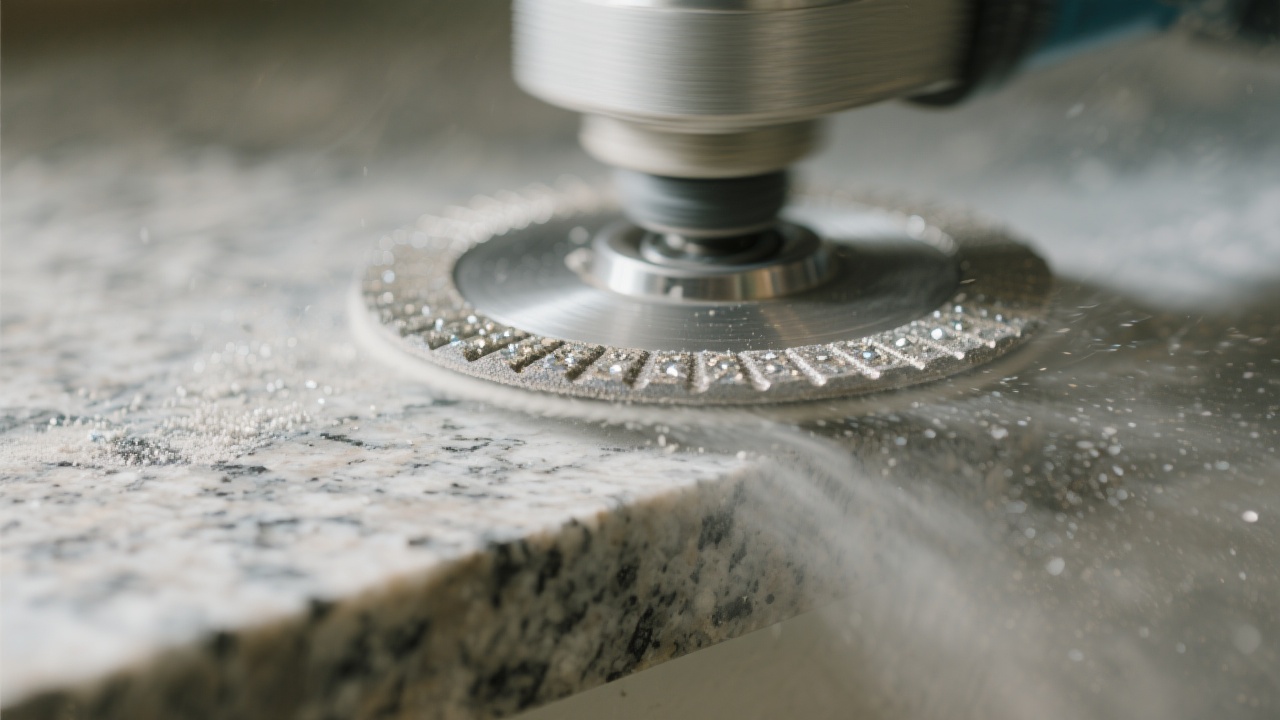
Empirical testing in UHD’s laboratories evidenced that implementing the recommended diamond grit combinations and adjusted parameters improves crack incidence rates by up to 60%, and burn mark defects decrease by nearly 50%. The ability to standardize these parameters according to cast iron subtype ensures consistent quality in high-volume production.
| Cast Iron Type | Recommended Diamond Grit | Diamond Concentration | Cooling Method |
|---|---|---|---|
| Gray Cast Iron | 80/100 mesh | Moderate | Synthetic Coolant, ≥30 L/min |
| Ductile (Nodular) Cast Iron | 60/80 mesh | High | Synthetic Coolant, ≥30 L/min |


.png?x-oss-process=image/resize,h_1000,m_lfit/format,webp)