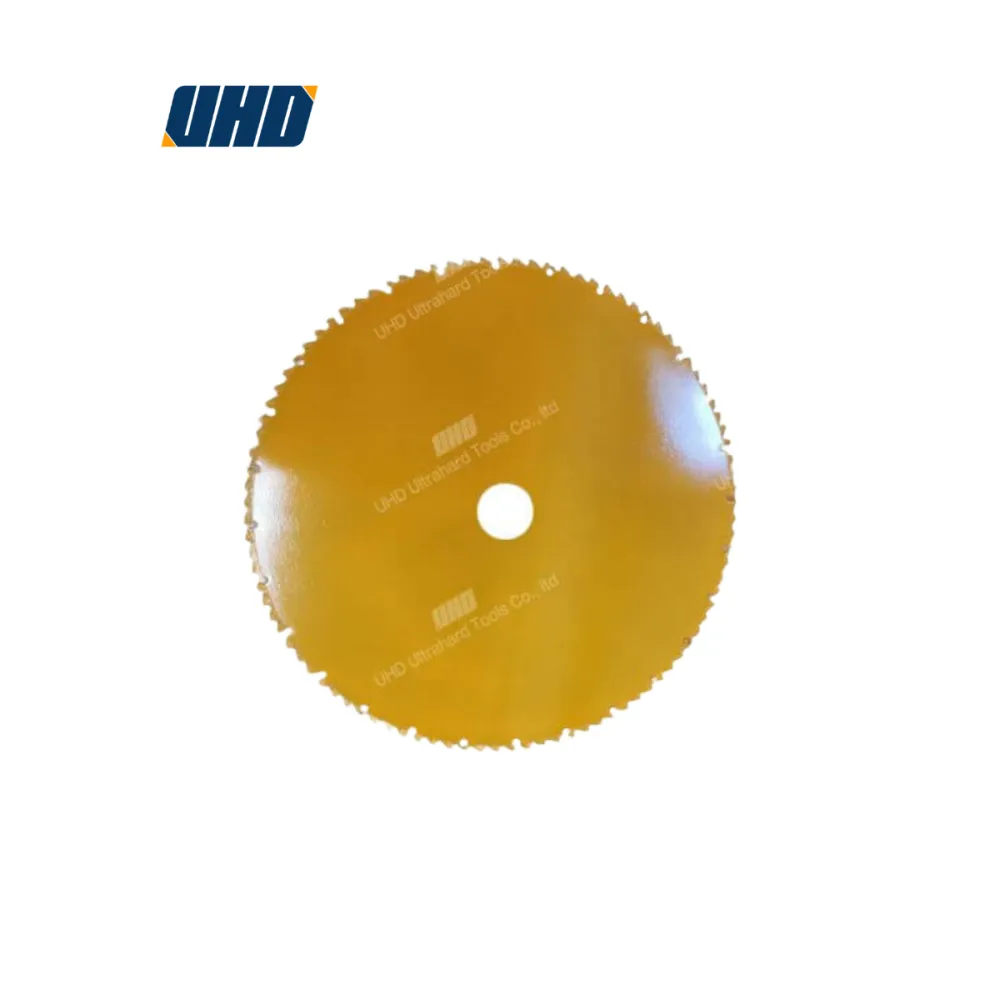
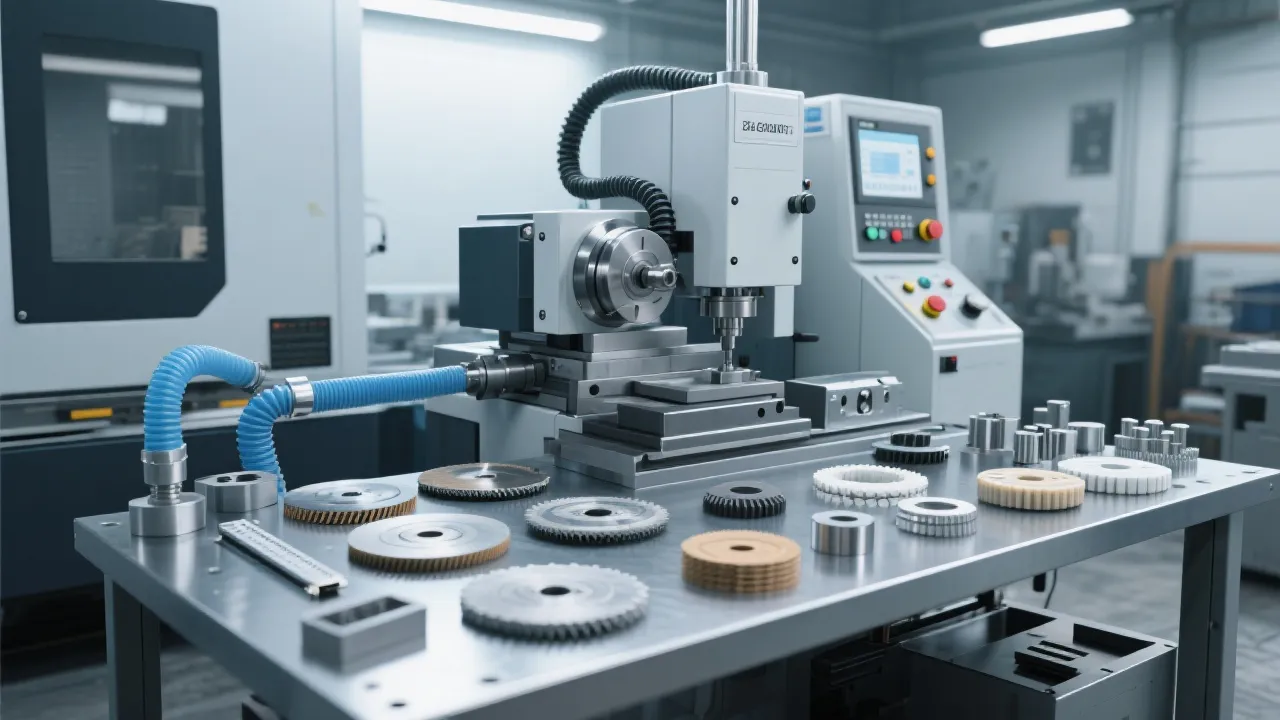
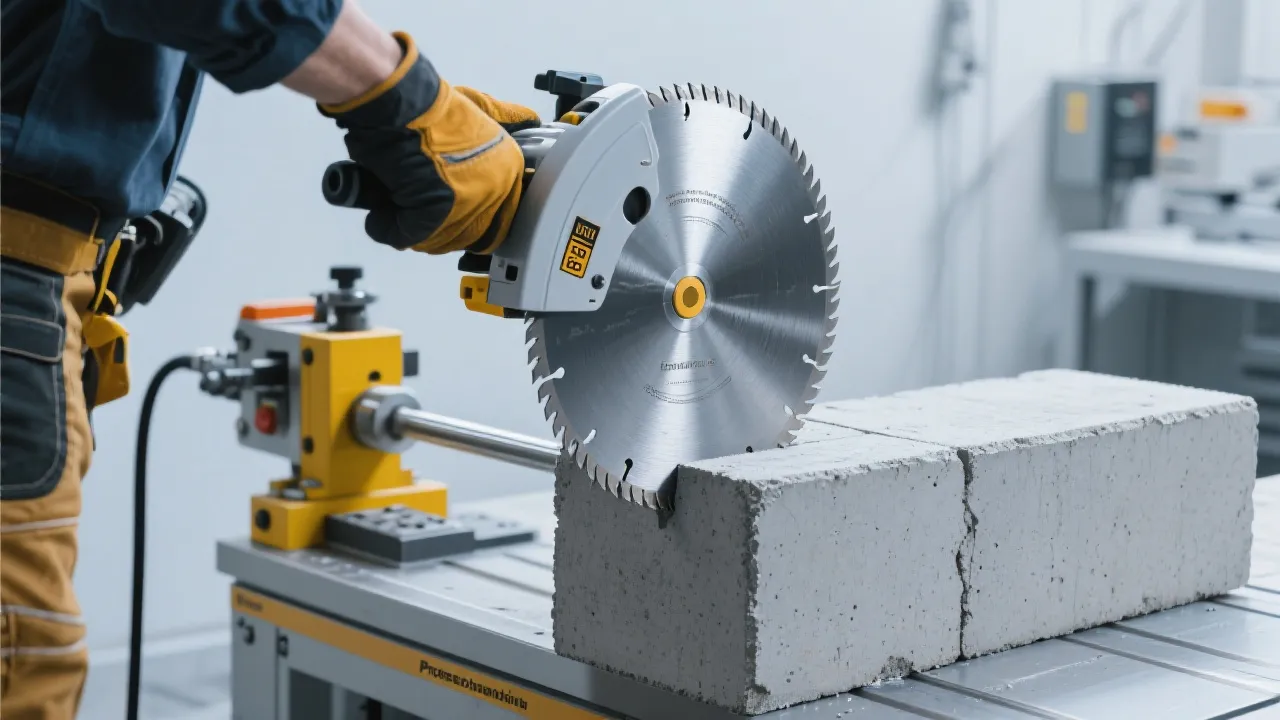
In the demanding world of industrial processing, precision and durability often define success. Brazed diamond grinding wheels have steadily emerged as essential tools for high-precision machining operations. This article explores the innovative brazing technology coupled with superhard diamond abrasives that elevate machining efficiency and tool lifespan. Drawing on technological insights and real-world applications, we dissect how these grinding wheels outclass alternatives when working on materials from gray and ductile cast irons to stainless steel and other hard alloys.
The core of brazed diamond grinding wheels' superiority lies in their manufacturing process. Unlike resin-bonded or electroplated wheels, brazed wheels fuse superhard diamond particles within a strong metal matrix at temperatures exceeding 800°C. This vacuum brazing creates a metallurgical bond that firmly anchors diamonds, ensuring uniform grit distribution and enhanced thermal conductivity.
The diamonds employed are industrial-grade synthetic crystals, averaging 100-200 μm in size, optimized for sharp cutting edges and toughness. This combination yields a grinding tool that maintains integrity under high loads and resists abrasive wear, significantly extending tool life by up to 30% compared to competitive products.
Brazed diamond grinding wheels exhibit exceptional versatility across numerous materials. Specifically:
Industrial case studies report up to 25% reduction in grinding cycle times and 40% fewer wheel replacements, underscoring significant operational savings.
The design of these grinding wheels factors in dynamic loads and impact resistance. The metal bond and brazed diamonds absorb and dissipate mechanical shocks, preventing premature failure. This resilience aligns with international safety standards such as ISO 14121 for grinding wheels’ mechanical safety.
Moreover, user safety is enhanced through precise balancing and optimized structural geometry, reducing vibration and minimizing operator fatigue during high-speed grinding tasks. The improved surface finish quality also reduces rework rates, contributing to safer and more efficient workflows.
Recognizing diverse industry requirements, manufacturers offer a broad range of sizes, shapes, and bond hardness levels for brazed diamond grinding wheels. From thin, flexible blades for intricate cutting to thick, rigid discs for heavy-duty grinding, the portfolio addresses:
This flexibility enables processors to fine-tune grinding parameters and maximize productivity tailored to specific materials and applications.
Performance highlights:
- ➤ 30% longer service life versus resin-bonded alternatives (average tool life: 80-120 hours)
- ➤ 20–30% faster material removal rate (MRR) consistently verified in factory trials
- ➤ Reduction in thermal damage zones by over 15%, preserving substrate integrity
- ➤ Compliance with ISO 9001:2015 quality and safety management systems
The mantra “Durability is the true edge” encapsulates the philosophy behind brazed diamond grinding wheels. Their engineered toughness and precision bring measurable value not just in performance metrics, but also in cost-efficiency and operational continuity. For manufacturers and processors demanding relentless reliability and uncompromising quality, these tools form an indispensable part of the production line.