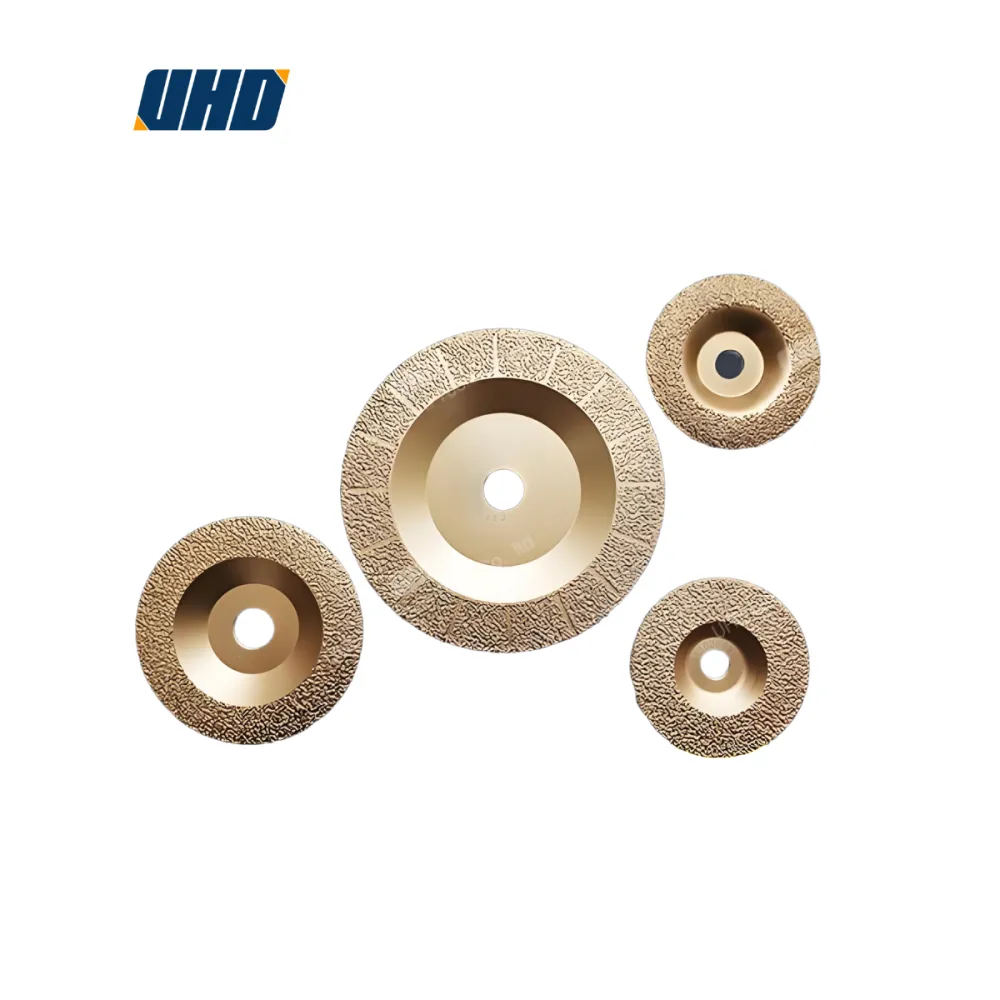
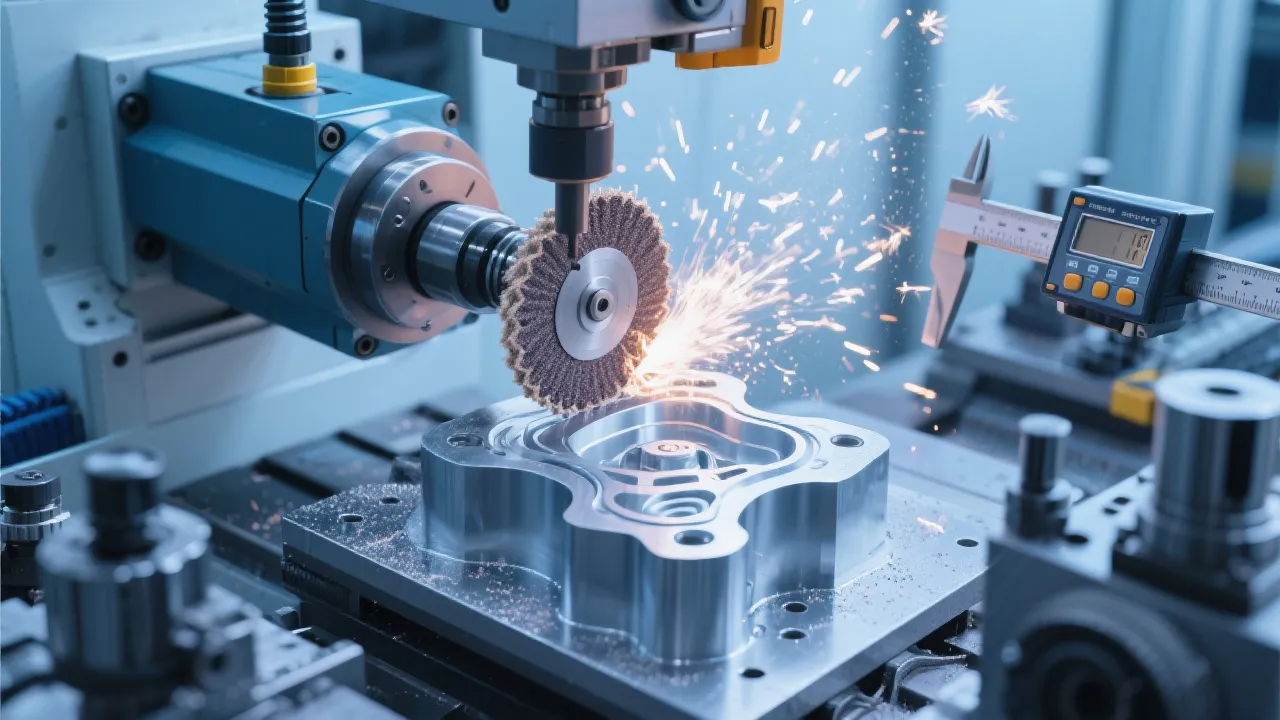
In today’s high-precision manufacturing environment, the choice of grinding tools directly impacts productivity, safety, and cost control. Traditional abrasives often fail when processing difficult materials like gray cast iron, stainless steel, or ceramics—leading to premature wear, inconsistent finishes, and unplanned downtime.
A recent survey by the International Association of Machinists (IAM) found that 67% of shops using conventional grinding wheels reported at least one tool failure per week during operations on hard alloys. These failures aren’t just about wear—they’re about lost time, rework, and risk. For instance, a typical ceramic grinding operation with standard segments averages only 4–6 hours of continuous use before needing replacement, while surface roughness can exceed Ra 2.5 µm—a level unacceptable for precision parts.
“We were losing up to 15% of our daily output due to frequent tool changes.” — John Kim, Production Manager at Precision Metalworks Inc., USA
Udo Superhard Tools’ proprietary brazing process uses a silver-based alloy with controlled thermal expansion properties, ensuring diamond particles are uniformly embedded without micro-cracks. This design increases bond strength by up to 35% compared to traditional methods, as validated by third-party lab tests conducted at the University of Stuttgart’s Materials Testing Lab.
Additionally, their optimized diamond distribution pattern ensures consistent cutting force across the segment edge—reducing vibration and improving surface finish. In real-world trials, this led to an average life extension of 2.3x over standard segments when used on AISI 304 stainless steel.
To maximize performance and safety:
One customer in Germany saw a 62% drop in tool-related downtime over six months after switching to Udo’s welded diamond segments. Another in India reported a 30% increase in throughput per machine, translating to nearly $28K annual savings in labor and maintenance costs.
Let every cut count. Experience the difference in efficiency, durability, and peace of mind.
Get Your Free Sample Kit Today.png?x-oss-process=image/resize,h_1000,m_lfit/format,webp)