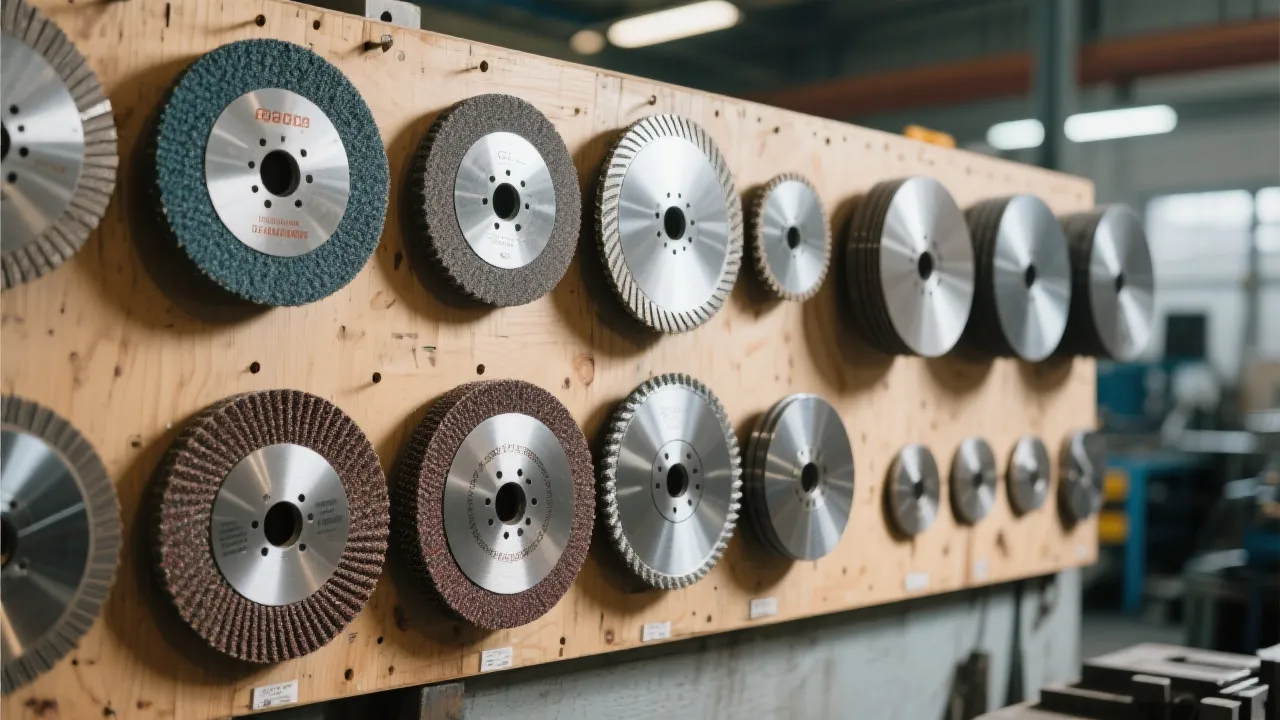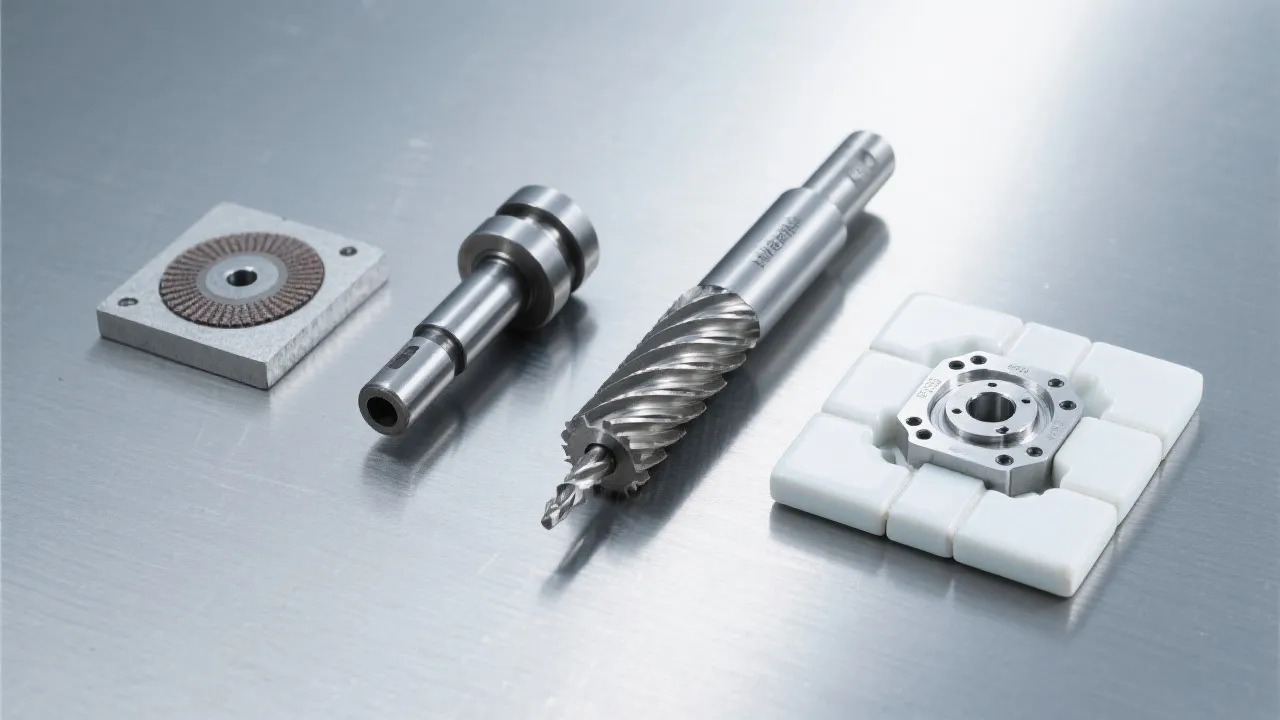
In the realm of high-intensity industrial machining, brazed diamond grinding tools have emerged as a game-changing solution, delivering unmatched efficiency and durability. These tools, manufactured using advanced brazing techniques and tailored substrate designs, excel in processing notoriously challenging materials such as gray cast iron, stainless steel, and ceramics. This article delves into the core technical principles behind brazed diamond tools and explores their superior performance metrics, validated by empirical data and field applications.
A brazed diamond grinding tool is composed of synthetic diamond abrasive particles securely attached to a metal substrate through a high-temperature brazing process. This method achieves a metallurgical bond, offering exceptional adhesion strength compared to electroplated or resin-bonded alternatives. The substrate, typically high-strength steel, features a turning design optimized for dynamic load distribution, enhancing rigidity while minimizing vibration during operation.
Key Performance Benefits Include:
Conventional grinding tools often struggle with balancing longevity and productivity, especially when processing ultra-hard materials. Brazed diamond tools significantly bridge this gap. Independent lab tests show that these tools maintain consistent sharpness and dimensional accuracy throughout the entire lifespan of the product, directly translating to fewer stoppages and reduced downtime.
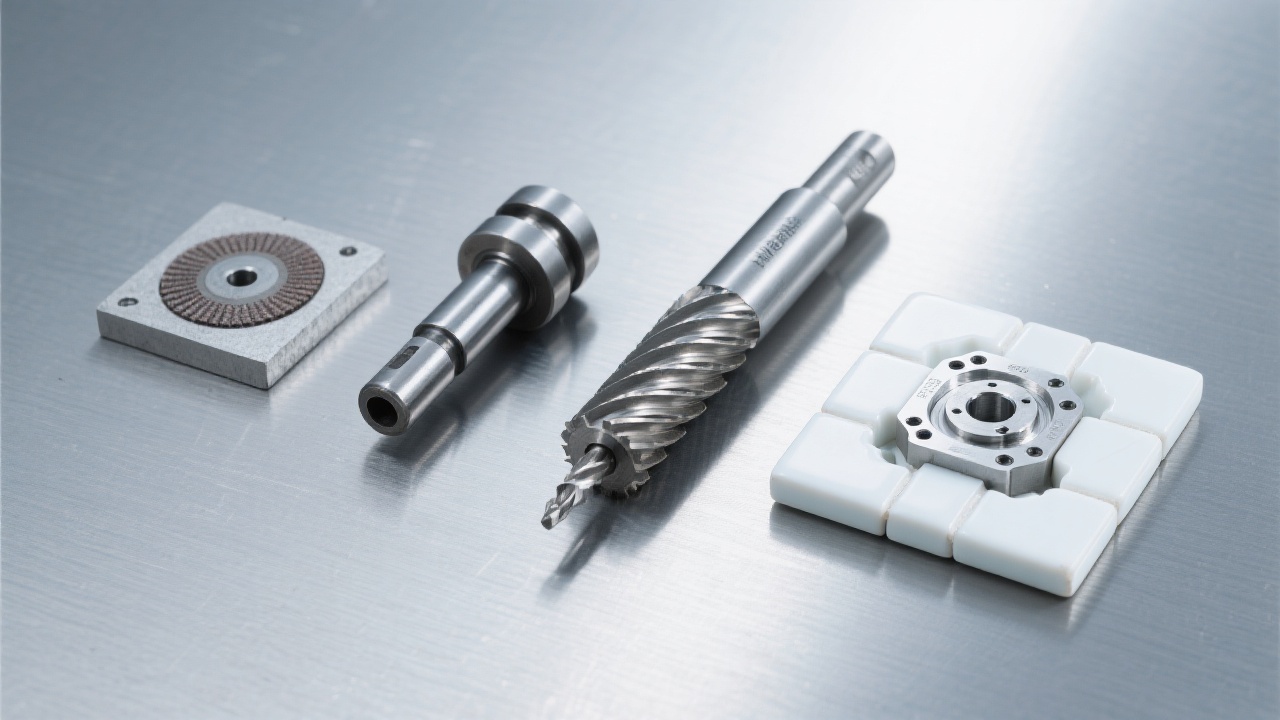
Figure 1: Tool life comparison demonstrating brazed diamond wheels lasting over twice as long as resin-bonded wheels during gray cast iron grinding.
Dimensional specifications ranging from 180mm down to 100mm in diameter, combined with precise matching of bore and thickness, are critical to maintaining operational stability during high-speed machining. The anti-impact architecture integrates reinforcements at stress concentration zones, reducing microfractures and prolonging service intervals.
Case studies from heavy industry applications reveal that selecting the correct diameter-to-thickness ratio reduces vibration amplitudes by up to 25%, enhancing finish quality and operator safety.
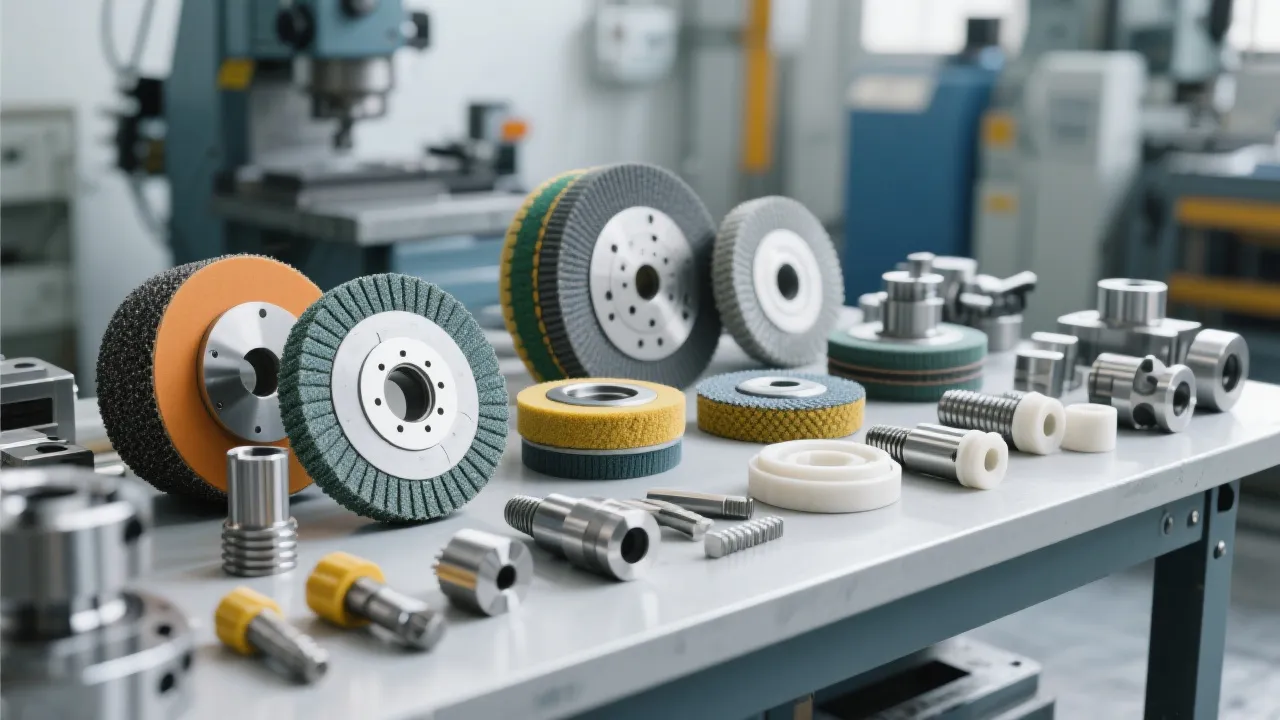
Recognizing the demand variability, manufacturers offer tailored brazed diamond tools designed for both planar and contoured surfaces. This customization flexibility enables precision grinding on flat faces, convex curves, or complex geometries, thereby broadening industrial applicability ranging from stone and glass processing to ceramic components.
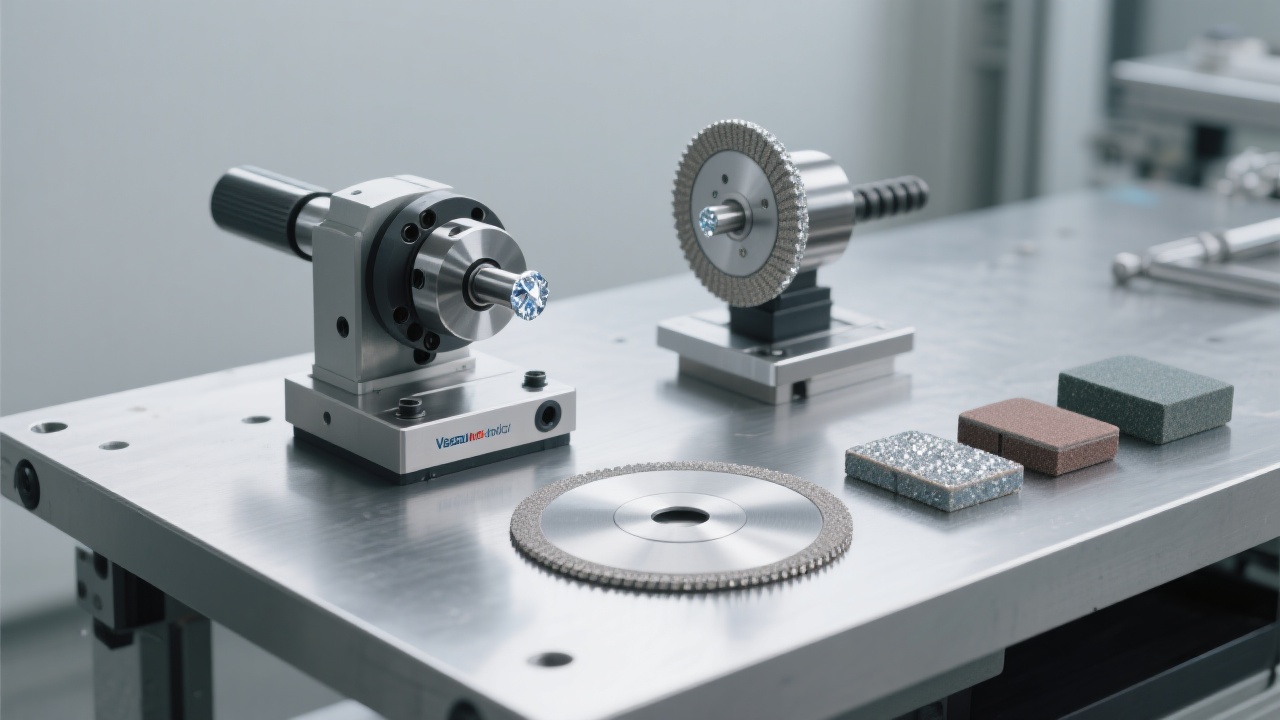
Figure 2: Examples of brazed diamond tools custom-shaped to meet flat and curved surface grinding demands.
Many industrial clients using brazed diamond grinding tools report measurable improvements. For instance, a manufacturer specializing in ceramic tiles noted a reduction in tool changeover frequency by 40%, directly decreasing production downtime by an estimated 30%. Additionally, the robust durability translates into an estimated 20% cost saving annually on tool procurement.
"Since integrating brazed diamond grinding wheels, our machining processes are markedly faster—while tool failures have dropped significantly, leading to smoother operations and lower maintenance costs." – Technical Manager, Leading Glass Manufacturing Plant
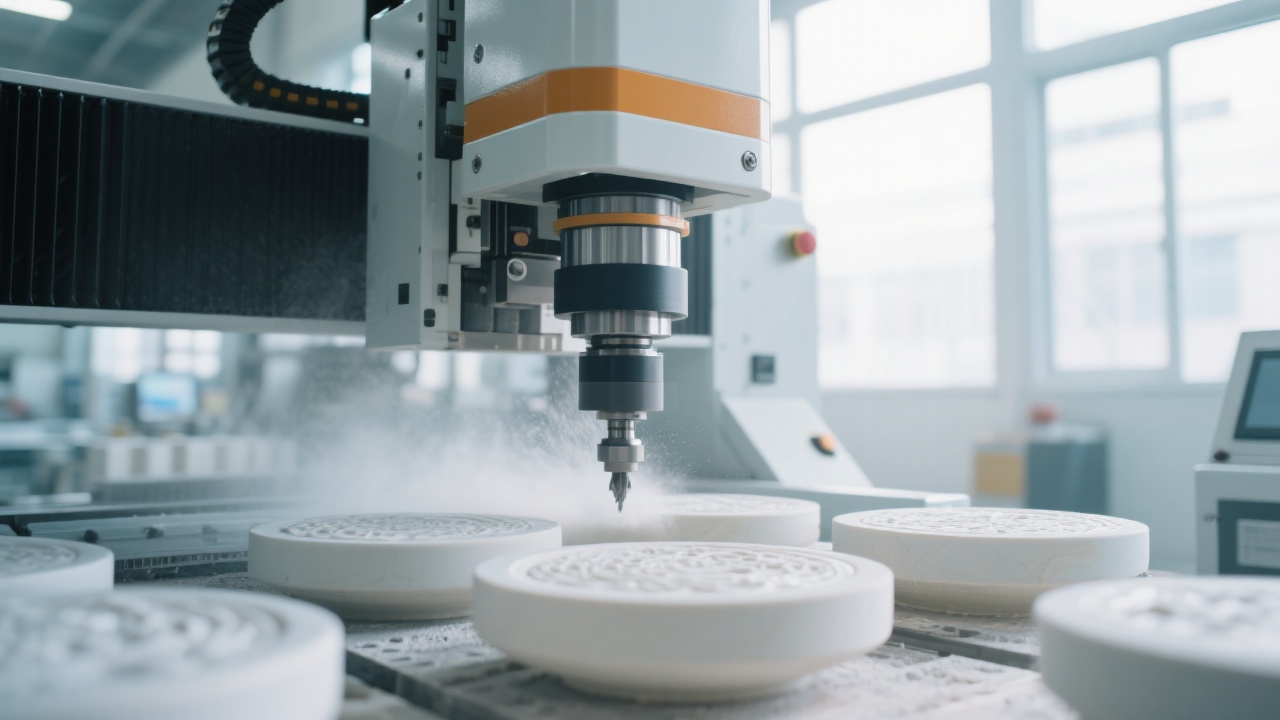
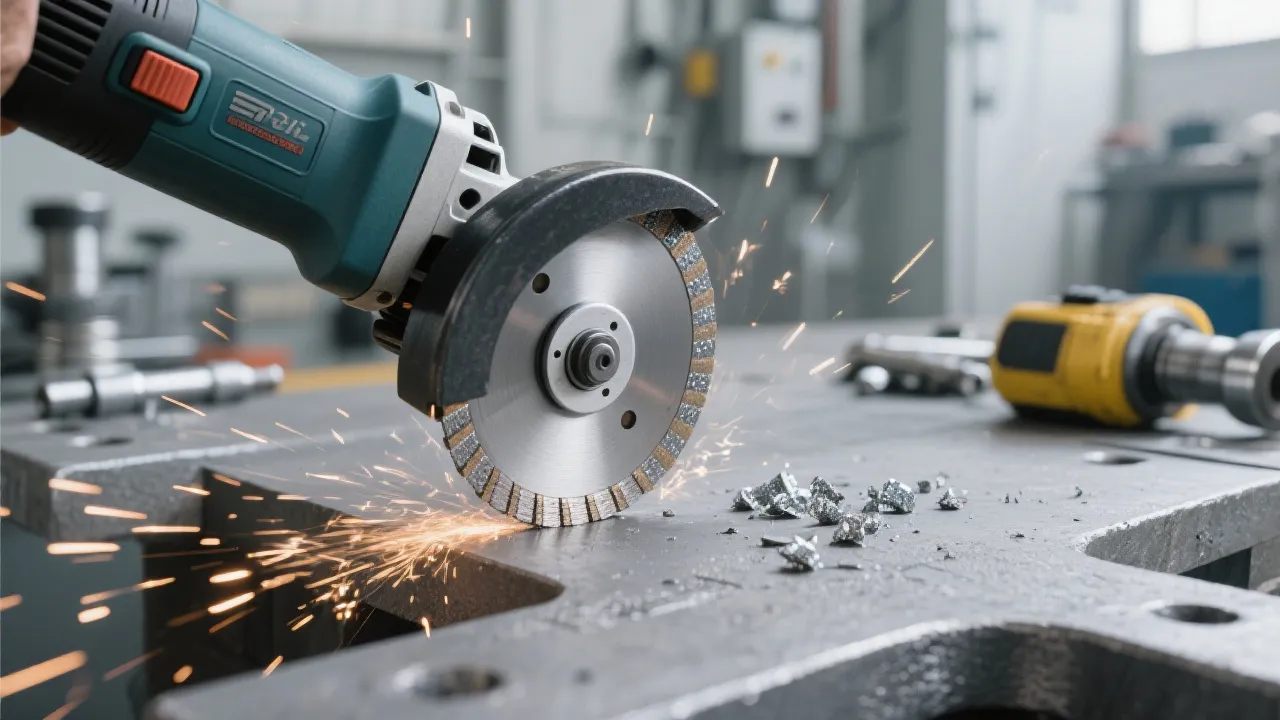
Figure 3: Brazed diamond grinding tool in action on a stainless steel component demonstrating high-precision finish.