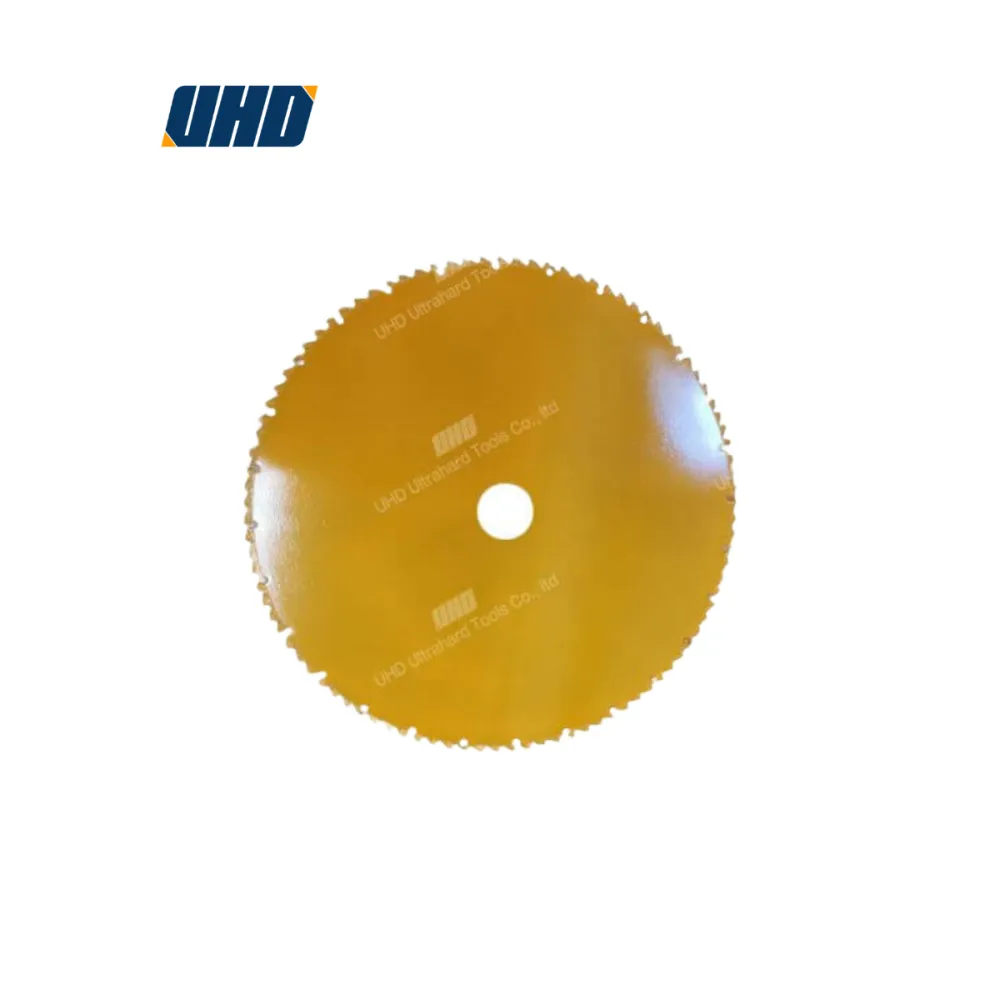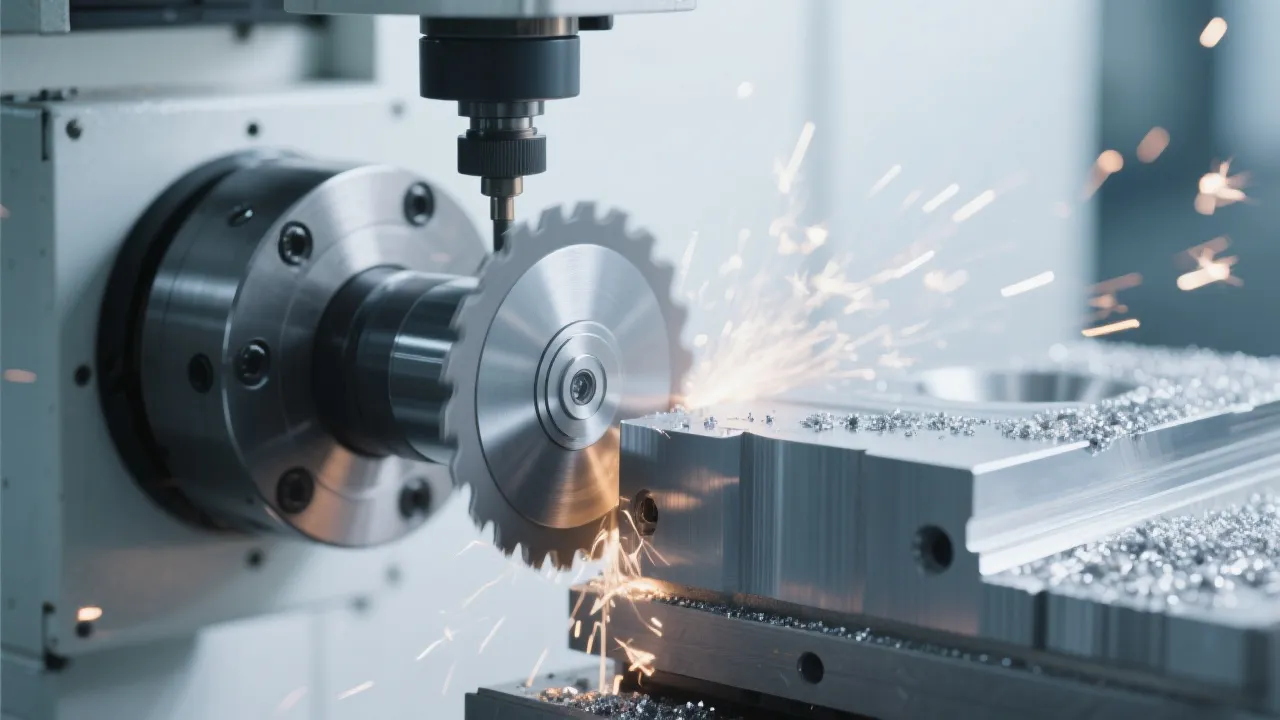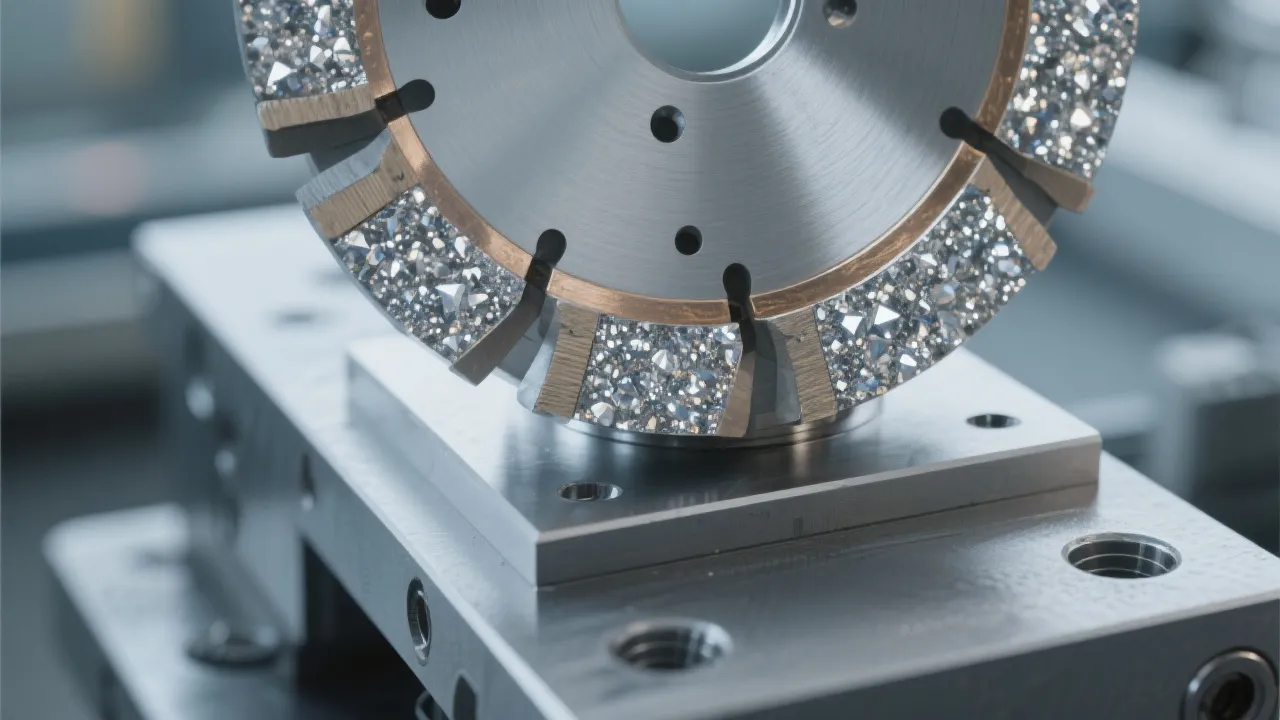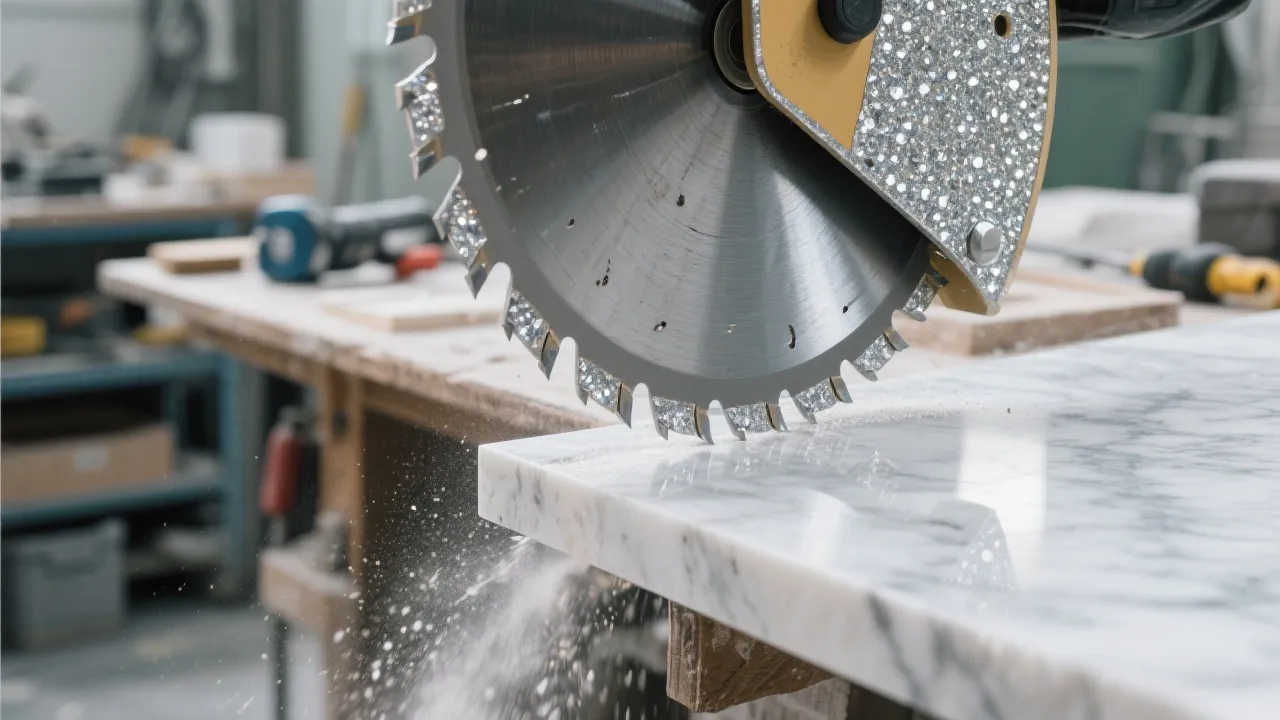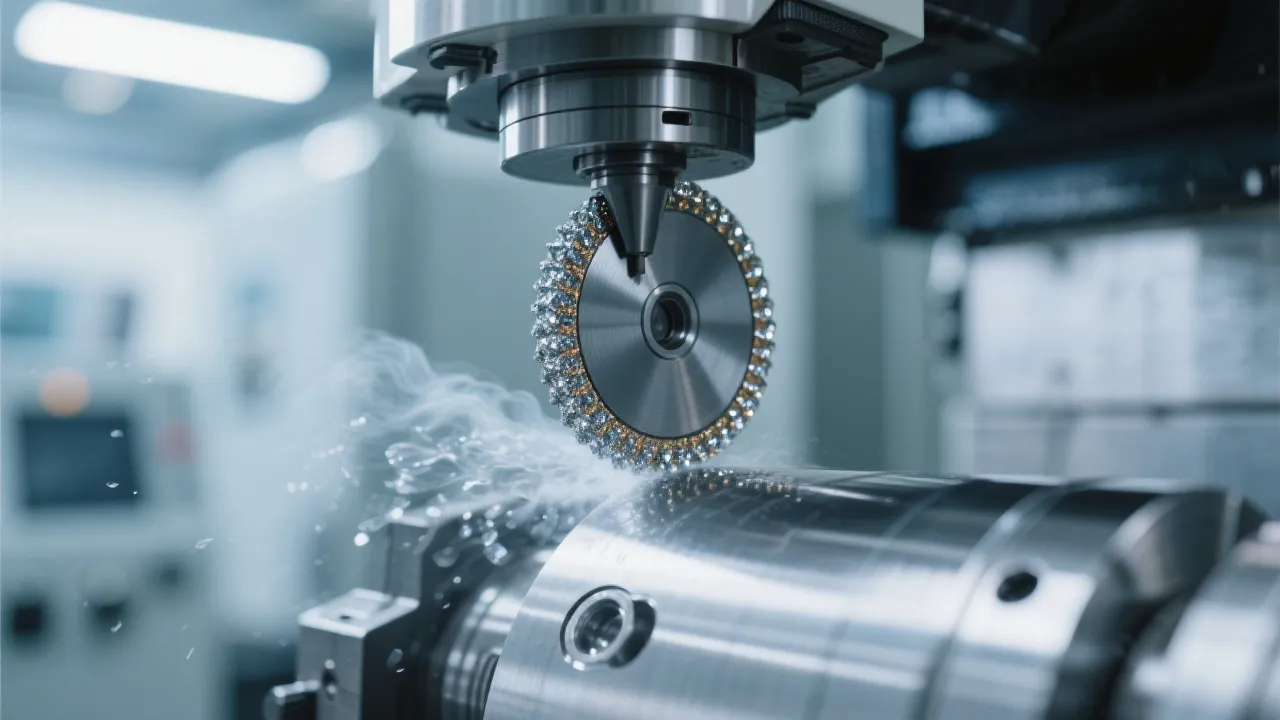
The quest for higher productivity and precision in machining ultra-hard materials such as gray cast iron, ductile iron, stainless steel, and hard alloys is increasingly dependent on innovations in grinding tools. Among these, soldered diamond grinding tools stand out by combining state-of-the-art soldering processes with premium diamond abrasive grains to deliver exceptional grinding efficiency and durability. This article explores the core technologies behind soldered diamond tools, their multifaceted applications, and how they empower manufacturers to elevate both output quality and operational safety.
Designed specifically for ultra-hard material processing, soldered diamond grinding tools are engineered to meet the escalating demands of modern industries. The research and development approach integrates metallurgical expertise with precision engineering to optimize the bond strength between diamond grains and the metallurgical matrix. This ensures maximal retention of diamond abrasives during high-stress grinding, minimizing premature tool wear and downtime.
Unlike conventional brazing or electroplating, the soldering technique employed involves a scientifically controlled thermal cycle that unites diamond particles firmly with the substrate at the microstructural level. This results in a grinding tool that maintains optimal abrasive exposure throughout its lifecycle.
Furthermore, the precise arrangement of high-quality synthetic diamond grains in uniform patterns enhances cutting action, ensuring consistent surface finish and reducing grinding forces by up to 15% compared to competing methods.
| Material | Grinding Efficiency Increase | Tool Life Extension | Surface Finish Improvement (Ra) |
|---|---|---|---|
| Gray Cast Iron | +25% | 2.2x | -15% |
| Ductile Iron | +28% | 2.0x | -18% |
| Stainless Steel | +20% | 1.8x | -12% |
| Hard Alloy (Carbide) | +30% | 2.5x | -20% |
Extensive field testing affirms the outstanding versatility of soldered diamond grinding tools. For example, in grinding gray cast iron components, users experienced a 25% boost in material removal rate coupled with more than doubling cutting wheel lifespan. In finishing high-chromium stainless steel parts, surface roughness decreased by 12%, enhancing component fatigue life.
Such benchmark data concretely showcases the product’s potential to minimize operational costs while enhancing part quality in a wide range of industrial applications.
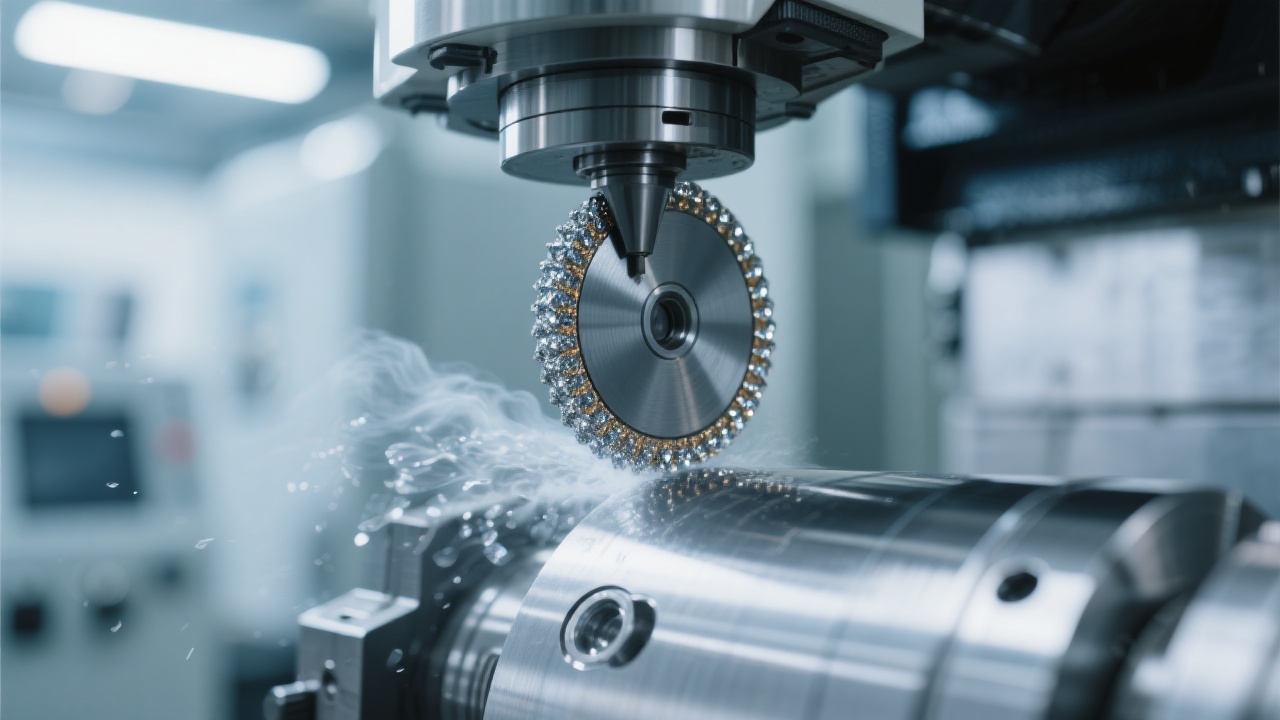
The innovative soldering method facilitates exceptional bond strength between metallic substrate and diamond grains, resulting in superior resistance against dynamic grinding impacts and thermal stresses. The reinforced core design ensures dimensional stability during high-speed rotation exceeding 60 m/s, meeting international safety standards such as ISO 9001 and OHSAS 18001.
These features collectively reduce the risk of catastrophic tool failure and contribute to enhanced workplace safety.
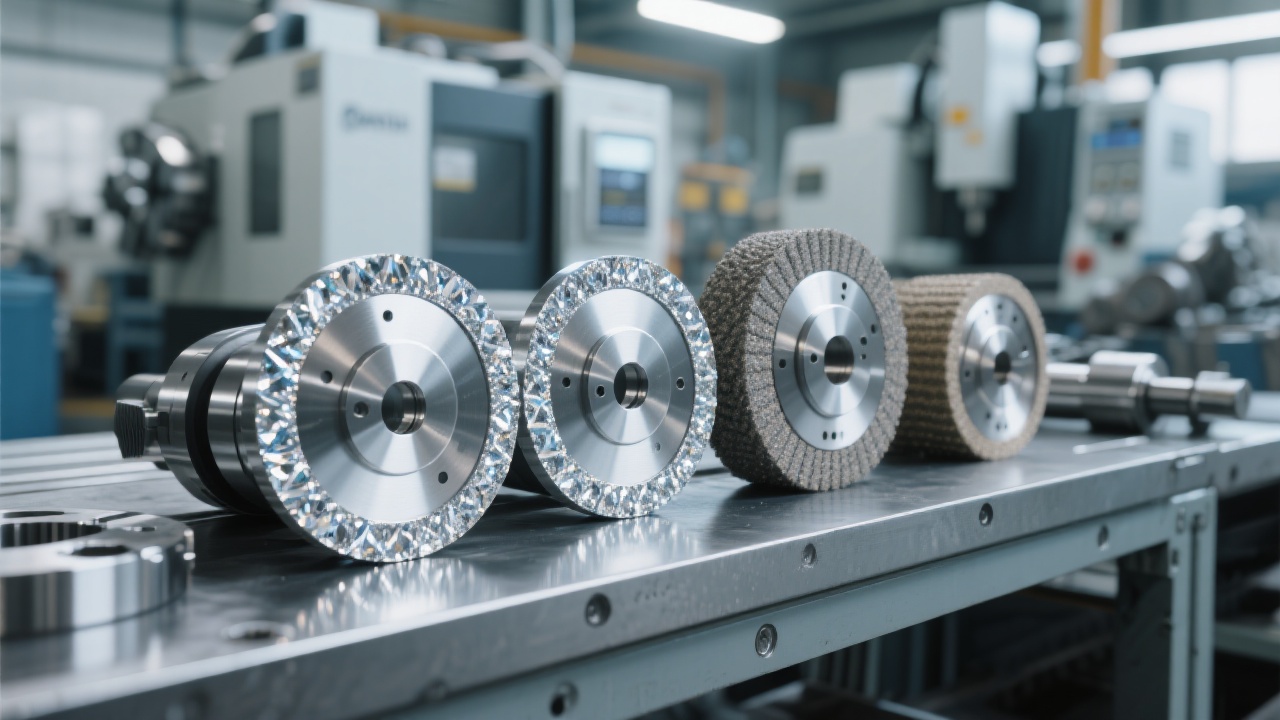
Multiple client deployments demonstrate reliable performance under harsh industrial conditions. For instance, a leading automotive parts manufacturer reported zero incidents of tool breakage over 12 months, paired with a 30% reduction in grinding cycle times. This validates the tool’s sustainable operation and contributes directly to increased throughput and profitability.
“Switching to soldered diamond grinding tools transformed our machining efficiency and safety standards simultaneously. The extended tool life and consistent surface quality significantly improved our production yields.” – John M., Production Manager, Automotive Components
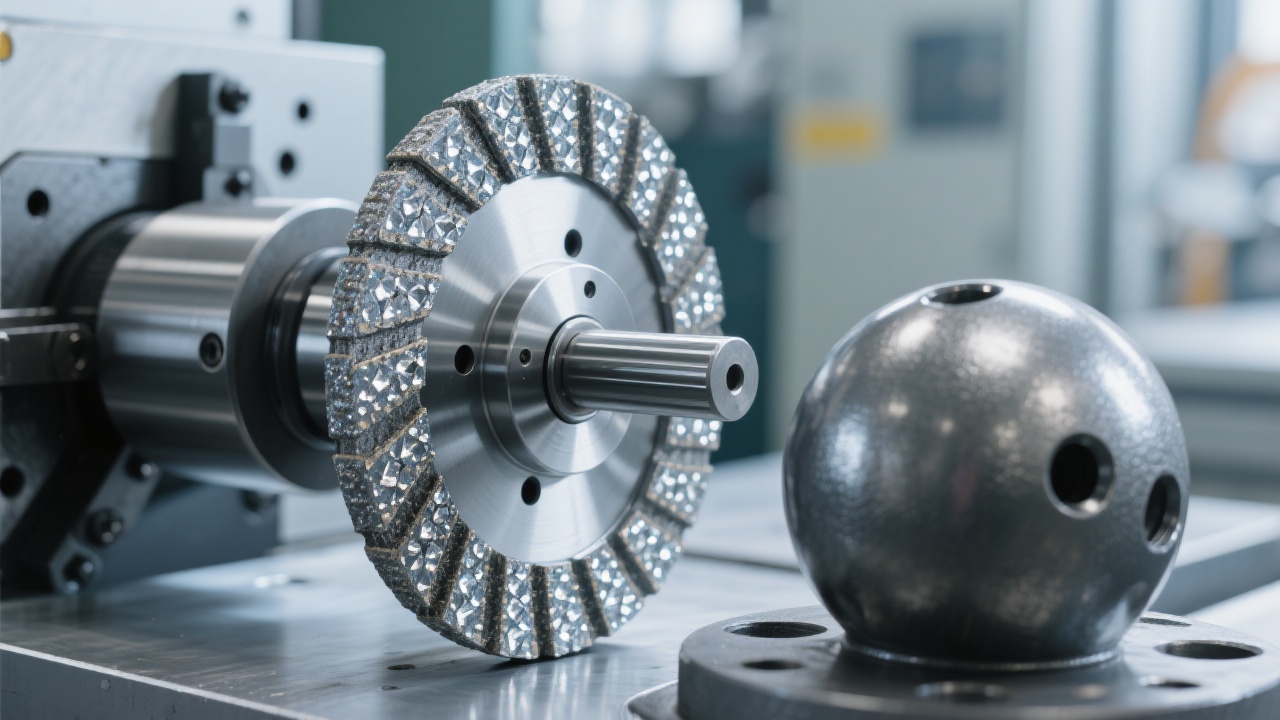
Soldered diamond grinding tools marry durability, precision, and safety, making them indispensable for modern machining challenges. Their consistent grinding efficiency and enhanced abrasion resistance directly reduce production costs while enabling tighter tolerances on complex geometries. Looking forward, developments in nanostructured diamond coatings and AI-driven process optimization promise to elevate these benefits further, promoting smarter, greener manufacturing.
When selecting soldered diamond grinding wheels, consider material compatibility, required surface finish, and machine spindle speed. Regular inspection of diamond wear patterns and maintaining appropriate coolant flow are essential to preserve tool longevity and ensure optimal grinding stability.
Embracing these tools with informed operational strategies is key to unlocking their full productivity potential.