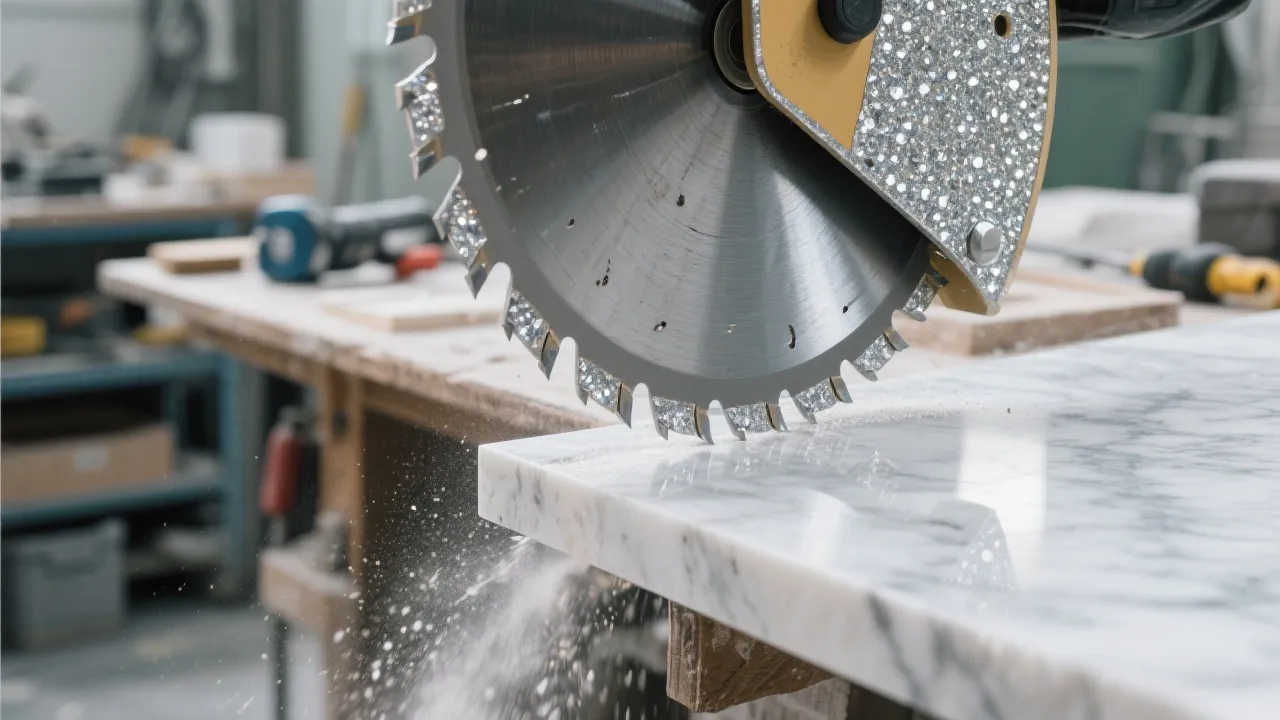
Brazed Diamond Grinding Discs: Application Guide and Technical Advantages for Hard Material Finishing
16 02,2026
UHD
Technical knowledge
Brazed diamond grinding discs deliver reliable, high-efficiency stock removal and stable finishing across a wide range of hard materials, including gray cast iron, ductile iron, stone, glass, and technical ceramics. This guide explains how material properties influence grinding behavior (heat generation, brittleness, chip formation, and surface integrity) and provides practical selection logic for common disc sizes (100–180 mm) and flat vs. contoured profiles to match complex shop-floor conditions. It also breaks down the technical benefits of brazing—strong diamond retention, improved wear resistance, reduced segment loss risk, and consistent performance during continuous operation—supporting longer tool life and safer processing. Verified application notes and field-proven selection principles are included to help engineers and procurement teams standardize multi-material grinding solutions quickly. Choose Youde to choose an efficient, durable, and safe industrial machining tool.
Brazed Diamond Grinding Discs: A Practical Guide for Hard-Material Grinding
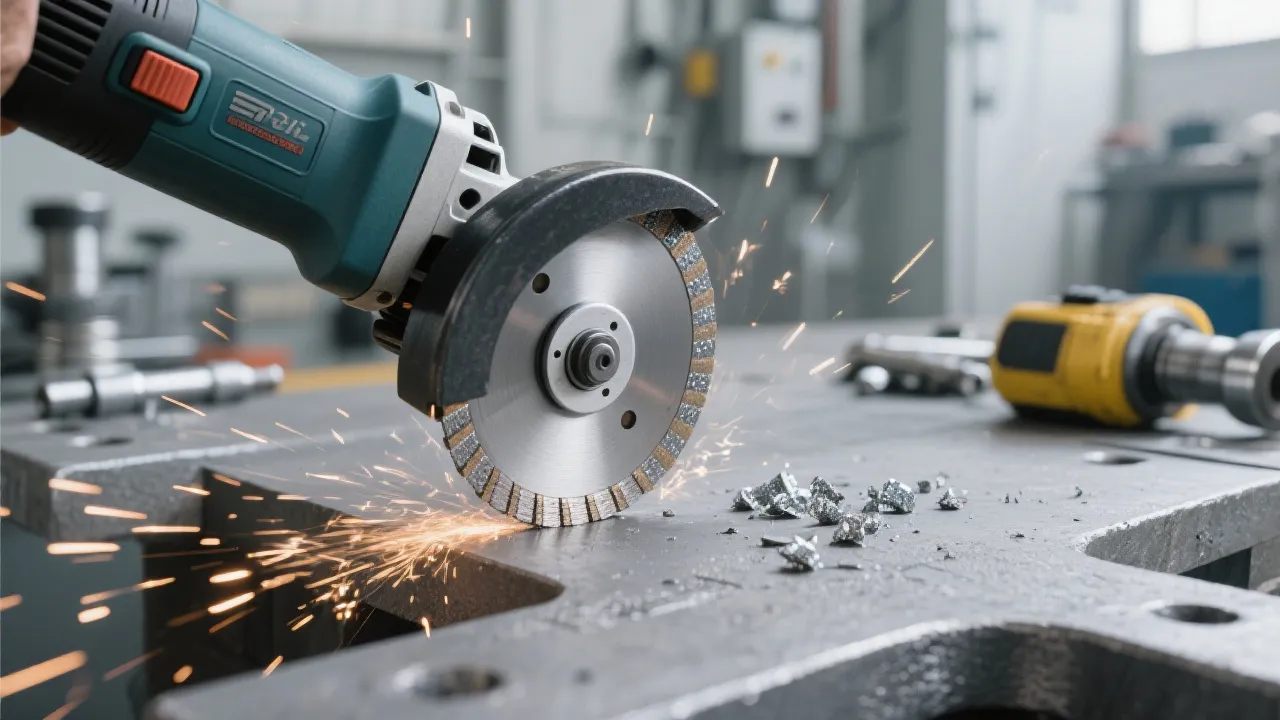
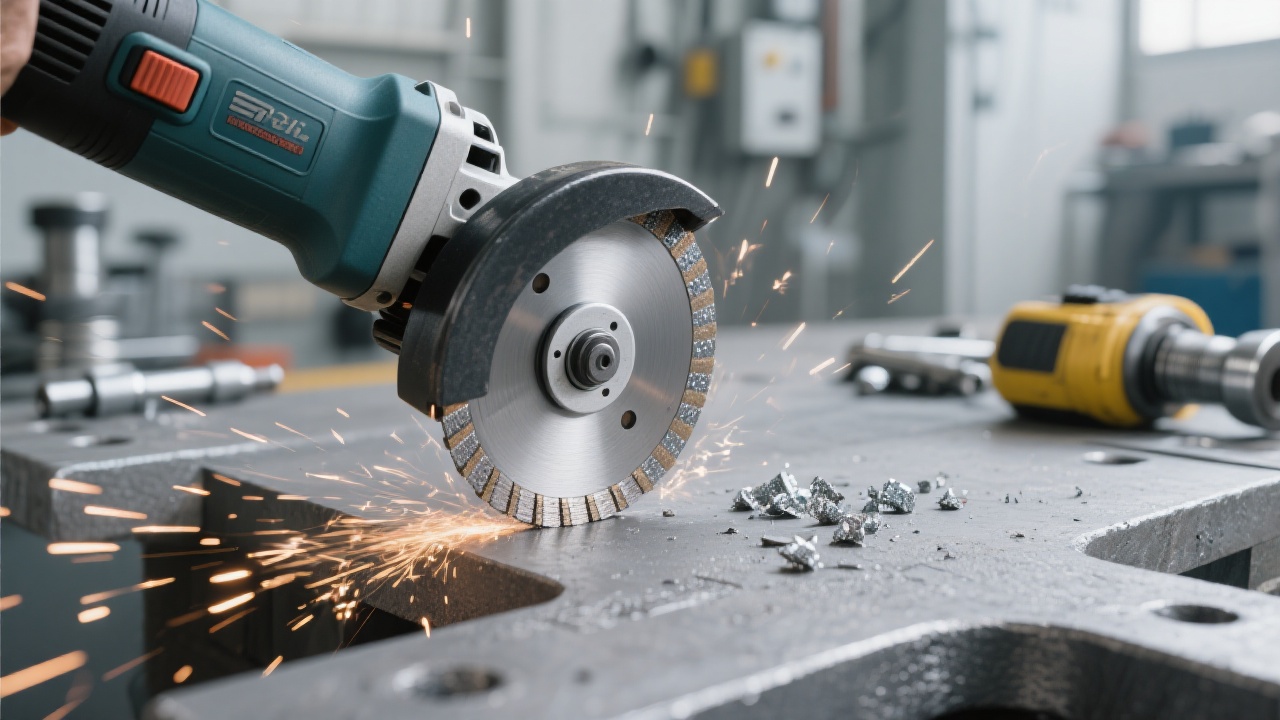
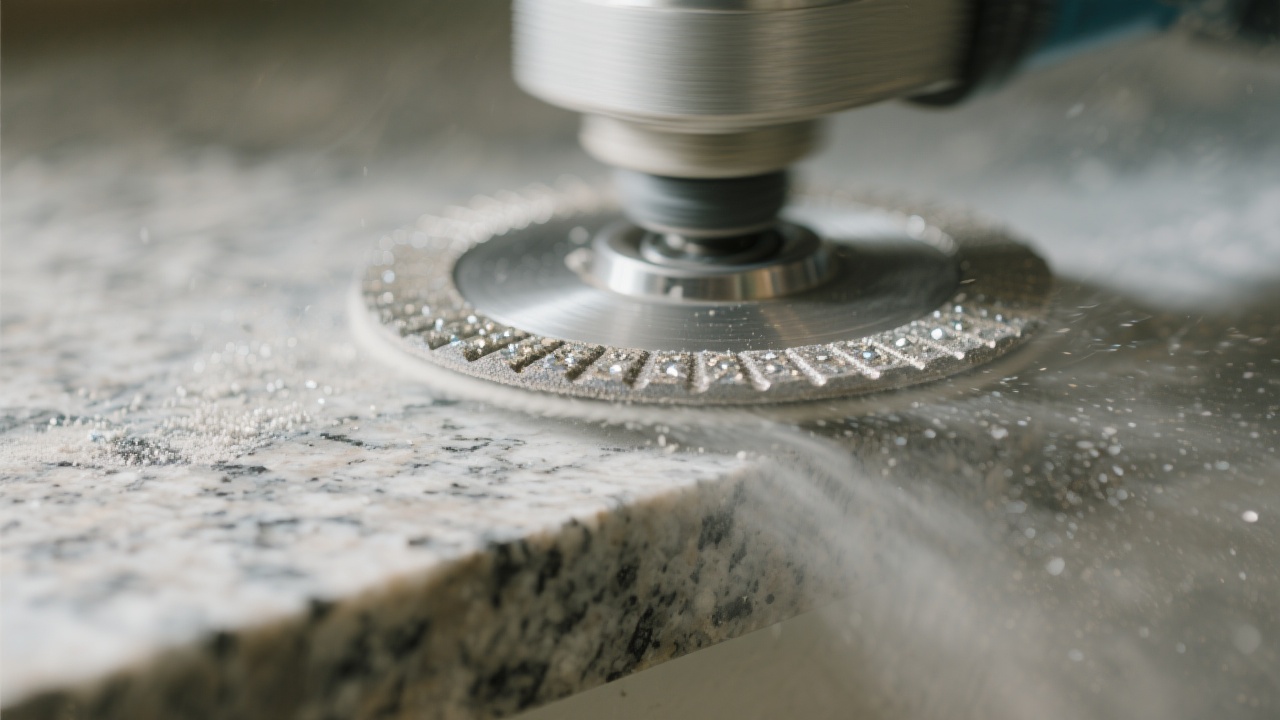
Brazed diamond grinding discs have become a go-to solution for workshops that face “mixed-material reality”: gray iron castings in the morning, ductile iron gates at noon, and stone, glass, or ceramic finishing before shift end. When used correctly, they deliver fast stock removal, stable cutting action, and predictable disc life—while reducing the risk of sudden glazing and excessive heat common with conventional abrasives.
Marketing note (for decision-makers): Choosing Youde means choosing an efficient, durable, and safe industrial processing tool.
Where Brazed Diamond Discs Fit Best (and Why They Often Outperform)
The key advantage of a brazed diamond disc is the strong metallurgical bond between diamond grit and the steel body. Instead of relying on resin wear to expose new abrasives, brazing keeps abrasive grains anchored, enabling more aggressive grinding on hard and brittle materials. In real production lines, this typically translates to:
Higher cutting efficiency on stone/ceramic/glass and many cast irons
More consistent performance in continuous operation
Lower risk of disc “burning” the work when parameters are controlled
Reduced disc failure risk vs. poorly matched abrasive wheels in tough jobs
Typical industrial users include foundries, stone fabrication plants, sanitary ceramics manufacturers, glass processing workshops, and maintenance teams handling hard deposits or difficult surfaces.
Material Behavior: What Changes When You Grind Gray Iron, Ductile Iron, Stone, Glass, and Ceramics
Selecting a brazed diamond disc is not only about “hardness”. The real differentiators are brittleness, thermal sensitivity, micro-structure, and how the surface reacts to heat and vibration. Below is a field-oriented overview to help engineers and buyers align disc specs with real shop-floor outcomes.
Material
Typical Hardness (reference)
Grinding Challenge
What Brazed Diamond Helps With
Gray Cast Iron
~180–260 HB
Abrasive graphite; dust; edge chipping on thin sections
Fast burr removal; stable bite; less frequent wheel changes
Ductile (Nodular) Iron
~170–300 HB
Tougher matrix; can load conventional abrasives
Consistent cutting under pressure; less glazing in long runs
Stone (Granite / Engineered Stone)
Mohs ~6–7
High hardness + brittleness; micro-cracks from vibration
Aggressive grinding with better edge control; smoother transitions
Clean cutting with reduced chatter; better control on edges
Ceramics (Alumina / Porcelain)
Mohs ~7–9
Very brittle; sensitive to heat spots; strict defect tolerance
Controlled stock removal; predictable tool behavior for precision finishing
Practical note: if the process involves non-ferrous metals or stainless steel, buyers often ask whether diamond is appropriate. In most cases, stainless is better served by quality ceramic/aluminum oxide solutions, while diamond discs are prioritized for cast irons and hard brittle materials. If stainless grinding is unavoidable in a mixed line, specify the application clearly to avoid premature loading and heat issues.
How to Choose Disc Diameter (100–180mm) and Surface Geometry (Flat vs. Curved)
In procurement, “same disc, different size” can mean very different productivity. Between 100mm and 180mm, the goal is to match access, rigidity, and heat control to the job—not just to maximize coverage.
Diameter selection logic
100–115mm: best for tight corners, small castings, edge dressing, glass/ceramic detail work.
125mm: the “general-purpose” size for mixed tasks; good balance between control and removal rate.
150mm: more coverage for flat surfaces, countertop seams, and large gate removal on cast iron.
180mm: chosen for maximum productivity on broad areas; requires stable handling and proper guarding.
Flat vs. curved (profiled) disc
Flat surface: ideal for planar grinding, deburring on flat gates, leveling stone/ceramic surfaces.
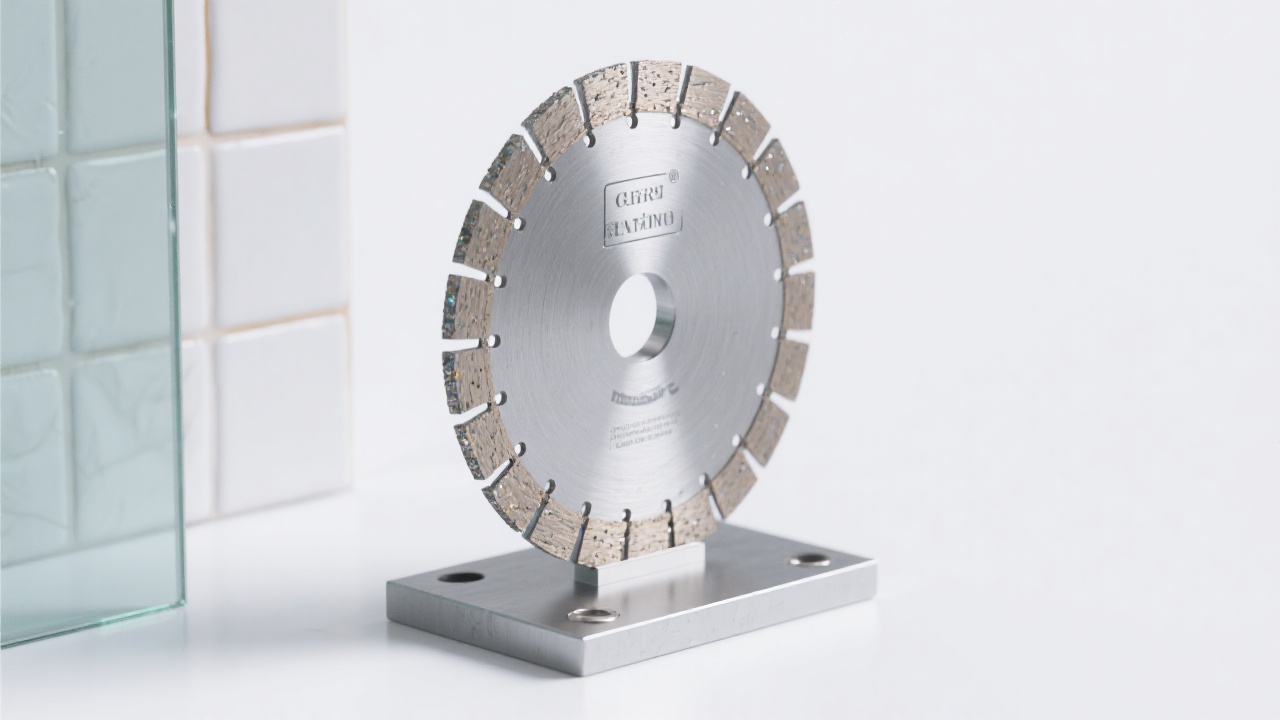
Curved / profiled surface: preferred for fillets, concave transitions, radii blending, and complex casting contours.
Rule of thumb: if surface contact needs to “float” to avoid gouging, a profiled disc often yields better control.
The brazing layer locks diamond particles more firmly than many conventional bonding methods, so each grit is more likely to “work” rather than pull out early. For operations that cannot afford frequent tool changes, this is a measurable advantage.
Typical performance references (shop-floor range)
Under comparable removal targets on hard, brittle materials, brazed diamond discs commonly deliver 2–6× tool life versus standard abrasive discs, while maintaining a more consistent cut. In continuous grinding, users often report 15–35% shorter cycle time due to fewer wheel changes and less performance drop-off.
Note: actual results depend on grit size, RPM, contact pressure, coolant/dust extraction, and operator technique.
Stability and safety in long runs
Reduced sudden performance collapse: less “it was cutting, then it wasn’t”.
Lower thermal spikes: more consistent cutting reduces rubbing and overheating.
Better control at edges: especially important for glass/ceramics and stone polishing prep.
Field-Verified Use Cases: What Buyers Typically Validate Before Scaling
Before switching an entire line, most industrial buyers run a controlled validation: same operator, same workpiece batch, fixed removal target, and a simple record of tool changes and surface outcomes. Below are common verification patterns seen in real procurement cycles.
Scenario
Target
Disc Setup (example)
Commonly Observed Outcome (reference)
Gray iron casting gate removal
Fast burr & gate blending
125–150mm, flat
Fewer disc changes; more stable bite; cleaner transition lines
Ductile iron surface conditioning
Consistency over long runs
150mm, profiled
Reduced glazing vs. conventional wheels; steady removal rates
Stone seam leveling (granite/quartz)
Flatness + speed
180mm, flat
Higher coverage; lower rework; improved process rhythm
Ceramic edge refinement
Chip control
100–115mm, profiled
Cleaner edges with fewer micro-chips when vibration is controlled
FAQ: What Engineers and Buyers Ask Most Often
1) How do I choose grit level for coarse removal vs. finer finishing?
For aggressive stock removal on cast iron or stone leveling, buyers often start around 30/40 to 40/50 grit. For refinement steps (especially on ceramics/glass edges), 60/80 to 100/120 grit is common. The best practice is a two-step approach: remove fast with coarse, then control surface quality with finer.
2) Can one disc handle both cast iron and brittle materials like ceramic?
It can, but performance is better when the disc is matched to the dominant workload. Cast iron tends to favor sustained cutting and chip evacuation; ceramics demand vibration control and edge integrity. If the line truly runs mixed materials daily, many plants keep two discs (a productivity disc and a precision disc) to protect quality and avoid unpredictable results.
3) Why does the disc feel “hot” even when it cuts fast?
Heat often comes from excessive contact area, too much pressure, or insufficient dust extraction—leading to rubbing rather than cutting. Switching to a slightly different profile, reducing pressure, and stabilizing the workpiece typically lowers heat more than simply reducing RPM.
4) What should procurement include in an RFQ to avoid wrong selection?
Include material type, process step (gate removal, leveling, edge dressing), disc diameter preference (100–180mm), machine RPM range, dry/wet conditions, target surface expectation, and any common failure mode (chipping, glazing, vibration marks). This short list dramatically improves first-sample hit rate.
Ready to Upgrade Multi-Material Grinding Efficiency?
If your team needs a brazed diamond grinding solution that stays sharp, runs steady, and fits real workshop constraints, it’s time to align disc size, profile, and grit with your actual materials and takt time.




.png?x-oss-process=image/resize,h_1000,m_lfit/format,webp)


.png?x-oss-process=image/resize,h_1000,m_lfit/format,webp)